

If you’ve invested in veneers, you might be wondering: “Can I still enjoy my morning coffee? Will biting into an apple damage them?” These are common concerns, and they’re valid. Veneers represent a significant investment in your smile, and naturally, you want to protect that investment for as long as possible.
The relationship between veneers and everyday habits is more important than many people realise. From what you eat and drink to how you brush your teeth, the choices you make each day directly influence how long your veneers will last. While veneers are designed to be durable, they’re not indestructible, and certain habits can significantly extend or shorten their lifespan.
The encouraging news is that veneers can last 10 to 20 years or more with proper care, though this timeline varies considerably between individuals. The determining factor isn’t just the quality of the veneers themselves or the skill of your dentist—it’s how you care for them through your daily routines. In this guide, we’ll walk through practical steps to maximise veneer longevity, from adjusting your diet to refining your oral hygiene routine.
Contents Navigation
- Summary of the Content:
- Veneer Longevity: What You Can Expect
- The Impact of Your Diet on Veneer Durability
- Oral Hygiene Practices That Protect Your Veneers
- Lifestyle Habits That Can Damage Veneers
- Maintaining Veneers: Professional Care Requirements
- Common Concerns About Long-Term Veneer Health
- Final Thoughts
Summary of the Content:
- Veneers typically last 10 to 20 years, with porcelain veneers lasting longer than composite veneers, though individual outcomes vary.
- Acidic foods, hard or crunchy items, and staining beverages can compromise veneer bonding and appearance, requiring dietary modifications such as cutting hard foods.
- Proper oral hygiene includes using soft-bristle brushes, non-abrasive toothpaste, slow circular motions, and daily flossing to protect veneer margins and prevent gum recession.
- Lifestyle habits such as teeth grinding, nail biting, smoking, and using teeth as tools can damage veneers, with night guards recommended for bruxism protection.
- Professional dental visits every six months allow early detection of wear, bonding issues, or margin problems before they require veneer replacement.
- Teeth don’t rot under properly maintained veneers, but poor hygiene or compromised seals can allow decay at margins.
- Veneer placement is irreversible because enamel removal cannot be undone, requiring ongoing restorative work to protect the prepared teeth.
Veneer Longevity: What You Can Expect
Veneer longevity depends on several interconnected factors, and understanding these helps set realistic expectations. Porcelain veneers typically last between 10 and 20 years, whilst composite veneers may need replacement sooner, often within five to seven years. These timeframes aren’t definite; they’re averages based on how well veneers are maintained and how each patient cares for them.
Material choice plays a significant role. Porcelain veneers are more resistant to staining and wear compared to composite resin alternatives. Porcelain’s durability comes from its ceramic composition, which closely mimics the hardness and translucency of natural tooth enamel. Composite veneers, whilst more cost-effective and quicker to place, are softer and more prone to discolouration over time.
However, even a high-quality porcelain veneer won’t reach its potential lifespan without proper care. Individual variation is substantial—two people with identical veneers from the same dentist can experience vastly different outcomes based solely on their daily habits. Your diet, oral hygiene routine, and lifestyle choices all contribute to whether your veneers remain intact and attractive for 10 years or need attention much sooner. Understanding veneer longevity requires recognising that veneers and everyday habits work together to determine how long your investment lasts.
Individual results vary depending on your specific circumstances.
How Long Do Porcelain Veneers Typically Last?
The lifespan of a porcelain veneer typically ranges from 10 to 20 years. Many patients experience results towards the longer end of this spectrum when they follow recommended long-term veneer care practices. Some veneers have been reported to last 25 years or more, though this isn’t typical and depends on proper care combined with favourable individual factors.
Several factors influence how long your veneers will last. The bonding quality between the veneer and your natural tooth is crucial, and strong adhesion means the veneer remains secure and functions properly. Your bite pattern matters too; uneven pressure from grinding or clenching can cause veneers to chip or crack prematurely. The thickness of the veneer and the amount of natural tooth structure remaining after preparation also affect durability. Factors affecting porcelain veneer lifespan include your natural oral environment, saliva composition, and pH levels, all of which influence how the bonding material holds up over time.
Your natural oral environment, including saliva composition and pH, can influence how well the bonding material holds over time. Genetic factors affecting enamel strength, your tendency to grind your teeth, and even your overall health can all play a role. This is why some people enjoy problem-free veneers for two decades, whilst others may notice issues developing after 8 or 10 years, despite receiving similar initial results.
What Happens to Veneers as They Age?
As veneers age for 10 or more years, gradual changes occur as part of the natural wear process. The porcelain itself remains relatively stable, but you may notice subtle shifts in how the veneers look and feel. Slight wear along the biting edges can occur from years of chewing, particularly if you favour certain teeth when eating or tend to grind at night.
The margins, where the veneer meets your natural tooth, are the most vulnerable areas as veneers age. Over time, you might see minor discolouration appearing along these edges, especially if oral hygiene has been inconsistent. This happens because the bonding cement at the margin can absorb stains from foods and beverages, or because slight gaps develop that allow pigments to seep in. The porcelain surface typically resists staining well, but the junction between materials can show age.
Bonding integrity may also gradually weaken. The adhesive that holds your veneer in place is strong, but temperature changes, along with the natural expansion and contraction of dental materials, can affect this bond. This doesn’t mean veneers will suddenly fall off after a certain number of years, as debonding is usually a slow process. Regular dental check-ups allow your dentist to monitor the bonding and address any concerns before they become problems. The ageing timeline varies significantly from person to person, largely depending on veneers and everyday habits over those years.
The Impact of Your Diet on Veneer Durability
What you eat and drink directly affects how long your veneers remain in optimal condition. Whilst veneers are designed to withstand the normal forces of chewing and can handle most foods you enjoy, certain dietary choices can accelerate wear or compromise the bonding that keeps veneers attached to your teeth.
The key is balance. Veneers are designed to function like natural teeth, and you can eat normally with reasonable care and awareness. Understanding which foods pose higher risks helps you make informed choices. These minor adjustments protect your investment without requiring overly restrictive lifestyle changes.
Foods and Drinks That Can Shorten Veneer Lifespan
Veneer maintenance care includes being mindful of what you eat. Certain foods can compromise your veneers through physical force, chemical wear, or staining. Here’s what to watch for:
- Hard foods:
Items like ice, hard lollies, popcorn kernels, and nutshells can crack porcelain with sudden force. Even crusty bread or hard biscuits may apply excessive pressure if you bite down at the wrong angle. Your veneers are durable, but they’re not designed to withstand the impact of very hard foods. - Sticky, chewy textures:
Toffee, caramel, and similar sticky foods can pull at veneer edges, potentially weakening the bond over time. Whilst an occasional indulgence is unlikely to cause problems, frequent consumption increases this risk. Your dentist can advise you on enjoying these treats more carefully. - Whole hard fruits and vegetables:
Biting into whole apples, pears, or raw carrots with your front teeth applies repeated pressure that veneers may not handle well over the long term. Cutting these foods into smaller pieces before eating helps protect your veneers while still allowing you to enjoy them. - Acidic foods and drinks:
Citrus fruits and juices, fizzy drinks, sports drinks, and wine all have low pH levels that can weaken the cement holding veneers in place. The acidity doesn’t damage the porcelain itself, but it affects the bonding material. Rinsing with water after consuming acidic items can help reduce this effect. - Staining beverages:
Coffee and tea contain tannins that may stain the natural tooth structure visible at veneer margins. Over time, this can create a noticeable line if you consume these beverages frequently. Rinsing your mouth with water afterwards helps minimise staining whilst still allowing you to enjoy your favourite drinks.
What to Consider When Eating with Veneers
Eating with veneers requires certain modifications, though these adjustments quickly become second nature. The goal is to enjoy your meals whilst being mindful of how you use your teeth. Many patients find that after an initial adjustment period, these considerations feel automatic rather than restrictive.
When consuming acidic drinks, using a straw positions the liquid towards the back of your mouth, reducing contact with your front teeth. After eating acidic foods, rinsing your mouth with plain water helps neutralise pH levels and wash away residue before it can affect the bonding material. Waiting 30 minutes before brushing after acidic foods is also wise, as brushing immediately can damage softened enamel or cement.
For hard foods, cutting them into smaller pieces before eating removes the need to bite down forcefully with your front teeth. This applies to apples, crusty bread, raw vegetables, and even pizza with a particularly firm crust. Eating with veneers becomes easier when you use your back teeth for chewing. This distributes the force more evenly and protects the veneers on your front teeth, which are typically the ones most people invest in.
Mindful chewing means paying attention to how you bite and avoiding using your teeth as tools. No tearing open packages, biting fingernails, or holding items in your mouth. Successfully eating with veneers over the long term means developing these habits early. Dietary tolerance varies among patients, depending on factors such as bite alignment, veneer thickness, and individual chewing patterns. Your dentist can provide personalised guidance on which foods to approach with extra caution based on your unique situation, helping you navigate eating with veneers more easily.
Oral Hygiene Practices That Protect Your Veneers
Oral hygiene for veneers shares many principles with caring for natural teeth, but with some important distinctions. The materials used in veneers respond differently to certain products and techniques, and the margins where veneers meet natural teeth require special attention to prevent decay or gum recession that could compromise the veneer’s stability. Understanding proper oral hygiene for veneers helps maximise their longevity.
The Right Way to Brush Teeth with Veneers
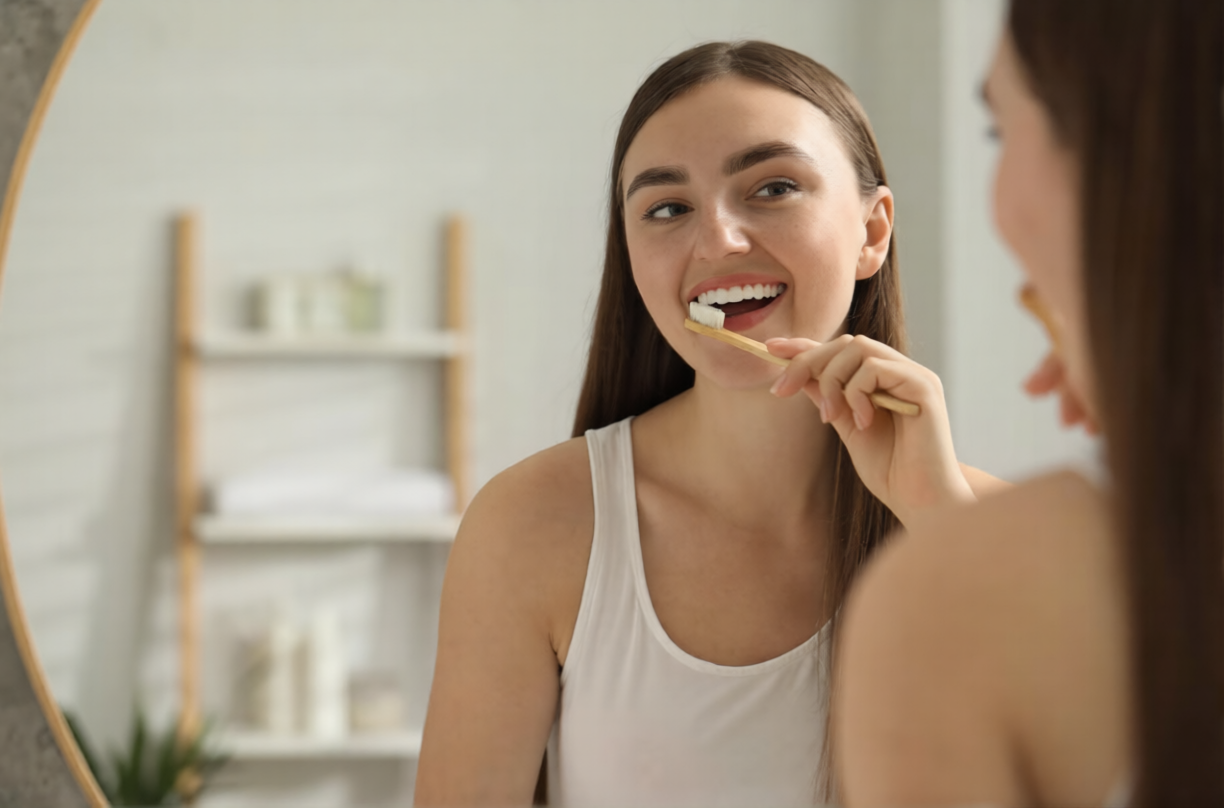
Proper brushing technique is the foundation of veneer maintenance care. These tips can help you clean your veneers effectively whilst protecting their surface and longevity:
- Choose a soft-bristled toothbrush:
Medium- or hard-bristled brushes can scratch porcelain and may irritate your gums, potentially causing recession around the veneers. Soft bristles clean effectively without causing damage. - Consider an electric toothbrush with pressure sensors:
These devices alert you when you’re applying too much force, helping you maintain the gentle touch that veneers require. - Select non-abrasive toothpaste:
Look for products labelled as low-abrasion or designed for sensitive teeth. These clean effectively without damaging the porcelain glaze. - Avoid whitening toothpastes:
These often contain abrasive particles designed to polish natural teeth, which can damage the smooth surface of your veneers over time. - Use slow, circular motions:
Brush gently rather than scrubbing vigorously. Circular motions clean more thoroughly than aggressive back-and-forth movements whilst protecting the veneer surface. - Hold your brush at a 45-degree angle:
Position the bristles at the gum line to clean the margins where veneers meet your gums. This area requires particular attention to prevent plaque buildup. - Brush for two minutes, twice daily:
Set a timer or use an electric toothbrush with a built-in timer to help you brush for the recommended duration. This helps you clean all surfaces thoroughly without rushing. - Clean all tooth surfaces:
Brush the front, back, and chewing surfaces of each tooth. Don’t neglect the backs of veneers or your natural teeth. - Pay extra attention to veneer margins:
The edges where veneers meet your gums and the spaces between veneers are prone to plaque accumulation. Spend a few extra seconds cleaning these areas carefully.
Natural enamel is hard and can withstand vigorous brushing (though it’s not recommended), but the bonding cement at veneer margins is softer and more vulnerable to wear. Over-brushing can wear away this cement, creating tiny gaps where bacteria and stains can penetrate.
Why Daily Flossing Matters for Veneer Longevity
Flossing plays a crucial role in protecting the margins of your veneers and preventing gum recession, both of which directly affect how long veneers last. The margins, where the veneer edge meets your natural tooth, are the most vulnerable part of the restoration. Plaque that accumulates at these junctions can lead to inflammation and gum disease, resulting in recession that exposes the margin and compromises the veneer’s appearance and stability.
Proper flossing technique around veneers involves gently guiding the floss between teeth without snapping it against the gums, which can cause irritation. Slide the floss down one side of the tooth, curve it around the base in a C-shape, and gently move it up and down several times. Repeat on the adjacent tooth before moving to the next pair. This removes plaque and food debris that your toothbrush misses.
If you neglect flossing, plaque hardens into tartar (calculus) within 24 to 48 hours. Tartar can only be removed by professional cleaning, and its presence along the gum line irritates the tissues, causing them to pull away from the tooth. As gums recede, they expose more of the natural tooth structure and the edge of the veneer, creating an aesthetic issue and potentially weakening the bond.
Gum health affects long-term veneer stability because healthy gums provide structural support. If gum disease progresses, the bone supporting your teeth can deteriorate, which leads to loosening of the natural tooth beneath the veneer. Maintaining healthy gums through daily flossing helps maintain the foundation supporting your veneers, which remains strong for many years.
Lifestyle Habits That Can Damage Veneers
Beyond diet and oral hygiene, several lifestyle choices can compromise the integrity of veneers. These non-dietary habits often go unnoticed but can cause significant damage over time, sometimes even more than food-related factors. Understanding these risks helps you take steps to protect your veneers before problems develop. Here’s what to avoid:
- Teeth grinding and clenching (bruxism):
The repetitive force applied during grinding or clenching can crack porcelain or loosen the bonding over time. Many people grind their teeth during sleep without realising it. If you experience jaw pain, headaches, or worn teeth, speak with your dentist about a custom nightguard to protect your veneers whilst you sleep. - Nail biting:
This habit exerts harmful forces on veneers, placing stress they weren’t designed to withstand. The repeated pressure can chip porcelain or weaken the bond over time. Finding alternative stress-relief methods can help protect both your veneers and your natural nails. - Using teeth as tools:
Opening packages, tearing tags off clothing, or holding objects with your teeth can chip or crack veneers instantly. Whilst you might have done these things with your natural teeth without issue, veneers have specific limitations. A single instance can undo years of careful maintenance. Keep scissors or other proper tools handy to avoid the temptation. - Smoking and tobacco use:
Tobacco affects veneers through staining and gum health deterioration. Whilst porcelain surfaces resist nicotine stains better than natural teeth, the margins where veneers meet your tooth can discolour. Your dentist can discuss strategies to help reduce or quit tobacco use.
Some patients wonder, “Do veneers cause problems later in life?” The answer is typically no. Problems that develop years after veneer placement are usually related to how they’ve been cared for rather than the veneers themselves.
Teeth Grinding and Veneer Wear
Teeth grinding accelerates veneer deterioration by repeatedly exerting excessive force. Each grinding episode applies hundreds of pounds of pressure to your teeth, far exceeding the normal forces of chewing. Over time, this can cause several types of damage. This includes chipping along the edges, cracks that spiderweb through the porcelain, or loosening of the bonding material that holds the veneer in place.
Signs of grinding include waking with jaw pain or headaches, noticing unusual wear patterns on your teeth, or experiencing unexplained sensitivity. Your partner might report hearing grinding noises during the night. If you had a grinding habit before getting veneers, it’s especially important to address it proactively rather than waiting for damage to occur.
Night guards provide effective protection against grinding damage. These custom-fitted appliances create a barrier between your upper and lower teeth, absorbing and distributing the grinding forces so your veneers don’t bear the full impact. Over-the-counter guards are available, but custom guards made by your dentist fit better and offer maximum protection. Wearing a night guard consistently is one of the most effective ways to extend the longevity of your veneers if you grind your teeth at night.
Porcelain, whilst very hard, is also brittle. It can withstand normal chewing forces well, but cracks under the extreme, repetitive pressure of grinding. Natural enamel has some flexibility, but porcelain doesn’t, making it more likely to fracture under sustained stress. Prevention strategies include stress management (since stress often triggers grinding), avoiding caffeine in the evening, and professional interventions. This includes night guards or, in severe cases, a discussion about whether muscle relaxants might be appropriate.
The Effect of Smoking on Veneer Appearance
Smoking primarily affects veneers through staining and its detrimental effects on gum health. Whilst the porcelain surface of veneers resists nicotine and tar stains more effectively than natural teeth, the margins, where the veneer meets your natural tooth, are vulnerable. The bonding cement and any exposed natural tooth structure can absorb stains, creating a yellowish or brownish line around the veneer edge that becomes noticeable over time.
Gum recession is another significant concern for smokers with veneers. Tobacco use restricts blood flow to the gums, impairing their ability to fight infection and heal. This makes you more susceptible to gum disease, which causes the gums to pull away from the teeth. As gums recede, they expose more of the veneer margin and the natural tooth underneath, creating both cosmetic and functional problems. The exposed margin is more prone to staining, and the weakened gum support can eventually affect the stability of the tooth supporting the veneer.
The nicotine and tar in tobacco products also create an environment in your mouth that promotes bacterial growth and plaque formation. This accelerates gum disease progression and increases your risk of decay around the veneer margins. Quitting smoking is one of the most beneficial steps you can take for your overall oral health and for preserving your veneers in the long term. If quitting isn’t immediately possible, meticulous oral hygiene and more frequent professional cleanings can help minimise the damage, though they can’t eliminate the risks entirely.
Maintaining Veneers: Professional Care Requirements
Regular dental visits play a vital role in extending the lifespan of porcelain veneers. Whilst your everyday care habits are crucial, professional monitoring and cleaning address issues that you can’t manage at home. Your dentist can detect early signs of problems, such as minor chips, staining at margins, or weakening bonds, before they become serious enough to require veneer replacement.
Most dental professionals recommend check-ups every six months for patients with veneers, though some individuals may need more frequent visits depending on their oral health status and risk factors. During these appointments, your dentist examines your veneers for any signs of wear, damage, or debonding. They check the margins to confirm there are no gaps and assess your gum health around the veneers.
Professional cleaning removes tartar buildup that regular brushing and flossing miss. This is particularly important around veneer margins, where tartar can cause gum irritation and recession. Dentists trained in caring for veneers use appropriate techniques and tools that clean effectively without scratching or damaging the porcelain surface. They can also polish your veneers to maintain their lustre.
Proactive maintenance, addressing small issues during routine visits, is far more effective than waiting until something goes wrong. A small chip noticed during a check-up might be polished smooth, preventing it from growing larger. Slight staining at the margin can sometimes be cleaned or improved before it becomes a significant cosmetic concern.
This preventive approach often keeps both your veneers and your budget in the long run, as minor interventions are simpler and less costly than replacing damaged veneers. Individual needs vary, and your dentist can tailor a veneer maintenance care schedule to your specific situation, oral hygiene habits, and any risk factors.
Common Concerns About Long-Term Veneer Health
Many people considering veneers or who already have them wonder about what happens to the natural teeth underneath and what the long-term outlook really looks like. These concerns are understandable, since veneers require some alteration of your natural tooth structure, and it’s natural to wonder how this affects your teeth over time.
Do Teeth Rot Under Veneers?
Teeth don’t rot under veneers simply because they have veneers. Decay develops when oral hygiene is inadequate or when the seal between the veneer and the tooth is compromised. The veneer itself acts as a protective covering for the front surface of the tooth, but the areas not covered by the veneer remain vulnerable to decay if you don’t maintain proper oral care.
The margins, where the veneer edge meets your tooth, are the most critical areas for preventing decay. If plaque accumulates along these margins and isn’t removed by regular brushing and flossing, it can lead to decay at the junction. This is why oral hygiene for veneers emphasises thorough cleaning of the gum line and margins. Regular dental check-ups allow your dentist to examine these areas with special tools and identify any developing issues before they progress.
Can You Return to Natural Teeth After Veneers?
Returning to natural teeth after veneers isn’t typically possible in the way many people hope. Veneer placement involves removing a thin layer of enamel from the front surface of your teeth to create space for the veneer and offer a proper fit. This removal is usually between 0.5mm and 1mm of tooth structure. This may sound minimal, but it’s enough for the prepared tooth to not function normally without some form of restoration.
The irreversible nature of tooth preparation means you’re making a long-term commitment when you choose veneers. Once enamel is removed, it doesn’t grow back. Your teeth will always need some type of covering.
If veneers fail or need replacement, several options are available depending on the condition of the natural tooth beneath. In many cases, new veneers can be bonded to the same prepared tooth. If significant time has passed or decay has developed, the tooth might need a crown instead, which covers a larger portion of the tooth surface. In rare cases where the tooth structure is severely compromised, more extensive dental work might be necessary.
Final Thoughts
Your daily habits are the primary factor determining how long your veneers last. Whilst the initial quality of the veneers and the dentist’s skills matter, the long-term veneer care you provide makes the real difference. Minor lifestyle adjustments today can protect you from more significant concerns down the track. These small, consistent efforts compound over time, just as the daily habits do.
Veneers are durable restorations designed to withstand normal wear and tear, but they require thoughtful care. The lifestyle adjustments, such as being mindful about hard foods, maintaining proper oral hygiene, protecting against grinding, and attending regular dental check-ups, aren’t overly restrictive. They’re reasonable modifications that become routine with time and protect a significant investment in your smile.
If you’re considering veneers or already have them and want personalised guidance about caring for your specific situation, professional advice is invaluable. Every person’s mouth is different, and factors like your bite, grinding habits, and dietary preferences all influence the long-term care of your veneers.
Contact Enso Dental North Perth to schedule a consultation to discuss your individual veneer maintenance care needs. Our team can assess your current oral health, answer your specific questions, and develop a care plan tailored to help you maximise the longevity of your veneers. We’re here to support you in protecting your investment and enjoying your smile for many years ahead.
Any surgical or invasive procedure carries risks. Before proceeding, you should seek a second opinion from an appropriately qualified health practitioner.
This information is general in nature and does not replace professional dental advice. Please consult with a qualified dental practitioner for guidance specific to your situation.