

Many people want to understand the stages of Invisalign® treatment before committing to clear aligner therapy. Each phase serves specific purposes in achieving your orthodontic goals. Understanding what happens from initial consultation through retention helps you prepare for the journey ahead.
Treatment duration varies based on individual needs and orthodontic complexity. Most cases span 12 to 24 months. Your personal Invisalign® treatment timeline depends on the complexity of tooth movement, biological factors, and compliance with wear time.
You’ll learn what happens at each stage and typical timeframes. Professional consultation is required for personalised assessment and planning.
Contents Navigation
- Summary of the Content:
- Stage 1: Initial Consultation and Assessment
- Stage 2: Custom Treatment Planning and ClinCheck® Preview
- Stage 3: Invisalign® Treatment Plan Approval and Aligner Manufacturing
- Stage 4: Attachment Placement and First Invisalign® Aligner Fitting
- Stage 5: Active Treatment and Progress Monitoring
- Stage 6: Mid-Treatment Assessment and Possible Refinements
- Stage 7: Completing Active Treatment
- Stage 8: Retention Phase and Long-Term Maintenance
- Factors That Influence Your Invisalign® Timeline
- Final Thoughts
Summary of the Content:
- Invisalign® treatment follows eight distinct stages from consultation through retention.
- Your Invisalign® consultation includes digital scanning, orthodontic assessment, and discussion of treatment goals.
- ClinCheck Invisalign® software shows projected tooth movement from the current to the desired position.
- Invisalign® attachments are tooth-coloured buttons that help aligners apply targeted pressure.
- Active treatment requires wearing aligners for 20 to 22 hours daily, with check-ins every six to eight weeks.
- Many patients need refinement aligners, representing normal biological variation rather than treatment failure.
- Invisalign® retainers help maintain results and require consistent wear to prevent teeth from shifting back.
- Timelines vary based on complexity, compliance, biological factors, and whether Invisalign® refinements become necessary.
Stage 1: Initial Consultation and Assessment
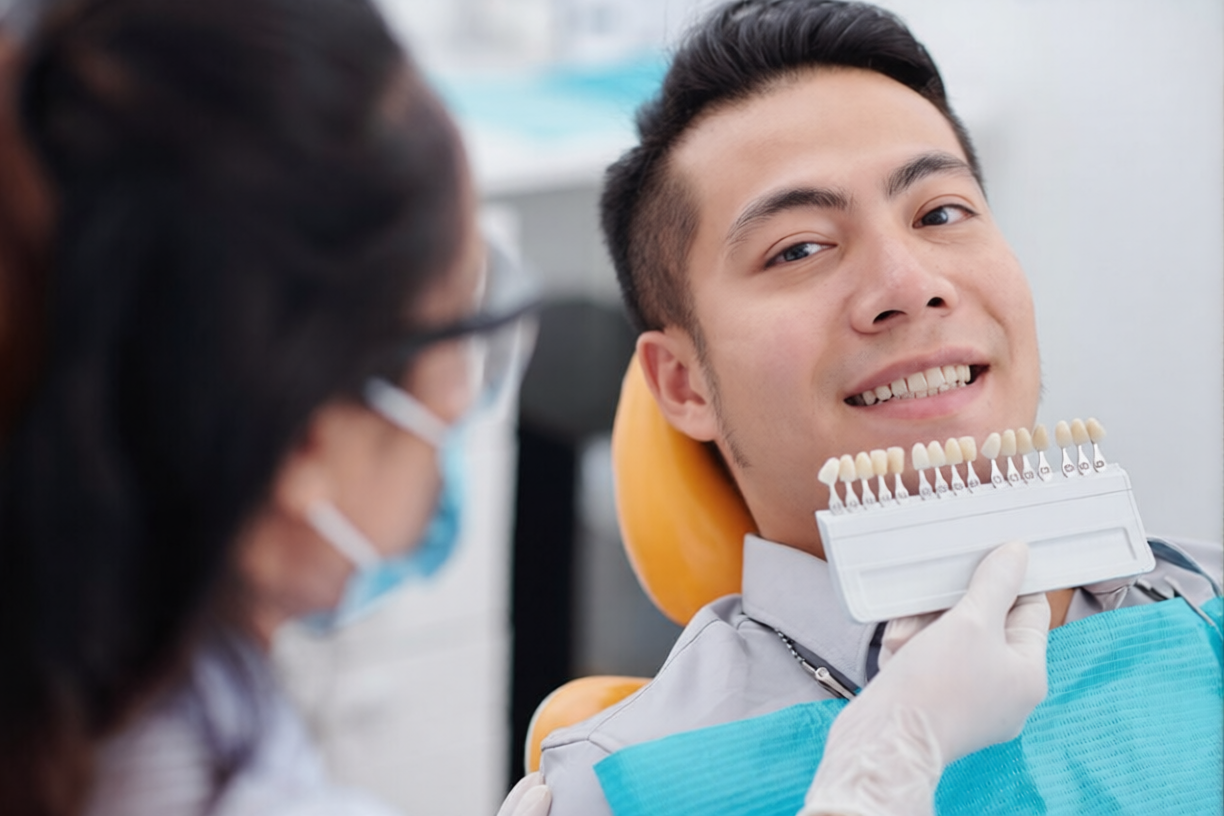
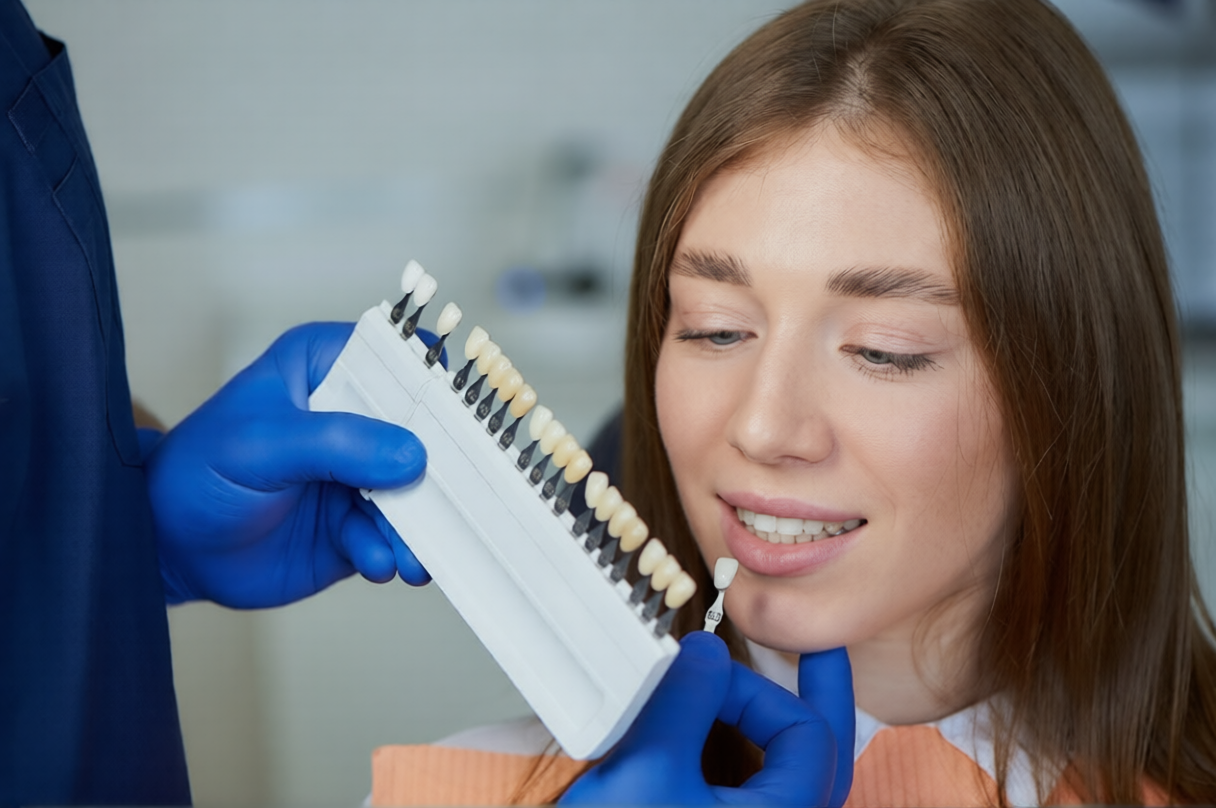
Your first Invisalign® consultation establishes whether clear aligner treatment suits your needs. This visit includes a dental health assessment, jaw structure evaluation, and a discussion of alignment concerns. You can ask questions and learn about the stages of Invisalign® treatment without commitment.
During this initial consultation, the following assessments take place:
- Visual examination:
A thorough examination checks your teeth, gums, and jaw alignment. This identifies dental health concerns, such as cavities or gum inflammation, that need attention before starting. - Digital scanning:
Modern 3D imaging, like iTero® scanners, captures precise digital impressions in five to ten minutes. This replaces uncomfortable traditional putty moulds. - Discussion of concerns:
You’ll explain your goals, whether closing gaps, addressing crowding, straightening teeth, or improving bite alignment. This helps your dentist understand both aesthetic and functional concerns. - Suitability assessment:
The evaluation determines whether Invisalign® can address your concerns. Factors include bite issues, tooth rotation severity, spacing, and jaw relationship. Complex jaw misalignment may require traditional braces instead. - Questions and planning:
Ask about the process, timeframes, and costs. Bring dental records and health fund information to discuss coverage options.
The consultation usually lasts 30 to 60 minutes. Not all cases suit Invisalign® treatment. Your dentist recommends the most appropriate approach for your circumstances based on an honest assessment of what can realistically be achieved.
Stage 2: Custom Treatment Planning and ClinCheck® Preview
Your dentist creates a detailed digital plan from your 3D scans. The ClinCheck Invisalign® software provides a visual representation of projected outcomes, showing how teeth are planned to progressively move from their current to their desired positions.
The planning process includes these essential elements:
- Digital design:
The 3D scans map out step-by-step movements required, considering bite mechanics, facial structure, and aesthetic preferences. This creates a personalised approach addressing your specific concerns. - ClinCheck® visualisation:
This animation shows your projected journey from your current position to the desired result. You’ll see each stage throughout treatment, helping you understand goals and potential smile changes. - Estimated aligner numbers:
Simple cases often need 15 to 20 aligners. Moderate situations usually require 25 to 35 sets. Complex cases may need 40 or more. - Projected duration:
Simple cases may take 6 to 12 months. Moderate cases often require 12 to 18 months. Complex cases may take 18 to 24 months or longer. - Collaborative refinement:
Provide input on the proposed outcome before manufacturing begins. Discuss preferences about tooth positioning or aesthetic concerns. The ClinCheck® plan can be revised to accommodate reasonable modifications. - Development timeline:
Plan development takes one to two weeks after your visit. Your dentist reviews it carefully to verify that it addresses your needs appropriately and realistically.
The preview represents projected results based on planned movements. Actual outcomes may vary due to biological responses. Teeth may move differently than anticipated, so regular monitoring forms part of the process. This serves as a goal rather than a confirmed result.
Stage 3: Invisalign® Treatment Plan Approval and Aligner Manufacturing
Once you approve your plan, preparatory steps begin. Your mouth is prepared while custom aligners are manufactured to precise specifications.
Key steps during this phase:
- Plan finalisation:
After approval, your dentist submits the plan to Invisalign®. This digital information guides the precise manufacturing of your aligner series, customised to your tooth structure and needs. - Pre-treatment dental work:
Any necessary work is addressed first. This includes professional cleaning, filling cavities, and addressing gum health. Some cases need extractions to create adequate space. - Manufacturing timeline:
Custom fabrication takes two to three weeks using advanced 3D printing technology. - Financial arrangements:
Payment plans are finalised before treatment begins. Many clinics offer flexible options, and private health funds may offset some costs.
Starting with healthy teeth and gums helps prevent complications during treatment. This preparatory period represents an important investment in success.
Stage 4: Attachment Placement and First Invisalign® Aligner Fitting
Your first fitting marks the beginning of active treatment. This visit involves receiving initial aligners and learning proper handling. Many patients receive Invisalign® attachments, though not everyone needs them.
The following occurs at this important fitting:
- Attachment placement:
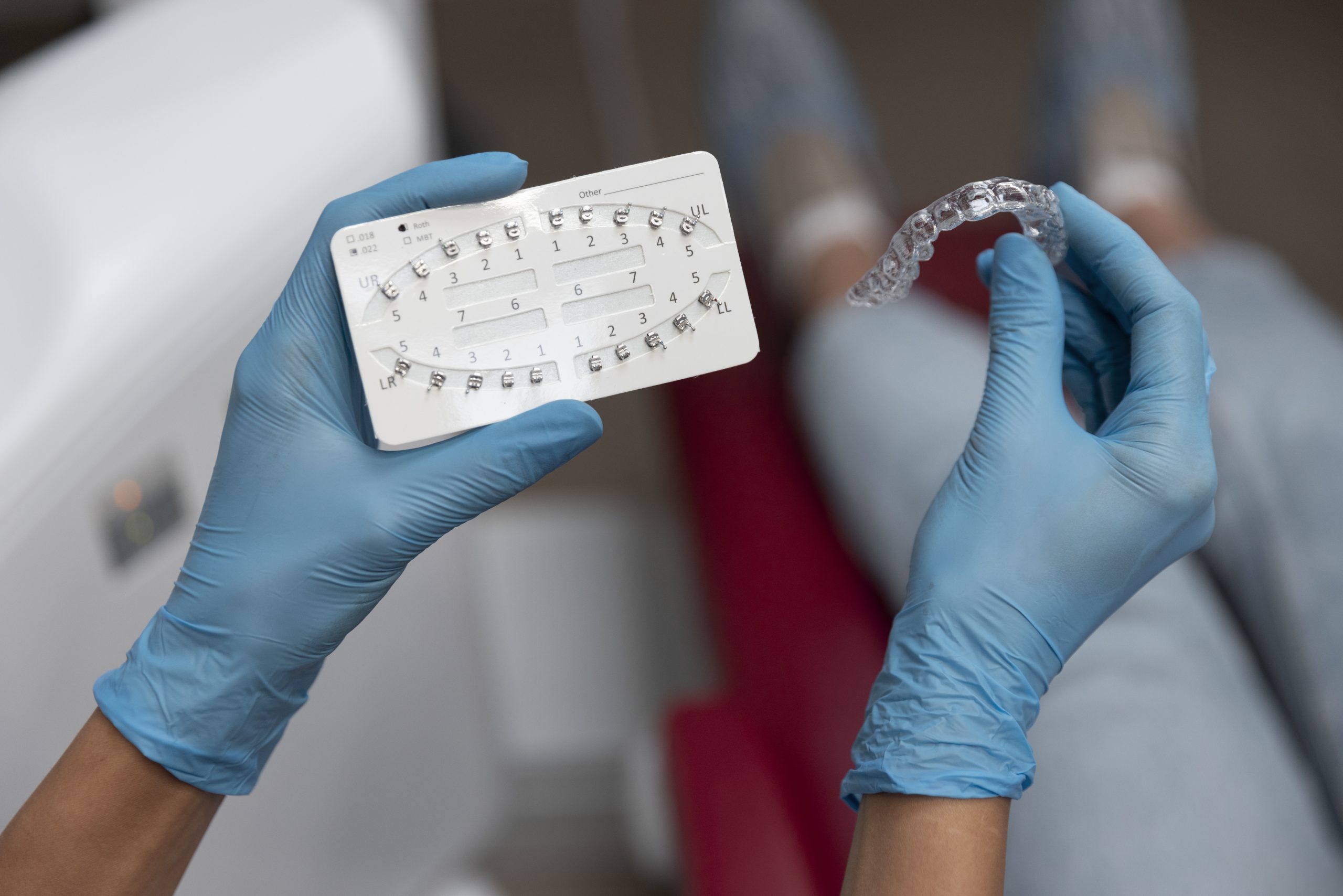
Small tooth-coloured buttons called Invisalign® attachments may be bonded to specific teeth. These help aligners grip more effectively and apply targeted pressure for precise movements, such as rotations. The bonding is often quick and comfortable for most patients. Attachments blend with your tooth colour and remain only as long as needed. - First fitting:
Your dentist fits your first aligners and verifies proper seating. You’ll typically feel pressure indicating the aligners are working as planned. - Handling demonstration:
Learning proper technique is essential. Insert aligners starting from the back teeth, pressing firmly. Remove by gently lifting from the back molars with fingertips. Never pull from the front. - Wear instructions:
Aligners need to be worn 20 to 22 hours per day for proper progression. Remove only for eating, drinking anything except water, and cleaning teeth. - Care requirements:
Clean aligners gently with a soft toothbrush and lukewarm water twice daily. Avoid hot water as it can warp plastic. Store in a protective case when not wearing. - Adjustment period:
Expect some discomfort as your mouth adjusts. This pressure indicates movement is beginning. Speaking may feel different initially. Most people adapt within one week.
Many patients develop confidence with insertion and removal during the first week of treatment.
Stage 5: Active Treatment and Progress Monitoring
Active treatment is the main phase where you progress systematically through your aligner series. You’ll change to new aligners every one to two weeks as directed. Each set makes small, controlled adjustments toward your goal.
Regular check-ins usually occur every six to eight weeks. During these visits, your dentist tracks progress against ClinCheck® predictions, identifies tracking issues early, provides the next aligner sets, and addresses concerns.
Compliance with 20 to 22 hours of daily wear is critical. This achieves predicted results within the projected Invisalign® treatment timeline. Missing wear time delays progress or affects outcomes.
Managing Discomfort and Treatment Compliance
Mild discomfort or pressure when starting each new aligner is normal, indicating the aligners are working. Pressure often lasts two to three days per change and is most noticeable with your first few sets. As treatment progresses, discomfort often decreases.
These strategies help manage temporary discomfort:
- Pain relief:
Medications like paracetamol or ibuprofen can help if needed. Many find pressure manageable without medication, especially after the first few changes. - Cold compresses:
Apply cold packs to your jaw for 10 to 15 minutes to reduce inflammation and numb discomfort. - Strategic timing:
Switch to new aligners before bed so the initial adjustment occurs during sleep. You’ll be less aware of pressure. - Soft foods:
Choose yoghurt, smoothies, soup, or pasta for the first day or two. Avoid crunchy or chewy items. - Report severe pain:
While pressure is normal, intense or persistent pain may indicate problems. Contact your dentist if pain persists for several days or affects one specific tooth.
Maintaining 20 to 22 hours of daily wear allows continuous pressure for predictable movement. Removing aligners for extended periods gives teeth the opportunity to shift back, undermining progress.
Recognising and Addressing Tracking Issues
Tracking refers to how well aligners fit your teeth and indicates whether they’re moving as expected. Good tracking means a snug fit with no visible gaps. When issues develop, it signals teeth aren’t progressing as predicted.
Watch for these warning signs:
- Loose fit:
Aligners feel loose rather than snug, indicating tooth position doesn’t match the aligner design or teeth haven’t moved as far as anticipated. - Visible gaps:
Noticeable spaces between the aligner and the tooth persist beyond the first day. Small gaps are normal initially but should close within 24 hours as aligners settle. - Difficulty achieving fit:
Despite proper insertion, aligners won’t fit securely, suggesting teeth aren’t in the expected positions. - Easy dislodgement:
Aligners pop off easily during talking or yawning. They should stay firmly in place. - Uneven pressure:
Some teeth feel excessive pressure, while others have minimal contact, indicating inconsistent aligner-tooth contact.
Contact your dentist promptly if you notice these signs. Don’t progress to the next set. Early intervention often addresses minor issues without delays. Your dentist may recommend extending the wear time of your current aligners.
Stage 6: Mid-Treatment Assessment and Possible Refinements
Around the midpoint or after completing the initial aligners, your dentist evaluates progress. This assessment compares actual results to ClinCheck® predictions and determines whether refinement aligners are needed for optimal positioning.
This mid-treatment evaluation includes:
- Progress evaluation:
Your dentist examines how actual positions match predictions, considering alignment accuracy, bite relationship, spacing closure, and aesthetic outcome against initial goals. - Refinement assessment:
If teeth haven’t moved exactly as predicted, refinement aligners may be recommended. This is normal in many Invisalign® treatment journeys. Needing Invisalign® refinements doesn’t indicate failure but reflects biological variability in orthodontic response. - Refinement process:
New scans capture current positions. Your dentist creates an updated plan that shows the additional movements needed. The refined series is then manufactured for finishing adjustments. - Timeline implications:
Refinements add two to six months. Simple refinements often need five to ten aligners, while comprehensive adjustments could require 15 to 20, depending on individual needs.
Teeth move through living bone, which responds differently in each person. Bone density, age, and genetics affect how quickly teeth can move safely. These biological factors explain why refinement aligners help achieve optimal results.
Stage 7: Completing Active Treatment
When your dentist confirms teeth have achieved the planned positioning, active therapy is complete. This milestone appointment marks the transition from active treatment to the essential retention phase.
Your completion appointment includes these procedures:
- Final evaluation:
Your dentist assesses positioning to confirm it meets goals, examining alignment, bite function, spacing closure, and aesthetic appearance. - Attachment removal:
If you had attachments, these buttons are removed using careful buffing that doesn’t affect enamel, leaving surfaces smooth. - Professional cleaning:
Thorough cleaning takes away residual bonding material and polishes teeth, providing a fresh start for retention. - Photography:
Before-and-after photos document your journey and help you appreciate the transformation achieved over months. - Retention discussion:
Your dentist explains the importance of retention, available Invisalign® retainers, wear schedules for the initial and long-term phases, and what happens without consistent wear.
Without proper retention, teeth will gradually shift back toward their original positions. This occurs because bone and soft tissues need extended time to stabilise. Committing to retention protects your investment in treatment.
Stage 8: Retention Phase and Long-Term Maintenance
Retention represents a long-term commitment rather than a temporary phase. After completing active treatment, consistently wearing retainers helps maintain your results. Understanding the biological realities explains why this ongoing phase is essential.
Essential components of the retention phase:
- Retainer options:
Most patients receive Vivera® retainers, Invisalign’s proprietary system made from strong, durable material designed for long-term wear. Alternative types include traditional bonded retainers, which are thin wires attached to the back of front teeth. Other removable designs are available. - Initial protocol:
The first several months require full-time wear except when eating or cleaning teeth. This intensive period allows the bone surrounding teeth to remodel and tissues to stabilise. Most patients then transition to night-time-only wear. - Long-term schedule:
Night-time wear continues indefinitely to maintain positioning. This ongoing commitment reflects biological reality. Teeth can move throughout life due to jaw muscle pressure during chewing, tongue pressure during speaking, and natural ageing processes. - Replacement schedule:
Retainers wear out gradually with nightly use and need periodic replacement. Vivera® retainers can last several years with proper care, though replacement timing varies based on individual wear patterns and usage. - Daily care:
Clean retainers thoroughly each day using gentle methods. Use a soft toothbrush and lukewarm water. Store in a protective case when not wearing. Avoid heat sources, as this can warp plastic.
Consistent wear effectively maintains positioning for most people over the years. However, minor shifting may occur despite proper use due to natural ageing of the jaw structure. Individual biological factors influence long-term stability.
Factors That Influence Your Invisalign® Timeline
Individual treatment duration varies from person to person. Understanding these variables helps establish realistic expectations. While the typical Invisalign® treatment timeline spans 12 to 18 months, your case may differ considerably.
Key factors affecting duration:
- Orthodontic complexity:
Minor crowding or small gaps may require only 6 to 12 months of treatment. Moderate issues involving several teeth often require 12 to 18 months. Complex cases with substantial bite problems or severe crowding can take 18 to 24 months or longer, depending on individual factors. - Patient compliance:
Consistent 20 to 22 hours daily wear is critical. Every hour missed extends the duration. Patients who regularly remove aligners for extended periods experience longer treatment. Compliance represents the factor most directly under your control. - Biological factors:
Age influences tissue response. Younger patients often experience faster movement through more adaptable bone. Bone density varies between individuals and affects movement speed. Genetic factors play a substantial role in response patterns. - Need for refinements:
Many patients require one or more refinement stages to fine-tune positioning, adding two to six months. Complex treatments are more likely to require refinements for ideal final positioning. - Type of movements:
Different movements progress at different rates. Tipping teeth happens relatively quickly. Rotating teeth, particularly those with round roots, takes longer. Closing extraction spaces requires substantial time. Moving teeth vertically progresses gradually.
Given these variables, timeframes represent educated estimates rather than certain outcomes. Your dentist provides projections based on experience and case assessment. However, actual duration depends on how these factors interact in your situation.
Final Thoughts
Understanding the stages of Invisalign® treatment helps you prepare for the journey ahead. The process requires commitment, patience, and consistent daily compliance from initial consultation through years of retention.
Individual experiences vary based on unique orthodontic needs and biological responses. Your timeline depends on case complexity, wear time compliance, and how your body responds to orthodontic forces.
If you’re considering clear aligner treatment, Enso Dental North Perth welcomes you to schedule an Invisalign® consultation. A professional evaluation is required to determine whether Invisalign® is suitable for your needs. Contact our team to learn whether this approach could help you.
Important Information
Individual circumstances vary, and treatment outcomes differ between patients. This information is for educational purposes only. Professional consultation is required to assess your suitability for Invisalign® treatment.
This information is provided by En.so Dental North Perth. Principal Dentist: Dr Ryan Moldrich, Dentist – General Registration, AHPRA Registration Number: DEN0001858998. For appointments or enquiries, please contact the practice directly.