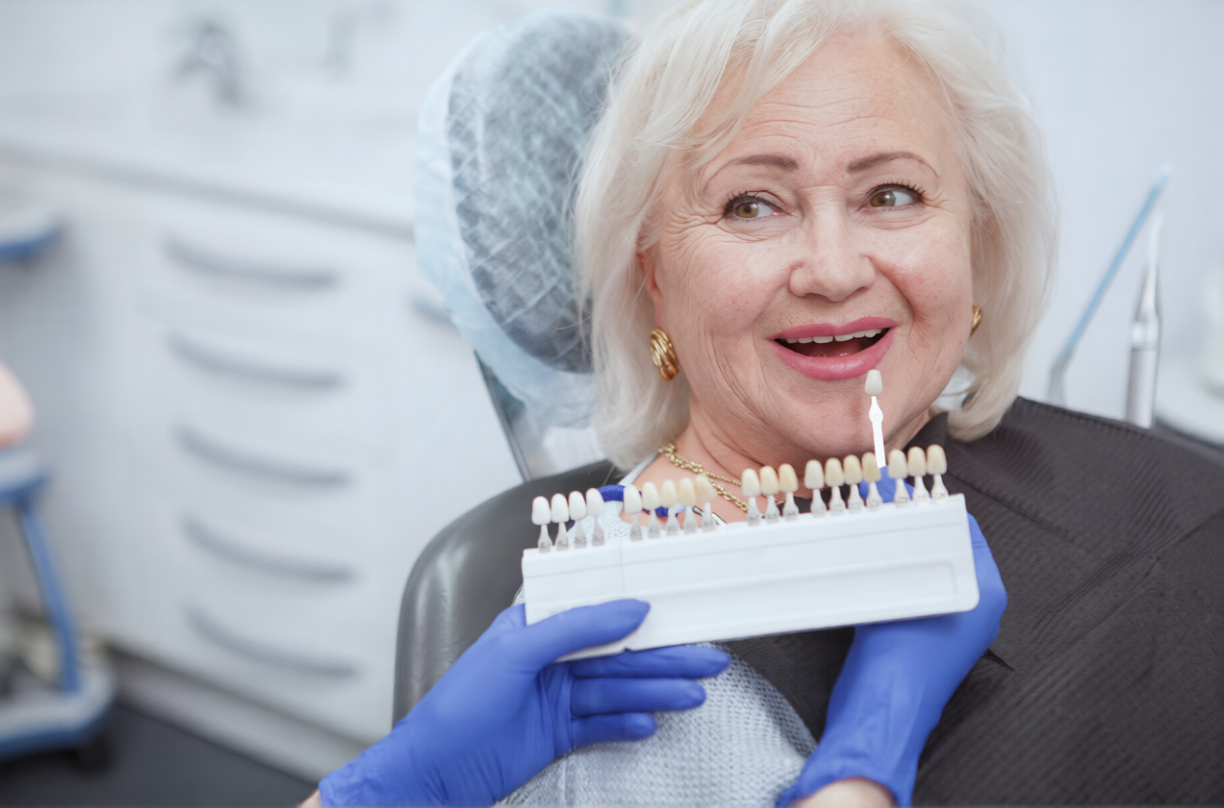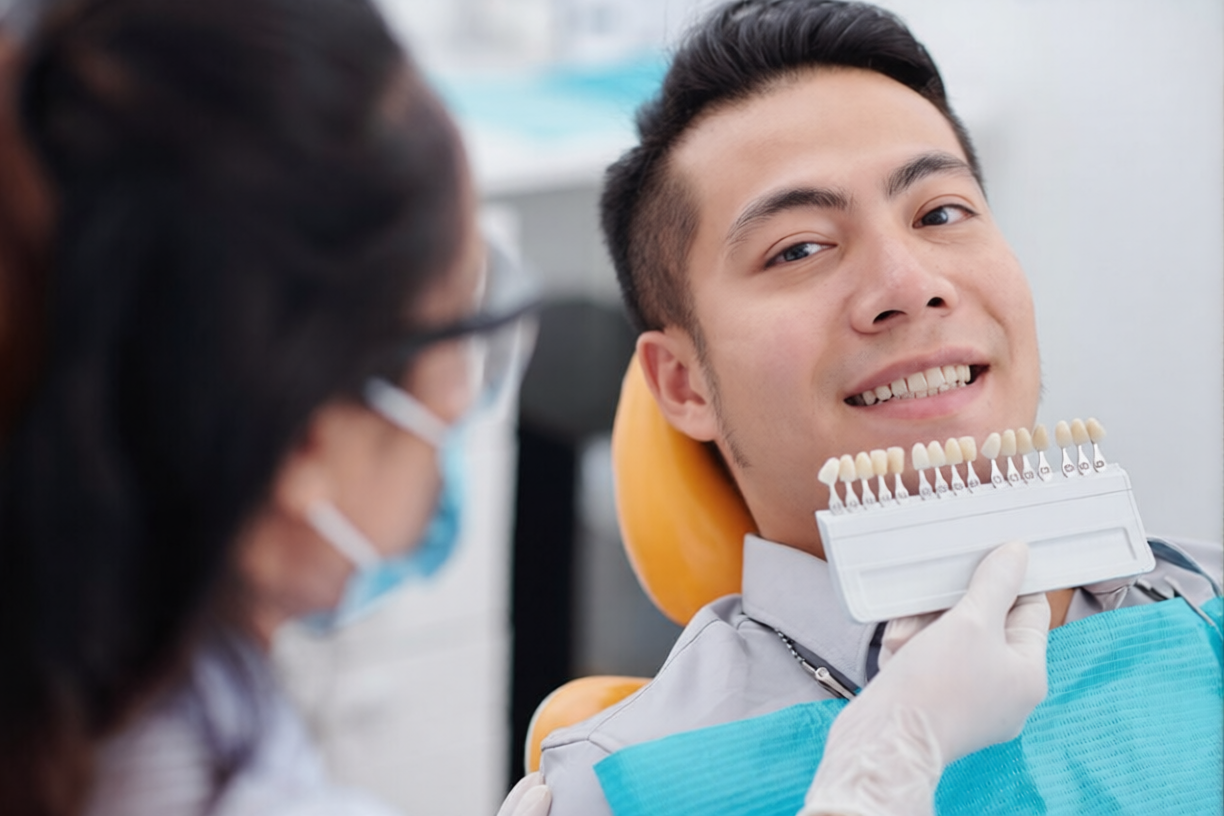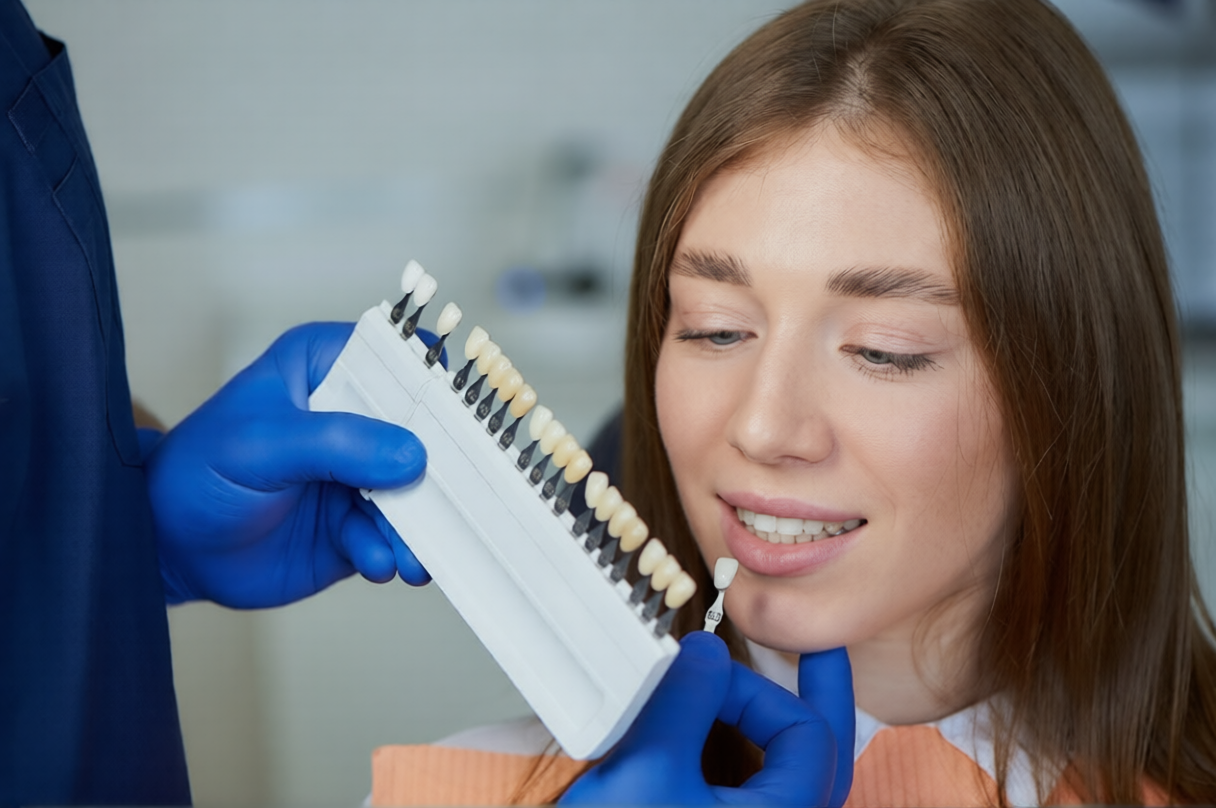


If you’re considering veneers, you might be wondering what happens to your natural teeth when you have veneers. Many people don’t realise that veneers require altering your natural tooth structure. Unlike crowns that cover the entire tooth, veneers are thin shells bonded to the front surface of your teeth. However, achieving this transformation isn’t as simple as placing a cosmetic layer on top of your existing teeth.
Understanding what physically happens to your teeth during the veneer process is important for making an informed choice. Your teeth undergo preparation that involves removing a small amount of enamel to create space for the veneer and form a strong bond. This process is irreversible, which means once you choose veneers, your teeth will always require some form of restoration.
This guide provides comprehensive, evidence-based information about tooth preparation for veneers and what happens underneath over time. We’ll also cover what you need to know before committing to this cosmetic procedure. A consultation with a registered dentist is required for a personalised assessment of your suitability for veneers and a discussion of your individual circumstances.
Contents Navigation
- Summary of the Content:
- Understanding Dental Veneers and Tooth Structure
- The Tooth Preparation Process: What Actually Happens
- The Science Behind Tooth-Veneer Bonding
- Can You Go Back to Natural Teeth After Veneers?
- How Veneers Affect Your Natural Teeth Long-Term
- Do Veneers Damage Your Natural Teeth?
- What Can Go Wrong: Potential Complications
- Caring for Your Natural Teeth Under Veneers
- Is Veneer Tooth Preparation Right for You?
- Final Thoughts
Summary of the Content:
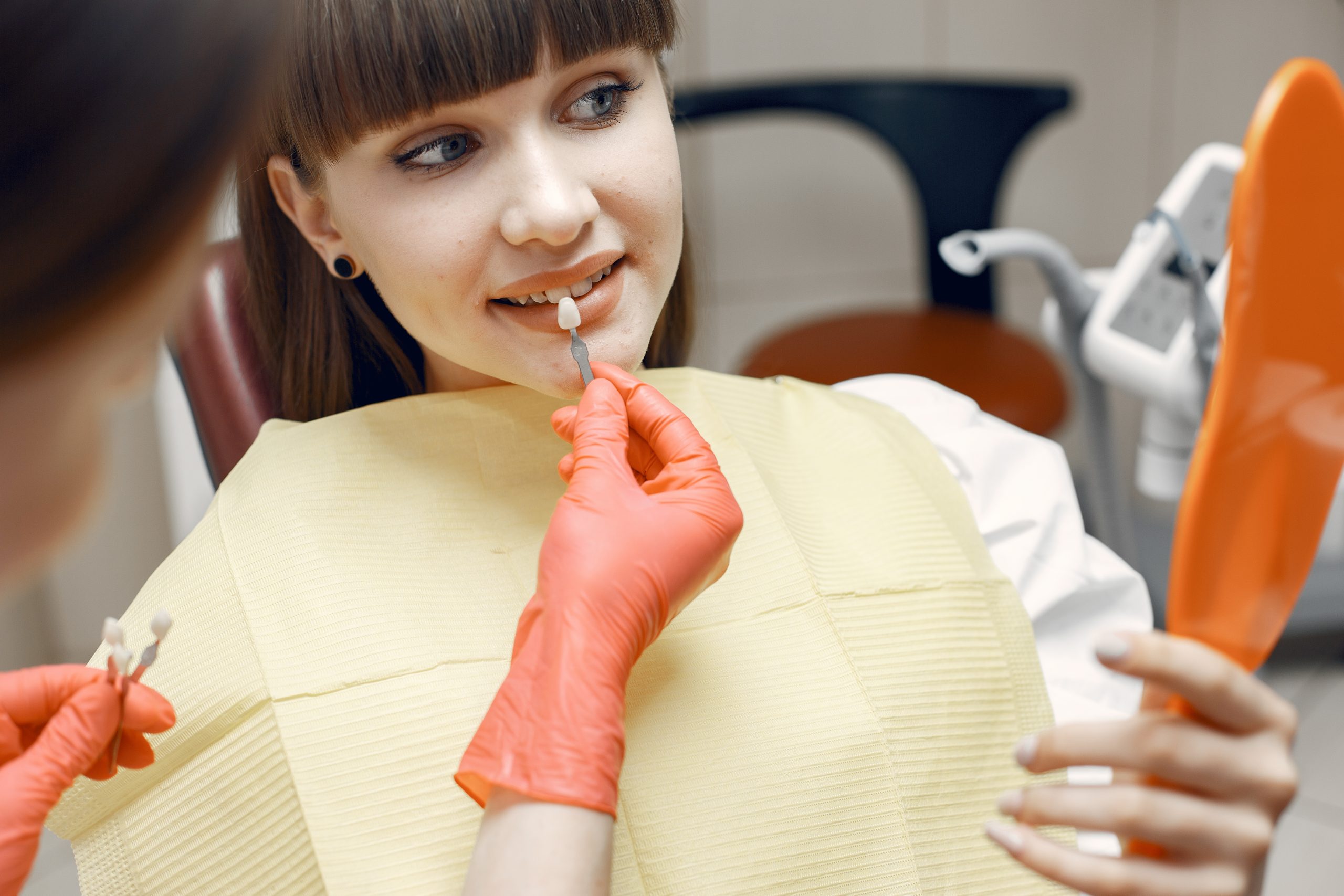
- Dental veneers require alteration of your tooth structure by removing 0.3-1.5mm of enamel from the front surface.
- Tooth preparation for veneers is irreversible because enamel cannot regenerate once it has been removed.
- Going back to natural teeth after veneer placement isn’t possible, meaning you’ll always require some form of restoration.
- Your natural teeth under veneers remain vital and can stay healthy when properly maintained with good oral hygiene.
- The prepared tooth structure becomes more vulnerable without its full protective enamel layer, making ongoing care essential.
- Veneers typically last 10 to 15 years before requiring replacement due to normal wear patterns and aesthetic changes.
- Success depends on proper veneer bonding to teeth, which relies on both chemical adhesion and mechanical retention.
- Complications can occur but remain relatively uncommon when veneers are properly placed and maintained by qualified practitioners.
Understanding Dental Veneers and Tooth Structure
Dental veneers are thin shells of porcelain or composite resin that are bonded to the front surface of your teeth. They function as cosmetic restorations designed to improve the appearance of teeth that are discoloured, chipped, misaligned, or have gaps between them. While veneers can address multiple aesthetic concerns, they work by covering the visible portion of your tooth rather than changing the tooth itself.
Your natural tooth structure consists of three main layers. The outermost layer is enamel, a hard, protective coating that shields the tooth from damage and decay. Beneath the enamel sits dentine, a softer layer that forms the bulk of the tooth structure. At the centre lies the pulp, which contains nerves and blood vessels that keep the tooth alive. This layered structure is important because veneers affect at least one of these layers during the preparation process.
Many people mistakenly believe that veneers can simply be “glued on top” of their existing teeth. However, this approach would create a bulky, unnatural appearance and poor bonding strength. The veneer material needs adequate space to achieve a natural look and proper thickness for durability. Additionally, the bonding surface must be prepared to provide strong adhesion between the veneer and your tooth. This is why tooth preparation for veneers involves removing a controlled amount of enamel before the veneer can be placed.
The amount of natural tooth structure that needs to be removed depends on several factors. These include the type of veneer material chosen, the current condition of your teeth, and the desired aesthetic outcome. Understanding these structural realities helps you appreciate why the veneer process involves more than simply adding a cosmetic layer. The procedure may improve the appearance of your smile, though individual results vary depending on your specific circumstances and starting condition.
The Enamel Layer: What Gets Removed and Why
Enamel removal is necessary for several important reasons. First, removing enamel creates a bonding surface that allows the adhesive to attach the veneer securely to your tooth. Unprepared enamel doesn’t provide the same bonding strength because it lacks the texture and surface area needed for reliable adhesion. Second, removing a thin layer of enamel creates space for the veneer material without making your teeth appear overly large or bulky. Third, the preparation process removes the smooth outer enamel layer, exposing slightly rougher enamel underneath that accepts the bonding agent more effectively.
The typical veneer enamel removal depth ranges from 0.3mm to 1.5mm, depending on the type of veneer and your individual situation. To put this in perspective, tooth enamel is usually 2mm to 2.5mm thick on the front surfaces of your teeth. This means that traditional veneer preparation removes approximately 20% to 60% of the enamel layer. While this might sound like a significant amount, the removal is carefully controlled to preserve as much enamel as possible while achieving the necessary preparation depth.
Enamel removal isn’t a casual or reversible process. Once enamel is removed, it doesn’t regenerate or grow back because it contains no living cells. This is why the decision to proceed with veneers should be considered carefully. The prepared tooth will always require some form of restoration to protect the exposed enamel and dentine surfaces. Some patients experience increased sensitivity after preparation because the remaining enamel layer is thinner, though this often improves once the new veneers are placed.
The depth of enamel removal also affects the reversibility of veneers. Minimal preparation techniques that remove only 0.3mm to 0.5mm of enamel leave more of your natural tooth structure intact. However, even these conservative approaches create a stable change. Traditional veneer preparation that removes up to 1.5mm of enamel makes a more substantial alteration. Both approaches require ongoing commitment to maintaining the veneers or replacing them with alternative restorations if they need to be removed in the future.
Porcelain vs Composite Veneers: Different Preparation Requirements
Porcelain veneers typically require more tooth preparation than composite veneers. Traditional porcelain veneers need 0.5mm to 1.5mm of enamel removal to accommodate the thickness of the porcelain material and allow for proper strength and aesthetics. The porcelain must be thick enough to achieve an opaque, natural-looking result and to resist fracture under normal biting forces. Thinner porcelain veneers would appear translucent and show the colour of the underlying tooth, potentially creating an unnatural appearance.
Composite veneers can sometimes be placed with less tooth preparation because composite resin can be applied directly to the tooth surface and sculpted into shape. Some composite veneer techniques require only minimal enamel roughening rather than substantial removal. However, composite veneers placed with minimal or no preparation may appear bulky or may not blend seamlessly with your natural teeth. The trade-off between preparation depth and aesthetic result means that even composite veneers often require some enamel removal to achieve suitable outcomes.
No-prep and minimal-prep veneer options have become available in recent years. These techniques aim to preserve more natural tooth structure by using ultra-thin veneer materials or by relying on minimal enamel roughening rather than removal. However, these options are only suitable for certain cases. Teeth that are already small, have adequate spacing, or require minimal colour change may be candidates for no-prep veneers. Teeth that are large, crowded, or severely discoloured typically require traditional preparation to achieve satisfactory results.
The choice between porcelain and composite veneers isn’t simply about which material is “preferable” to the other. Each has different characteristics, preparation requirements, and expected lifespans. Porcelain veneers typically last longer but require more tooth preparation. Composite veneers can often be managed more easily but may need more frequent maintenance or replacement. Your individual dental situation, aesthetic goals, and budget all influence which type of veneer might be more suitable. Consultation with a registered dentist is required to assess which approach aligns with your specific circumstances.
The Tooth Preparation Process: What Actually Happens
The tooth preparation process begins with a thorough examination and treatment planning session. Your dentist assesses the current condition of your teeth, discusses your aesthetic goals, and determines how much veneer enamel removal will be necessary. Digital photographs and impressions or scans of your teeth are taken to plan the veneer design. This planning stage is important because it establishes the depth of preparation needed and helps confirm that the final veneers will achieve your desired outcome.
On the day of tooth preparation, your dentist administers local anaesthesia to numb the area, as the veneer enamel removal can cause sensitivity or discomfort. Once the anaesthesia takes effect, the dentist uses dental instruments to carefully remove the predetermined amount of enamel. This is done on the front surface of each tooth receiving a veneer. This process is controlled and precise, though it does alter your tooth structure. The dentist removes enamel evenly across the tooth surface while preserving as much healthy tooth structure as possible.
After the enamel is removed, your prepared natural teeth have a distinctly different appearance. Prepared teeth look smaller, slightly chalky or dull, and may appear off-white or yellowish because the translucent outer enamel layer has been removed, exposing the underlying dentine. The surface texture changes from smooth and glossy to rougher and more matte. This appearance can be surprising or concerning for patients who haven’t been prepared for how their teeth will look during this interim period.
Temporary veneers are necessary because you cannot leave your home with exposed, prepared teeth. Temporary veneers protect the prepared tooth surfaces, reduce sensitivity, and provide an acceptable appearance while your new veneers are being fabricated in a dental laboratory. These temporary restorations are typically made from acrylic or composite resin and are bonded to your teeth with temporary cement. You’ll wear them for approximately one to three weeks, depending on how long it takes to create your custom veneers.
Once your final veneers are ready, you return to the dental clinic for final placement. Your dentist removes the temporary veneers, cleans the prepared tooth surfaces, and carefully tries in each veneer to check the fit, colour, and appearance. After any necessary adjustments, the new veneers are bonded to your prepared teeth using dental adhesive and curing light. The veneer bonding to teeth creates a strong attachment between the porcelain or composite material and your natural tooth structure.
The appearance of your teeth between preparation and final veneer placement is one reason why proper planning and realistic expectations are important. While temporary veneers provide cover, they don’t look or feel exactly like your final veneers. You may experience some sensitivity during this period, particularly to temperature changes. Understanding what to expect helps reduce anxiety about this transitional stage of treatment.
The Science Behind Tooth-Veneer Bonding
Veneer bonding to teeth relies on both chemical adhesion and mechanical retention to create a durable attachment. The bonding process begins with the application of an etching gel to the prepared tooth surface. This acidic gel creates microscopic irregularities in the enamel, increasing the surface area available for bonding. These tiny spaces allow the adhesive resin to flow into the tooth structure and mechanically lock into place when it hardens.
After etching, your dentist applies a bonding agent to the prepared tooth surface. This liquid resin penetrates the etched enamel and creates a hybrid layer between the tooth structure and the veneer material. The bonding agent is designed to chemically bond to both the tooth and the veneer cement, acting as an intermediary that links the two surfaces together. When light-cured with a special dental lamp, the bonding agent hardens and forms a strong connection.
The prepared enamel surface bonds more effectively than unprepared enamel for several reasons. The removal of the smooth outer enamel layer exposes the underlying enamel structure, which has a more porous surface. This rougher surface provides more surface area for mechanical retention and allows the bonding agent to penetrate more deeply. Additionally, the etching process creates even more microscopic retention sites that enhance the bond strength. Together, these factors help keep the veneer attached to your tooth under normal functional forces.
The veneer itself also undergoes surface treatment before bonding. Porcelain veneers are etched with hydrofluoric acid to create a rough surface, and a silane coupling agent is applied to enhance bonding to the resin cement. Composite veneers may receive different surface treatments depending on their specific composition. These preparations on both the tooth surface and the veneer material work together to create a strong, durable bond.
The bonding process is important for veneer longevity because a weak bond can lead to veneer failure. When the bond fails, the veneer can debond (come loose) from the tooth, requiring replacement or rebonding. A proper bonding technique can provide a strong attachment that lasts for many years under normal conditions. However, factors such as teeth grinding, biting hard objects, or poor oral hygiene can compromise the bond over time. This is why the bonding process requires careful technique and why maintenance of your oral health is important for preserving the integrity of the bond.
Can You Go Back to Natural Teeth After Veneers?
The straightforward answer is no, you cannot go back to your exact original natural teeth after veneers. Once enamel has been removed to prepare your teeth for veneers, it cannot grow back or regenerate. Enamel is an acellular tissue without regenerative capacity. This makes the veneer preparation process irreversible, meaning your teeth will always require some form of restoration after the enamel has been removed.
If veneers are removed or fail, several options exist for managing the prepared teeth. The most common approach is to replace the failed veneers with new ones. Other options include placing dental crowns, which cover more of the tooth structure. Alternatively, composite bonding material can restore the appearance and function of the prepared tooth. However, none of these alternatives restores your teeth to their original, unprepared state. Each option simply provides a different way to cover and protect the prepared tooth surfaces.
Going without any restoration after veneer preparation isn’t viable for most patients. The exposed, prepared tooth surfaces are more vulnerable to sensitivity, staining, and decay because the protective enamel layer has been reduced. The teeth also look noticeably different, often appearing chalky, discoloured, and smaller than before preparation. Most people find the appearance and sensitivity of prepared teeth without restoration unacceptable for daily life.
The reversibility of veneers is an important consideration before committing to treatment. This is a long-term commitment that requires ongoing maintenance and eventual replacement. Many patients successfully wear veneers for decades by maintaining them properly and replacing them when necessary. However, understanding that you’re committing to the management of these restorations helps you make a fully informed decision. If you have concerns about the irreversibility of veneers, discussing alternative treatments such as teeth whitening, composite bonding, or orthodontics with your dentist may be appropriate.
The concept of going back to natural teeth after veneers sometimes confuses patients who haven’t fully understood the preparation process. Some people assume veneers are temporary cosmetic additions that can be removed at will, leaving their teeth unchanged. This misconception can lead to regret or dissatisfaction after treatment. Clear communication about the irreversible nature of tooth preparation is required before proceeding with veneers, and this information should be discussed during your consultation.
How Veneers Affect Your Natural Teeth Long-Term
The prepared tooth structure underneath your veneers remains vital and can stay healthy for many years when properly cared for. The tooth continues to receive blood supply and nerve function through the pulp, meaning it’s still a living structure despite being covered by a restoration. The veneer itself covers the prepared tooth surface but doesn’t strengthen or protect the tooth beyond providing a physical barrier on the front surface.
However, the prepared tooth is more vulnerable than it was before veneer placement because the protective enamel layer has been reduced. Enamel naturally protects the softer dentine layer underneath from decay, sensitivity, and wear. With less enamel present after preparation, the remaining tooth structure relies more heavily on the veneer for protection. This is why maintaining the integrity of the veneer and practising good oral hygiene is important for preserving the health of your teeth underneath the veneers.
One common fear is that teeth will “rot underneath” the veneers or become damaged over time. This doesn’t happen if the veneer is properly bonded and maintained. The tooth underneath remains healthy as long as the margin between the veneer and the tooth remains sealed and no decay develops. However, decay can occur at the edges of the veneer if bacteria accumulate in gaps between the veneer and your natural tooth. Poor oral hygiene, particularly inadequate flossing around the margins, increases the risk of decay developing at these vulnerable areas.
The long-term effect of veneers on your natural teeth under veneers depends largely on how well you maintain both the veneers and your overall oral health. Regular dental check-ups allow your dentist to monitor the condition of the veneers and the health of the underlying teeth. During these examinations, your dentist checks for signs of decay, debonding, or other issues that could compromise the veneer or the tooth beneath it. Early detection of problems allows for intervention before significant damage occurs.
It’s also important to understand that veneers don’t prevent all dental problems. You can still develop gum disease, which affects the tissues supporting your teeth rather than the tooth structure itself. The teeth adjacent to those with veneers can still develop cavities or other issues. Maintaining comprehensive oral health care, not just focusing on the veneered teeth, is necessary for long-term success. The presence of veneers doesn’t reduce your need for routine preventative dental care.
The First 5 Years: What to Expect
During the first five years after veneer placement, most patients experience an adjustment period as they adapt to their new restorations. Some people notice minor sensitivity to temperature changes, particularly during the first few weeks or months. This sensitivity typically improves as the teeth adjust to the presence of the veneers. However, if sensitivity persists or worsens, it may indicate an issue with the veneer fit or bonding that requires assessment by your dentist.
The adjustment period also involves becoming accustomed to the feel and function of the veneers. Your bite may feel slightly different at first, and you might be more aware of your veneers when you bite down or speak. These sensations usually diminish within a few weeks as you adapt. If your bite continues to feel uncomfortable or if the veneers interfere with your speech, your dentist can make minor adjustments to improve comfort and function.
Maintenance requirements during the first five years include regular brushing, flossing, and dental check-ups. You should avoid biting hard objects, using your teeth as tools, or engaging in habits that could chip or fracture the veneers. Some patients benefit from wearing a night guard if they grind or clench their teeth during sleep, as these forces can damage veneers over time. Your dentist can advise you on specific maintenance practices based on your individual circumstances.
Most veneers that are properly placed and cared for remain stable during the first five years. Minor issues such as small chips or rough edges can sometimes be polished or adjusted without replacing the entire veneer. However, this period isn’t problem-free for everyone. Some patients experience debonding, where the veneer comes loose from the tooth, or develop decay at the veneer margins if oral hygiene is inadequate. Addressing these issues promptly helps prevent more serious complications.
Years 5-15: When Veneers Typically Need Attention
As veneers age beyond the five-year mark, normal wear patterns may begin to appear. The edges of porcelain veneers can chip or become rough, though this doesn’t always require immediate replacement. Small chips can sometimes be smoothed with polishing, though larger fractures may necessitate veneer replacement. Composite veneers may show more significant wear during this period, including surface staining or dulling of the polish, which can affect their appearance.
Discolouration at the margins is another common concern between years five and fifteen. While the veneer material itself resists staining, the exposed tooth structure or the cement line at the edge of the veneer can darken over time. This creates a visible line where the veneer meets your natural tooth, which becomes more noticeable as the years pass. The discolouration doesn’t necessarily indicate a problem with the tooth’s health, but it can detract from the aesthetic result.
Debonding can occur during this period, particularly in areas subjected to heavy biting forces. When a veneer debonds, it comes loose from the tooth but may remain partially attached. This creates a risk of bacterial infiltration between the veneer and the tooth, which potentially leads to decay. If a veneer debonds, it needs to be assessed by your dentist to determine whether it can be rebonded or requires replacement. Attempting to use dental adhesive at home to reattach a loose veneer isn’t appropriate and may cause additional problems.
Clinical studies indicate that veneers have an average lifespan of 10 to 15 years. This doesn’t mean all veneers fail at exactly this point, but it represents the period when many veneers may require attention or replacement due to accumulated wear, aesthetic changes, or technical issues. Factors that influence veneer lifespan include the original quality of the bonding, your oral hygiene practices, habits such as teeth grinding, and the forces applied to the veneers during normal function.
Looking at veneers after 10 years provides insight into their long-term performance. Some veneers remain in good condition at this milestone, while others show signs of wear or ageing. Regular professional assessment helps identify when veneers are approaching the end of their functional life. Early detection of problems allows for planned replacement rather than emergency intervention. Many patients successfully extend the life of their veneers beyond the 10 to 15-year average through diligent care and maintenance.
Beyond 15 Years: Replacement and Long-Term Maintenance
Beyond the 15-year mark, most veneers will eventually need replacement. The need for replacement doesn’t necessarily mean the veneers have failed catastrophically. Instead, accumulated wear, aesthetic changes, or changes in the underlying tooth structure may make replacement advisable. Some veneers can last 20 years or longer with proper care, though this isn’t typical for all patients or all veneer materials.
Replacing veneers involves removing the old veneers and preparing the teeth again for new ones. In many cases, the preparation depth for replacement veneers is similar to the original preparation because much of the enamel was already removed during the initial procedure. However, if additional tooth structure needs to be removed or if the tooth has experienced decay or damage, more extensive preparation may be required. In some situations, a crown rather than a veneer may be more appropriate for the replacement restoration.
The replacement process is similar to the original veneer placement. Your dentist takes new impressions or scans, creates new temporary veneers, and fabricates the replacement veneers. The new veneers are then bonded to your prepared teeth following the same bonding protocol as before. Recovery and adjustment to replacement veneers typically follow a similar timeline to the original treatment, though some patients find the process easier because they already understand what to expect.
Understanding that veneer treatment is a recurring procedure, not a one-time intervention, is important for long-term planning. You will likely need multiple sets of veneers if you receive them at a younger age. This represents an ongoing financial and time commitment. Some patients choose to maintain their veneers indefinitely, while others eventually explore alternative restorations such as crowns or even orthodontics to improve tooth position rather than continuing to replace veneers.
Long-term maintenance involves continuing the same care practices that protected your initial veneers: regular brushing and flossing, routine dental check-ups, avoiding harmful habits, and addressing any issues promptly. The commitment to maintenance doesn’t diminish as veneers age. In fact, vigilance becomes more important as veneers approach the end of their expected lifespan. Monitoring for signs of wear, debonding, or decay helps identify problems before they compromise the health of your natural teeth under veneers.
Looking at veneers after 10 years and beyond shows that successful long-term outcomes require a partnership between patient and dentist. Your home care practices, lifestyle habits, and commitment to regular professional care all influence how long your veneers last and how healthy your teeth remain underneath them.
Do Veneers Damage Your Natural Teeth?
The question of whether veneers damage your natural teeth requires a nuanced answer. The tooth preparation process itself involves deliberately removing enamel, which is an irreversible alteration to your natural tooth structure. However, whether this constitutes “damage” depends on perspective. From one viewpoint, any removal of healthy enamel could be considered damage. From another perspective, the preparation is a controlled, intentional procedure performed to achieve a specific cosmetic goal rather than accidental or harmful damage.
When tooth preparation for veneers is performed properly by a qualified practitioner, it serves a protective function in the context of veneer placement. The preparation creates the appropriate space for the veneer material and proper aesthetics, and establishes a bonding surface that allows the veneer to attach securely. Without adequate preparation, veneers would appear bulky, bond poorly, and likely fail prematurely. In this sense, the preparation isn’t damaging but rather necessary for successful veneer placement.
However, risks do exist if the procedure is poorly executed. Excessive enamel removal beyond what’s necessary can compromise tooth structure and increase sensitivity. Preparation that extends too close to the pulp can cause inflammation or damage to the nerve, potentially requiring root canal treatment. Inadequate attention to the gum tissues during preparation can cause recession or inflammation. These complications represent actual damage that could have been avoided with proper technique and care.
The distinction between deliberate preparation and damage becomes important when evaluating veneer procedures. A well-executed veneer preparation removes only the amount of enamel necessary for successful veneer placement while preserving as much healthy tooth structure as possible. The dentist carefully plans the preparation depth, executes it precisely, and monitors the tooth’s response throughout the process. This controlled approach differs significantly from damage caused by decay, trauma, or poor dental technique.
That said, the preparation itself doesn’t reverse or undo the fact that your teeth have been altered. Even when properly performed, the procedure makes your teeth dependent on some form of restoration for the rest of your life. Whether you view this as acceptable depends on your values, aesthetic priorities, and understanding of the trade-offs involved. Some people gladly accept this trade-off for improved aesthetics, while others prefer to preserve their natural tooth structure whenever possible.
What Can Go Wrong: Potential Complications
Tooth sensitivity is one of the more common complications that can occur after veneer placement. Some sensitivity during the initial adjustment period is normal and typically improves within weeks to months. However, persistent or severe sensitivity may indicate that the preparation extended too close to the pulp, that the veneer fit is improper, or that the bonding has failed. If sensitivity doesn’t improve or worsens over time, assessment by your dentist is required to identify and address the underlying cause.
Pulp damage represents a more serious complication. If tooth preparation removes too much enamel or generates excessive heat during the preparation process, the pulp can become inflamed or damaged. Symptoms of pulp damage include severe pain, prolonged sensitivity, or eventually, loss of vitality in the tooth. When pulp damage occurs, root canal treatment may be required to remove the damaged nerve tissue and preserve the tooth structure. While this complication is relatively uncommon when veneers are properly placed, it remains a risk that patients should be aware of.
Veneer fracture or chipping can happen if the veneer is subjected to excessive force, such as biting hard objects, grinding teeth, or trauma to the mouth. Small chips can sometimes be polished smooth or addressed with composite resin, though larger fractures typically require veneer replacement. Porcelain veneers are strong but can fracture under extreme force, while composite veneers may chip more easily but are often simpler to manage. Wearing a protective night guard can help prevent fractures in patients who grind their teeth.
Debonding occurs when the adhesive bond between the veneer and the tooth fails, causing the veneer to come loose. This can result from inadequate bonding technique during placement, moisture contamination during the bonding process, or excessive forces applied to the veneer over time. A debonded veneer needs prompt professional attention because the gap between the veneer and tooth allows bacteria and debris to accumulate, increasing the risk of decay. Attempting to reattach a debonded veneer at home isn’t appropriate and may cause further complications.
Decay at the margins is a complication that develops when bacteria accumulate at the junction between the veneer and your natural tooth. If the seal between the veneer and tooth becomes compromised, or if oral hygiene around the margins is inadequate, decay can develop on the exposed tooth structure. This type of decay can progress underneath the veneer, potentially damaging the tooth before symptoms become noticeable. Regular dental check-ups and meticulous oral hygiene around veneer margins help prevent this complication.
These complications are possible but not inevitable. Many patients experience no significant problems with their veneers throughout their lifespan. The risk of complications is influenced by factors including the dentist’s skill and technique, the quality of materials used, your individual anatomy and tooth structure, your oral hygiene practices, and habits such as teeth grinding. Understanding these risks allows you to make an informed choice about whether veneers are appropriate for you and what precautions you should take to minimise complications.
Caring for Your Natural Teeth Under Veneers
Long-term care for your teeth underneath veneers requires the same foundational oral hygiene practices as natural teeth, with some additional considerations. Brushing twice daily with fluoride toothpaste remains important for removing plaque and bacteria from your teeth and veneers. However, you should use a soft-bristled toothbrush and mild pressure to avoid wearing down the veneer margins or damaging your gums. Aggressive brushing can create gaps between the veneer and your tooth, allowing bacteria to infiltrate.
Flossing daily is particularly important for veneer maintenance. The junction between the veneer and your natural tooth creates an area where plaque and food particles can accumulate. Careful flossing removes this debris and helps maintain the seal between the veneer and tooth. When flossing around veneers, gently slide the floss between your teeth and move it up and down along the tooth surface, taking care not to snap the floss forcefully against the veneer margin, which could cause damage.
Regular dental check-ups are required for monitoring the condition of your veneers and the health of your teeth underneath the veneers. Your dentist examines the veneers for signs of wear, debonding, or marginal breakdown during these appointments. They also check for decay around the veneer margins and assess the health of your gum tissues. Professional cleaning removes plaque and calculus that accumulate despite home care efforts. These appointments typically occur every six months, though your dentist may recommend more frequent visits if you have specific concerns.
Avoiding excessive force on your veneers helps extend their lifespan and protect the underlying tooth structure. You should not bite hard objects such as ice, hard lollies, or pen caps. Using your teeth to open packages, bite fingernails, or perform other non-eating functions puts unnecessary stress on veneers and increases the risk of fracture. If you participate in contact sports, wearing a custom mouthguard protects your veneers and natural teeth from impact injuries.
Dietary considerations can influence veneer longevity. While porcelain veneers resist staining better than natural enamel, the exposed tooth structure and cement at the veneer margins can discolour over time. Limiting consumption of highly pigmented foods and beverages such as coffee, tea, red wine, and curry may help slow this discolouration. Additionally, acidic foods and beverages can erode enamel and weaken the bond between the veneer and tooth, so consuming these in moderation is advisable.
Your teeth underneath veneers can still develop decay if oral hygiene is inadequate. The veneer covers the front surface of the tooth, but the back surface, sides, and margins remain exposed to your oral environment. Bacteria that aren’t removed through proper brushing and flossing can produce acids that demineralise the tooth structure, causing cavities. Once decay develops underneath or around a veneer, the veneer typically needs to be removed to address the decay, which often necessitates veneer replacement.
Teeth grinding or clenching, known as bruxism, poses a significant risk to veneers and the teeth underneath them. The excessive forces generated during grinding can fracture veneers, wear down the veneer material, or stress the underlying tooth structure. If you grind your teeth during sleep, your dentist may recommend a custom-made night guard. This protective device cushions your teeth and distributes grinding forces more evenly, reducing the risk of veneer damage and protecting your natural teeth.
Is Veneer Tooth Preparation Right for You?
Determining whether veneer tooth preparation is appropriate for your situation requires careful consideration of multiple factors. Realistic expectations are paramount. Veneers can improve the appearance of your teeth in terms of colour, shape, size, and alignment. However, they don’t address underlying dental health issues such as gum disease, decay, or bite problems.
Your commitment to maintenance is another important consideration. Veneers require ongoing care, regular dental visits, and eventual replacement. If you’re not prepared to maintain them properly or commit to long-term care, veneers may not be the most appropriate choice. The financial commitment is also substantial, not just for the initial placement but for future replacements and any adjustments that may be needed over the years.
Certain oral health prerequisites must be met before proceeding with veneers. Your teeth and gums should be in good health, free from active decay or gum disease. Any existing dental problems should be addressed before veneer placement. You should have adequate tooth structure and enamel to support the veneer preparation. If you have extensive existing restorations, significant tooth wear, or compromised tooth structure, alternative treatments such as crowns may be more suitable.
Your aesthetic goals should align with what veneers can realistically provide. If you’re seeking changes in tooth size, position, or colour, discuss whether veneers can achieve your desired outcome during your consultation. Sometimes, a combination of treatments such as orthodontics followed by veneers, or teeth whitening combined with selective veneers, produces outcomes that meet your goals more effectively than veneers alone.
Alternative treatments might be more suitable in some cases. Professional teeth whitening can address tooth discolouration without requiring tooth preparation. Composite bonding can address chips or close small gaps with minimal or no enamel removal. Orthodontic treatment can address tooth position and alignment issues, potentially eliminating the need for veneers or reducing the number of teeth that require them. Discussing these alternatives with your dentist helps you understand the full range of options available.
Good candidates for veneers typically have healthy teeth and gums, realistic expectations about outcomes, commitment to proper maintenance, adequate tooth structure for preparation, and aesthetic concerns that veneers can effectively address. Poor candidates might include people with significant tooth decay or gum disease, severe teeth grinding without a willingness to wear a protective device, insufficient tooth structure for adequate preparation, or unrealistic expectations about results.
A consultation is required to determine your individual suitability for veneers. During this appointment, your dentist examines your teeth and gums, discusses your aesthetic goals and concerns, explains the veneer process, including preparation and maintenance requirements, and helps you understand what to expect before, during, and after treatment. This is your opportunity to ask questions, express concerns, and gather the information you need to make an informed choice about whether veneers align with your goals and expectations.
Final Thoughts
Veneers require irreversible alteration of your natural tooth structure through controlled enamel removal. This preparation creates the space and bonding surface necessary for successful veneer placement, but it also means your teeth will always require some form of restoration. Understanding this fundamental reality is important before committing to veneer treatment. The decision to proceed with veneers should be based on comprehensive information about the process, realistic expectations about outcomes, and acceptance of the long-term commitment involved.
This is a long-term commitment that requires proper care and eventual replacement. Most veneers last 10 to 15 years, though some may last longer with proper maintenance. The ongoing requirements for home care, professional monitoring, and eventual replacement should factor into your decision-making process. Many patients successfully maintain veneers for decades and find the aesthetic improvement worthwhile despite the maintenance requirements.
When tooth preparation for veneers is performed properly by qualified practitioners, your prepared teeth can remain healthy underneath the veneers. The tooth underneath continues to function as a living structure with nerve and blood supply. Regular professional care combined with diligent home hygiene helps preserve the health of your natural teeth under veneers. While the teeth have been altered, they’re not necessarily damaged if the procedure was performed properly and the veneers are properly maintained.
However, veneers don’t protect or strengthen your teeth. They serve as cosmetic coverings that improve appearance but don’t prevent decay, gum disease, or other dental problems. The prepared tooth structure underneath becomes more vulnerable because the protective enamel layer has been reduced. This is why ongoing care and regular monitoring by your dentist are important for long-term success. The responsibility for maintaining your oral health doesn’t diminish when you have veneers.
If you’re considering veneers and want to understand what happens to your natural teeth when you have veneers, we encourage you to contact Enso Dental North Perth for a personalised consultation. During this appointment, we can assess your individual situation, discuss your goals and concerns, and help you determine whether veneers are appropriate for your circumstances. We’ll provide transparent information about the preparation process, what to expect during and after treatment, and how to care for your veneers long-term.
The information provided in this article is educational in nature and designed to help you understand the veneer process. Individual assessment is required to determine your suitability for veneers and to develop a treatment plan tailored to your specific needs. Every patient’s situation is unique, and what works well for one person may not be appropriate for another. We’re here to answer your questions and provide the guidance you need to make an informed choice about your dental care.