

Dental veneers have become a widely recognised cosmetic treatment option for addressing various aesthetic concerns. However, understanding which dental issues fall within their scope, and which require different approaches, can help you determine whether veneers align with your specific needs. Many people research veneers hoping to address particular dental concerns, only to discover during consultation that their situation requires an alternative treatment approach.
This guide explores the cosmetic and structural boundaries of dental veneers. We’ll examine the types of issues veneers are designed to address, situations where their effectiveness may be limited, and problems that fall entirely outside their scope. Understanding the answer to the question, “When are veneers not suitable?” can help set realistic expectations and guide more productive conversations with your dentist about the most appropriate treatment path for your circumstances.
It’s important to note that this content serves only an educational purpose. A registered dentist must assess your individual dental health, facial structure, and treatment goals to determine whether veneers are suitable for your specific situation. No online resource can replace professional clinical evaluation when considering cosmetic dental treatment.
Contents Navigation
- Summary of the Content:
- What Are Dental Veneers Designed to Address?
- Cosmetic Issues That Veneers May Be Suitable For
- Cosmetic Concerns with Limited Veneer Effectiveness
- Dental Problems That May Require Alternative Treatment
- Alternative Treatments
- Behavioural Factors That Affect Veneer Suitability
- Final Thoughts
Summary of the Content:
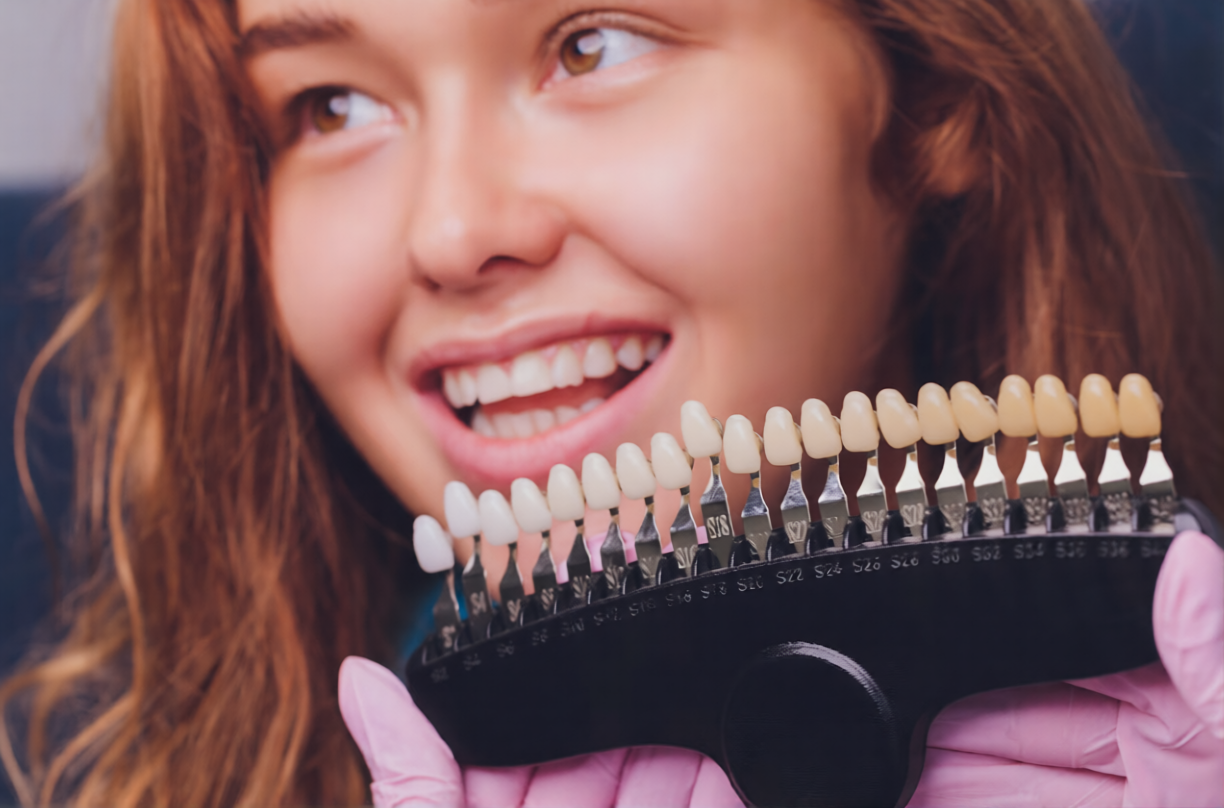
- Veneers are primarily cosmetic shells that address visible tooth concerns such as discolouration, minor chips, and small gaps.
- They work well for surface-level aesthetic issues but have limitations when dealing with severe structural damage, active dental disease, or functional problems.
- Understanding the answer to “When are veneers not suitable?” helps determine whether your specific concern requires orthodontics, crowns, or other treatment approaches.
- Design principles and material properties create natural boundaries for what veneers can achieve aesthetically.
- Professional assessment remains essential to determine if your individual circumstances fall within the scope of veneer treatment.
- Alternative treatments exist for problems outside veneer capabilities, addressing structural, functional, or severe alignment concerns.
What Are Dental Veneers Designed to Address?
Dental veneers are thin shells of porcelain or composite material bonded to the front surface of teeth. They’re primarily designed as a cosmetic treatment to improve the appearance of teeth visible when you smile or speak. Understanding this fundamental purpose helps frame realistic expectations about what veneers can and cannot accomplish.
The primary function of veneers is to mask or reshape the visible surface of teeth. They work by covering existing tooth structure with a new, aesthetically designed layer that addresses colour, shape, size, or minor positioning concerns. This approach differs fundamentally from treatments that address the internal structure, health, or functional positioning of teeth.
Veneers improve appearance rather than addressing dental disease or managing functional problems. They’re bonded to existing tooth structure, which means the underlying tooth must be healthy enough to support the veneer. When the tooth itself has significant structural damage, active decay, or compromised integrity, veneers may not provide appropriate treatment. Instead, restorations that address the structural issue, such as crowns or fillings, are necessary first.
Cosmetic Issues That Veneers May Be Suitable For
Veneers are designed to address specific types of cosmetic dental concerns where the underlying tooth structure remains healthy. When dental issues fall within these parameters, veneers may offer an appropriate treatment approach. However, individual circumstances vary significantly, and what works well for one person may require adjustment or alternative treatment for another.
The problems veneers address most effectively involve surface-level aesthetic concerns that don’t compromise tooth structure or function. These include visible discolouration that doesn’t respond to whitening, minor physical damage to the tooth surface, and small spacing irregularities between teeth. Each of these situations benefits from the veneers’ ability to mask or reshape the visible tooth surface whilst leaving the underlying structure intact.
It’s worth noting that even within these suitable categories, results can vary. Factors such as the severity of the concern, the health of the underlying tooth, your bite relationship, and your aesthetic goals all influence whether veneers achieve the outcome you’re hoping for. A registered dentist evaluates these factors during a consultation to determine whether veneers are appropriate for your specific situation.
Tooth Discolouration and Surface Staining
One of the most common problems veneers address is tooth discolouration that doesn’t respond to conventional whitening treatments. Veneers can cover surface stains from coffee, tea, red wine, or tobacco that have built up over time. They’re also designed to address intrinsic discolouration—colour changes within the tooth structure itself that external whitening cannot reach.
As teeth age, they naturally darken or develop a yellowish tinge. Enamel thins over time, allowing more of the underlying dentine to show through. Veneers can restore a brighter, more youthful appearance by masking this age-related colour change. They provide a consistent, uniform colour across all treated teeth, creating a more even smile appearance.
Certain types of staining respond particularly well to veneer treatment. Fluorosis, which causes white or brown spots on tooth enamel, can be effectively covered with veneers. Minor staining from previous dental work, such as slight discolouration around older fillings, may also fall within the problems veneers address. The porcelain material used in veneers resists staining over time, helping maintain the improved appearance long-term.
However, the degree of underlying discolouration affects how well veneers mask the colour. Very dark underlying tooth structure can show through thinner veneer materials, potentially requiring thicker veneers or alternative treatments. We’ll explore these limitations in more detail in the following section on severe discolouration.
Chips, Cracks, and Minor Physical Irregularities
Veneers can effectively address minor physical damage to tooth surfaces. Small chips along the biting edge of front teeth, hairline cracks in the enamel, or rough, uneven tooth surfaces can be smoothed and reshaped with veneer placement. The veneer covers the damaged area whilst restoring the tooth’s original shape and appearance.
Beyond damage, veneers work well for teeth with irregular shapes or sizes. Some people have naturally undersized teeth, particularly the lateral incisors beside the front teeth. These “peg laterals” appear cone-shaped or noticeably smaller than neighbouring teeth. Veneers can build out these teeth to create a more balanced smile. Similarly, teeth worn down from grinding can be restored to their original length and shape.
Minor surface irregularities, such as slight ridges, shallow pits, or uneven surfaces, can also be masked with veneers. The smooth porcelain surface creates a more uniform appearance across treated teeth. This addresses concerns where the overall tooth colour may be acceptable, but the surface texture or minor flaws affect the aesthetic result.
Gaps Between Teeth and Minor Spacing Issues
Small to moderate gaps between teeth, particularly the front teeth, represent another concern that veneers may address. A diastema, the clinical term for a gap between teeth, can be closed cosmetically by making the adjacent teeth slightly wider. The veneer extends the tooth width on each side of the gap, bringing the edges closer together or closing the space entirely.
Larger gaps or spacing issues involving multiple teeth may exceed what veneers can achieve aesthetically. Trying to close very wide gaps with veneers can result in teeth that look unnaturally large or disproportionate. In these situations, orthodontic treatment to actually move teeth may provide a better functional and aesthetic outcome. A dentist can evaluate whether the gap size falls within reasonable veneer parameters or whether an alternative treatment would better serve you.
Cosmetic Concerns with Limited Veneer Effectiveness
Certain cosmetic concerns lie at the boundary of what veneers can effectively achieve. These situations don’t automatically rule out veneers, but they require careful assessment and realistic expectation-setting. Results may fall short of ideal veneer cases, or the treatment may require additional steps to achieve satisfactory outcomes. Understanding these veneer design limitations helps you make an informed choice about whether veneers address your specific concern.
Veneer limitations often relate to design principles, material properties, or the severity of the underlying issue. When desired changes push against these natural boundaries, the treatment becomes more complex. Sometimes, veneers can still work, but with modifications or compromises. At other times, alternative approaches yield better results. A registered dentist evaluates whether your situation falls into the “possible with limitations” category or whether a different treatment serves you better.
An honest discussion of these grey areas during consultation prevents disappointment after treatment. If your concern involves any of the issues discussed below, expect your dentist to have a detailed conversation about what’s realistically achievable. This includes potential compromises and whether alternatives might better address your specific goals.
The 4-8-10 Rule and Aesthetic Design Limitations
Dental aesthetics follow certain design principles that guide what looks natural and proportionate. One commonly referenced framework is the 4-8-10 guideline. Teeth generally look most natural when they’re at least 4mm wide, no more than 8mm long, and show approximately 10mm of tooth when smiling. These aren’t rigid rules, but general parameters that help maintain pleasing proportions.
These design principles create natural boundaries for what veneers can achieve. If someone wants dramatically longer teeth, exceeding the 8mm length limit might result in teeth that look disproportionate to the facial features. Similarly, trying to make teeth significantly wider to close large gaps might push beyond the natural width parameters. The veneer design limitations relate to maintaining harmonious proportions within your overall facial structure.
It’s crucial to understand that these guidelines vary significantly based on individual factors. Your specific dental anatomy, jaw relationship, lip position, facial structure, and aesthetic preferences all influence what proportions work for your situation. Some people naturally have longer or shorter teeth that fall outside these averages, whilst still appearing completely natural. The “rules” serve as starting points for discussion, not absolute limits that create veneer design limitations for everyone.
When desired changes approach or exceed these parameters, achieving the aesthetic outcome becomes more challenging. The teeth might function well, but appear noticeably artificial. Alternatively, the dentist might recommend a modified approach that achieves improvement without pushing proportions too far. This is where individual assessment becomes essential; your dentist evaluates whether your specific goals fall within achievable parameters for your unique facial structure.
Severe Tooth Discolouration and Very Dark Teeth
Whilst veneers effectively address many types of discolouration, severe discolouration presents greater challenges. Extremely dark underlying tooth structure can show through veneer material, particularly thinner veneers designed to preserve more natural tooth structure. This limitation concerns the translucent properties of the porcelain and composite materials used in veneer construction.
Dark teeth resulting from tetracycline staining, certain medications, or extreme internal discolouration may require thicker, more opaque veneers to achieve acceptable colour cover. However, thicker veneers require removing more natural tooth structure during preparation, thereby altering the treatment’s risk-benefit calculation. Some people with severe discolouration find that crowns, which offer more complete cover and greater opacity, provide better colour masking.
The degree of severe discolouration that veneers can effectively cover depends on several factors. The specific shade and depth of the underlying colour, the thickness of the veneer material used, the shade selected for the veneers, and the skills of the laboratory creating the veneers all influence the final result. During consultation, your dentist can assess whether your specific discolouration falls within the parameters for veneers or whether alternative treatments are better.
In some cases, a combination approach works better. For instance, internal tooth bleaching might lighten dark teeth sufficiently before veneer placement, allowing thinner veneers to achieve the desired colour result. This preserves more natural tooth structure whilst still addressing the severe discolouration. These treatment strategies require individual evaluation based on your specific circumstances.
Dental Problems That May Require Alternative Treatment
Understanding the response to the question ”When are veneers not suitable?” requires recognising issues that fall fundamentally outside their scope. These problems involve structural damage, active dental disease, functional concerns, or severe positioning issues that veneers simply aren’t designed to address. Attempting to use veneers for these situations wouldn’t provide appropriate treatment and might mask problems that require direct intervention.
The distinction between cosmetic vs structural dental problems becomes particularly important here. Veneers serve as a cosmetic surface treatment for structurally sound, well-positioned teeth. When the problem involves compromised tooth structure, dental disease, or significant functional issues, treatments that address these underlying concerns become necessary. This might mean treating the structural or functional problem first, then considering veneers afterwards, or pursuing alternative treatments entirely.
It’s essential to remember that only a registered dentist can determine which category your specific dental concern falls into. Whilst this information provides educational context about issues that veneers cannot address, professional assessment remains necessary to evaluate your individual situation. Never self-diagnose based on general information—schedule a consultation for proper evaluation of your dental health and treatment needs.
Severe Misalignment and Bite Problems
Significant tooth crowding, rotation, or misalignment represents one category of issues that veneers cannot address effectively. Whilst veneers can create the appearance of straighter teeth by masking minor positioning irregularities, they cannot physically move teeth into better positions. When misalignment affects how your bite functions or involves severe crowding where teeth overlap significantly, functional orthodontic treatment becomes necessary.
Veneers for misalignment work only within very limited parameters. If a tooth sits slightly forward or back compared to its neighbours, a veneer can be contoured to make it appear more aligned with the adjacent teeth. This “instant orthodontics” approach addresses the appearance without altering tooth position. However, this cosmetic option has clear boundaries—it works for minor aesthetic concerns, not significant positioning problems.
Severe bite problems, including pronounced overbites, underbites, or crossbites, require treatment that addresses jaw and tooth relationships. Veneers cannot change how your upper and lower teeth meet when you bite down. If your bite relationship causes functional problems, pain, or excessive tooth wear, orthodontic treatment or potentially jaw surgery addresses these issues directly. Veneers might be considered after addressing the bite, if cosmetic concerns remain, but they don’t substitute for functional management.
The alignment issues that veneers can mask versus those that require orthodontics depend on their severity and functional impact. A slightly rotated tooth can be cosmetically improved with a veneer. A tooth that’s severely rotated, especially if this rotation affects your bite or causes other teeth to wear unevenly, requires orthodontic repositioning.
Structural Damage and Heavily Restored Teeth
When teeth have extensive structural damage, large existing fillings, or prior root canal treatment, crowns are often a more appropriate restoration than veneers. Veneers require adequate healthy tooth structure for bonding and support. If the tooth’s structural integrity is compromised, it needs a full restoration that provides both aesthetic improvement and structural reinforcement.
Teeth with extensive decay require the removal of the decayed structure and its replacement with filling material. If this leaves insufficient healthy tooth structure, a veneer cannot bond securely or provide adequate cover. Similarly, teeth with large existing fillings may not have enough remaining natural enamel to support veneer bonding. In these cases, crowns that cover the entire tooth provide better long-term stability.
Root canal-managed teeth, particularly back teeth, typically need crown protection. These teeth become more brittle after root canal treatment because the internal blood supply has been removed. A crown provides circumferential support, helping prevent fracture. Front teeth that have had root canal treatment might be candidates for veneers in some cases, but this depends on how much tooth structure remains and the specific circumstances. Your dentist assesses whether the remaining tooth structure can adequately support a veneer or whether a crown provides better protection.
The problems outside the veneer scope in this category relate fundamentally to structural integrity. Veneers work as a cosmetic surface treatment, not a structural reinforcement. When the tooth needs both aesthetic improvement and structural support, crowns or other full restorations address both needs simultaneously.
Jaw Relationship and TMJ Functional Issues
Temporomandibular joint (TMJ) disorders involve problems with the jaw joint, the surrounding muscles, and the way the upper and lower jaws relate to each other. Symptoms might include jaw pain, clicking or popping sounds, difficulty opening your mouth, or headaches related to jaw tension. These represent functional problems that veneers don’t address.
Some people consider veneers, hoping they’ll alleviate jaw discomfort or improve bite function. However, veneers are a cosmetic treatment—they’re designed to improve tooth appearance, not to treat jaw joint disorders or address functional jaw relationships. If you experience jaw pain, limited jaw movement, or bite problems, these concerns require evaluation and treatment focused on the functional issue itself.
TMJ treatment approaches vary depending on the specific problem, but they might include bite splints, physical therapy, bite adjustment, orthodontics, or, in some cases, surgical intervention. These treatments address the underlying functional problem directly. After functional issues are addressed, if cosmetic concerns remain, veneers might then be considered. But they don’t substitute for functional treatment and shouldn’t be pursued while active TMJ problems remain untreated.
If you’re researching veneers because of both cosmetic concerns and jaw discomfort, discuss both issues during your dental consultation. Your dentist can evaluate whether your jaw symptoms indicate an underlying functional problem that requires treatment first. This assessment confirms if appropriate treatment sequencing—addressing functional health before pursuing cosmetic improvement.
Alternative Treatments
When veneers don’t address your specific dental concern appropriately, various alternative cosmetic treatments exist that target different types of problems. Understanding these alternatives helps frame productive conversations during your dental consultation about which approach serves your individual needs and goals.
The most appropriate alternative depends on whether your concern involves tooth positioning, structural damage, colour only, or missing teeth. Each of these situations benefits from treatments specifically designed for that type of problem. Veneer alternatives range from more conservative options, such as whitening and bonding, to more comprehensive approaches, such as orthodontics, crowns, or implants.
It’s worth noting that veneer alternatives aren’t necessarily “better” than veneers in all situations—they’re simply more appropriate for certain types of problems. Some people might benefit from a combination of treatments. For instance, orthodontics to improve alignment, followed by whitening for colour, or bonding for minor chips, combined with whitening for overall brightness. Your dentist evaluates which approach or combination addresses your specific concerns. Here are the main alternative cosmetic treatments that may be suitable when veneers aren’t the right fit:
- Orthodontic Treatment:
Orthodontics addresses severe alignment problems that veneers cannot. If your teeth are significantly crowded, rotated, or your bite relationship needs management, orthodontics physically moves teeth into better positions. This provides functional improvement alongside aesthetic benefits. Various orthodontic options exist, from traditional braces to clear aligner systems, each suitable for different types of alignment problems. Orthodontics may take longer than cosmetic treatments, but it addresses the underlying positioning rather than masking it. - Dental Crowns:
Crowns provide a full-cover restoration for teeth with structural damage or extensive previous dental work. Unlike veneers that cover only the front surface, crowns surround the entire tooth, providing comprehensive protection and support. They’re appropriate when tooth structure is compromised, after root canal treatment, or when both aesthetic improvement and structural reinforcement are needed. Crowns can address cosmetic concerns whilst simultaneously protecting the tooth’s integrity. - Composite Bonding:
Dental bonding offers a more conservative alternative cosmetic treatment for minor chips, gaps, or discolouration. Composite resin material is applied directly to the tooth surface and shaped to address the cosmetic concern. Bonding requires less tooth preparation than veneers and can often be completed in a single visit. It works well for small, isolated concerns, though the material isn’t as durable or stain-resistant as porcelain veneers. For minor issues, bonding provides a less invasive first option. - Professional Teeth Whitening:
Professional teeth whitening addresses colour concerns without requiring any tooth alteration. If discolouration represents your primary concern and your tooth structure, shape, and alignment are otherwise satisfactory, whitening treats the colour issue directly. It doesn’t address chips, gaps, or shape concerns, but for staining-related discolouration, it offers the most conservative approach. Whitening can also be combined with other treatments—for instance, whitening first, then using bonding or veneers to address specific teeth with chips or irregular shapes. - Dental Implants:
Dental implants replace missing teeth when tooth loss represents the concern rather than cosmetic improvement of existing teeth. This distinction matters because veneers improve the teeth you already have—they don’t replace missing teeth. If gaps in your smile result from tooth loss rather than spacing between existing teeth, implants provide functional tooth replacement. The implant restores both function and appearance by replacing the entire tooth structure, from root to crown.
Behavioural Factors That Affect Veneer Suitability
Certain habits and behaviours affect how well veneers perform long-term and whether they represent an appropriate treatment choice for your situation. These behavioural factors don’t necessarily make you unsuitable for veneers, but they require honest discussion during consultation so your dentist can assess whether veneers can withstand your specific circumstances or whether management strategies might be necessary first.
The good news is that many of these habits can be managed with protective measures or behaviour modification. Here are the key behavioural factors to consider:
- Teeth Grinding and Clenching (Bruxism):
Bruxism is a significant factor in veneer longevity. Excessive grinding force can crack, chip, or debond veneers over time. If you grind your teeth, particularly during sleep, this doesn’t automatically rule out veneers, but it does require additional planning. A nightguard can protect veneers from grinding forces whilst you sleep. Some people need to use a nightguard for a period before veneer placement to check if they’ll consistently wear it afterwards. Others find that addressing the underlying cause of grinding—such as stress or jaw position—reduces the behaviour sufficiently. - Using Teeth as Tools:
Opening packages with your teeth, biting nails, chewing on pens or ice creates forces that veneers aren’t designed to withstand. Veneers are strong when biting and chewing food appropriately, but concentrated force on the thin edge can cause fracture. If these habits are occasional and you’re committed to eliminating them, veneers might still work well. However, if these behaviours are deeply ingrained or you’re uncertain about changing them, this affects the treatment recommendation. - Nail Biting:
Nail biting specifically creates both force and leverage concerns for veneers. The habit places stress on the biting edge of front teeth—exactly where veneers are most vulnerable. Some people find that getting veneers actually helps them discontinue nail biting because they become more conscious of protecting their dental work. Others struggle to break the habit, which leads to repeated veneer damage. An honest self-assessment of whether you can modify this behaviour helps determine whether veneers suit your situation. - Contact Sports Participation:
Contact sports require the use of a mouthguard to protect your veneers and natural teeth. A properly fitted mouthguard distributes force and prevents direct impact damage. If you play contact sports regularly, discuss this during the consultation. Your dentist can confirm if your mouthguard fits properly over your veneers or recommend a new one after veneer placement. This represents management rather than contraindication—athletes can have successful veneers with appropriate protection. - Heavy Staining Habits:
Smoking or consuming large amounts of staining beverages affects veneer longevity, though less than they affect natural teeth. Whilst porcelain veneers resist staining better than natural enamel, the bonding material at the margins can discolour over time with heavy exposure. If you’re unwilling or unable to change your staining habits, this doesn’t necessarily preclude veneers, but it does affect how long they’ll maintain their optimal appearance. Realistic expectations about maintenance and potential need for eventual replacement help provide satisfaction with long-term results.
Final Thoughts
Dental veneers serve a specific purpose within cosmetic dentistry—they excel at addressing surface-level aesthetic concerns like discolouration, minor chips, and small gaps when the underlying tooth structure remains healthy. They work less effectively for severe alignment problems, structural damage, or functional issues, which require treatments designed to address those specific concerns directly. Understanding these distinctions helps set realistic expectations and guides more productive consultation conversations.
The cosmetic vs structural dental problems distinction fundamentally determines whether veneers address your concern appropriately. Cosmetic issues involving tooth appearance—colour, minor shape irregularities, and surface chips—fall within the scope of veneers. Structural issues involving tooth integrity, functional problems affecting your bite or jaw, or severe positioning concerns require alternative approaches. Some situations sit on the boundary, requiring careful individual assessment to determine the most appropriate treatment path.
During your consultation, your dentist will evaluate several factors to determine whether veneers are suitable for your specific circumstances. They’ll assess your underlying tooth structure, checking for adequate healthy enamel to support veneer bonding. They’ll examine any existing dental work, decay, or structural concerns that may need to be addressed first. They’ll evaluate your bite relationship and how your teeth function together when chewing. They’ll consider your aesthetic goals alongside design parameters and what’s achievable given your facial structure. They’ll discuss any habits or behaviours that might affect veneer longevity.
Come to your consultation prepared to discuss your specific concerns openly. Explain what bothers you about your current smile and what you’re hoping to achieve. Mention any tooth sensitivity, jaw discomfort, or functional problems you’ve noticed. Discuss habits like grinding, nail biting, or sports participation honestly. Ask questions about whether your specific situation falls within typical veneer parameters or whether alternative treatments might better address your concerns. Understanding whether veneers align with your needs before proceeding helps you pursue the most appropriate treatment path.
If you’re considering veneers and wondering whether they address your particular dental concerns, we’d be happy to discuss your situation during a consultation at Enso Dental North Perth. We can assess your dental health, discuss your aesthetic goals, and explain which treatment approach serves your individual needs. Whether that’s veneers, an alternative treatment, or a combination approach, we’ll provide honest guidance to help you make an informed choice. Book a consultation when you’re ready to explore your options—we’re here to answer your questions without pressure.
Remember that this information serves educational purposes and cannot replace professional clinical assessment. Every person’s dental situation is unique, and individual factors affect which treatment approach yields the desired outcome. Only a registered dentist can evaluate your specific circumstances and make appropriate treatment recommendations.