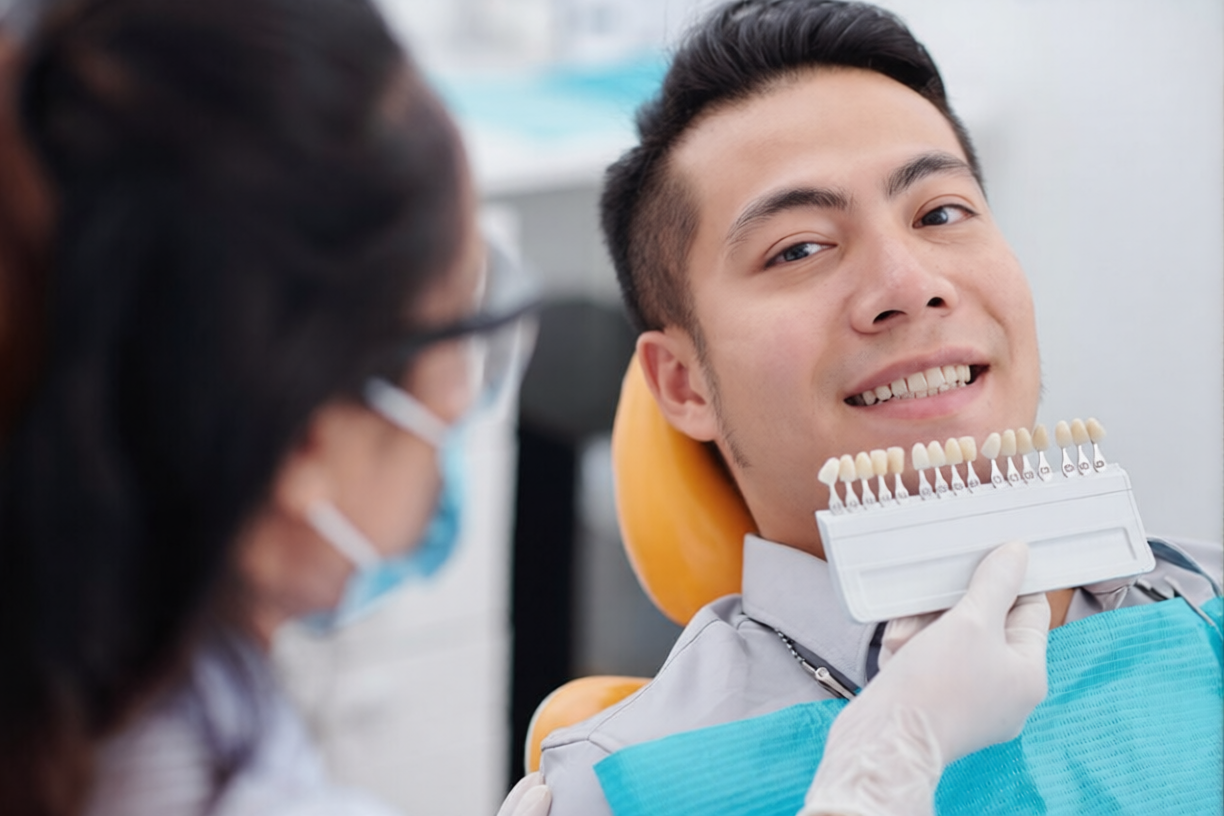


Veneers are a cosmetic dental option that many patients consider when looking to address concerns about the appearance of their teeth. Proper preparation can help support a smoother experience and allow your dental team to tailor care to your specific needs.
The veneer process involves multiple appointments over several weeks, and understanding what to expect at each stage can help you feel more prepared. This guide covers everything you need to know about preparing for veneers in Perth. You’ll learn about consultation preparation, health requirements, actions to take the week before, and essentials for appointment day.
- Gather your complete medical history, current medications list, and specific questions before your initial consultation appointment.
- Address any existing dental issues, such as cavities or gum disease, before veneer placement can proceed.
- Maintain proper oral hygiene and avoid heavily staining foods and beverages during the week leading up to your appointment.
- Complete any teeth whitening on non-veneered teeth before your veneers are colour-matched and fabricated.
- Eat a light meal beforehand, arrange transport if needed, and arrive at your appointment with comfortable clothing and any required documentation.
Understanding the Veneer Process Timeline
Veneers typically require two to three appointments over four to six weeks. This covers an initial consultation, tooth preparation with temporary veneer placement, and final veneer bonding. This multi-visit approach allows time for custom fabrication in a dental laboratory and gives you a chance to gradually adjust to your new smile.
The Three-Appointment Structure
- Appointment 1: Initial Consultation (30-60 minutes)
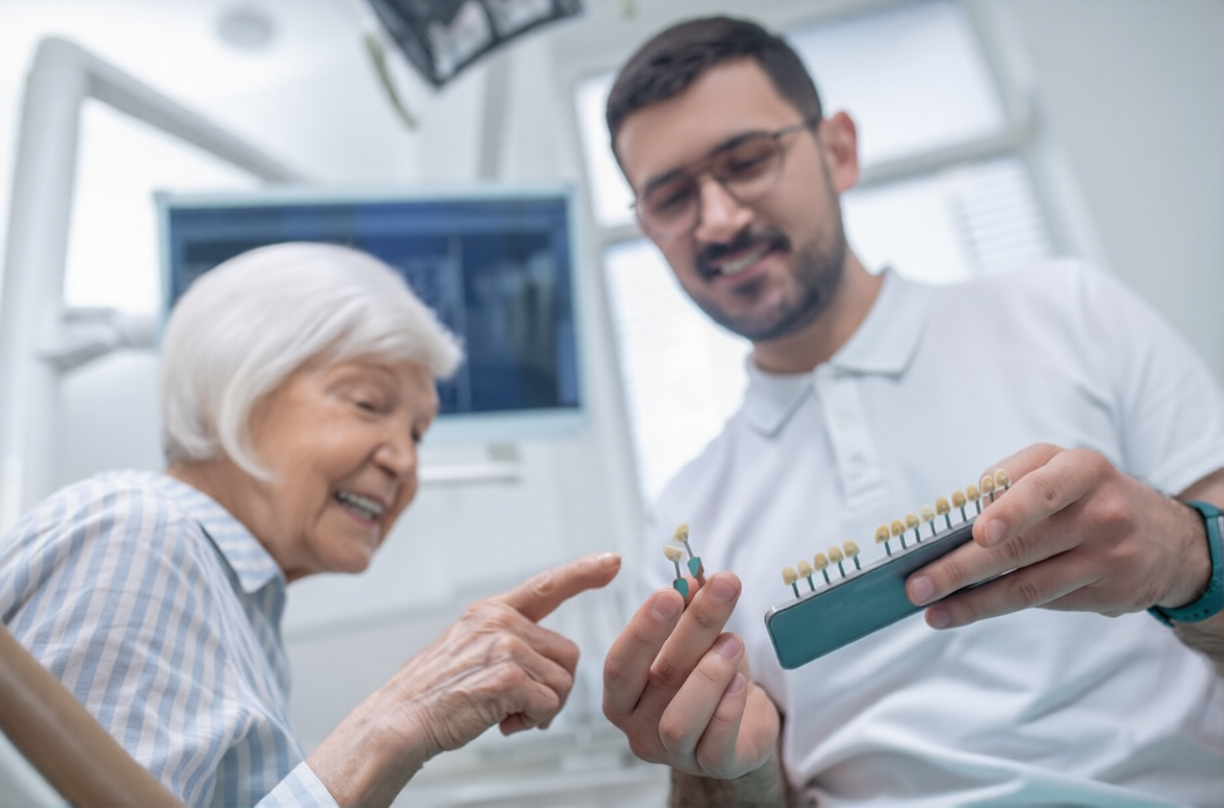
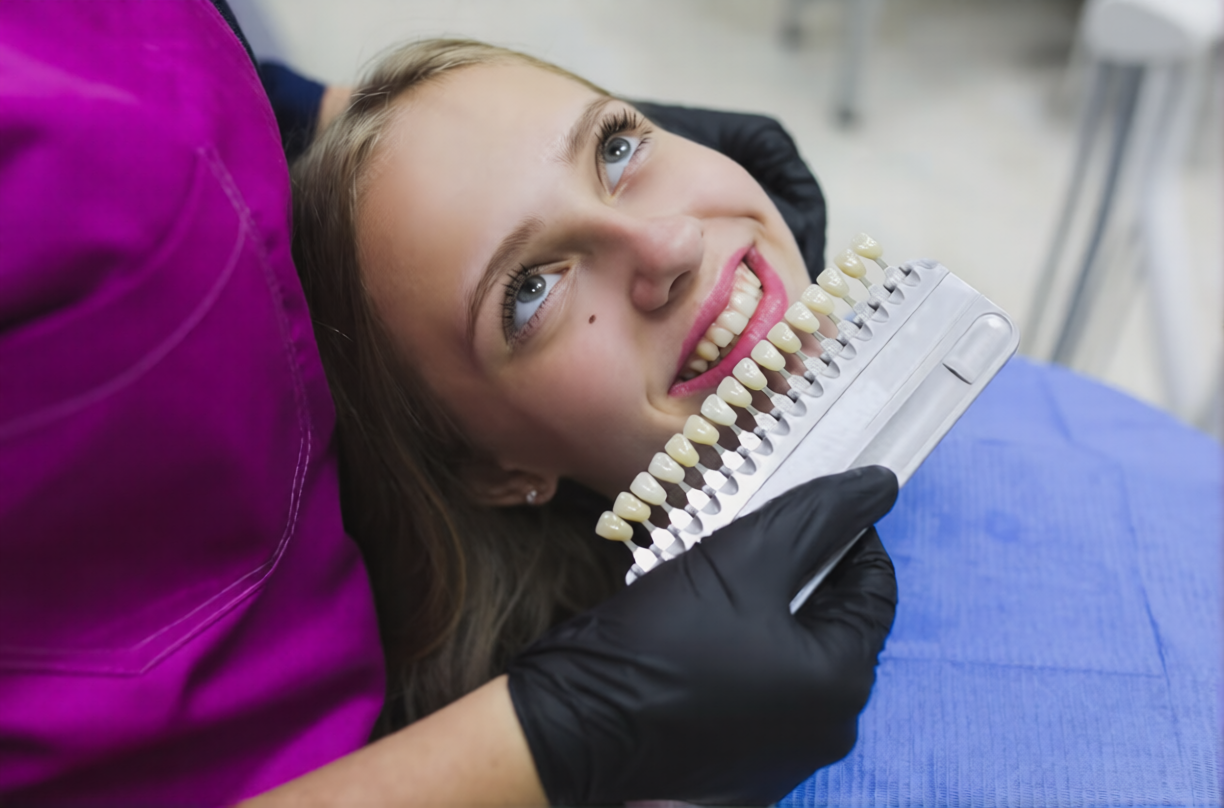
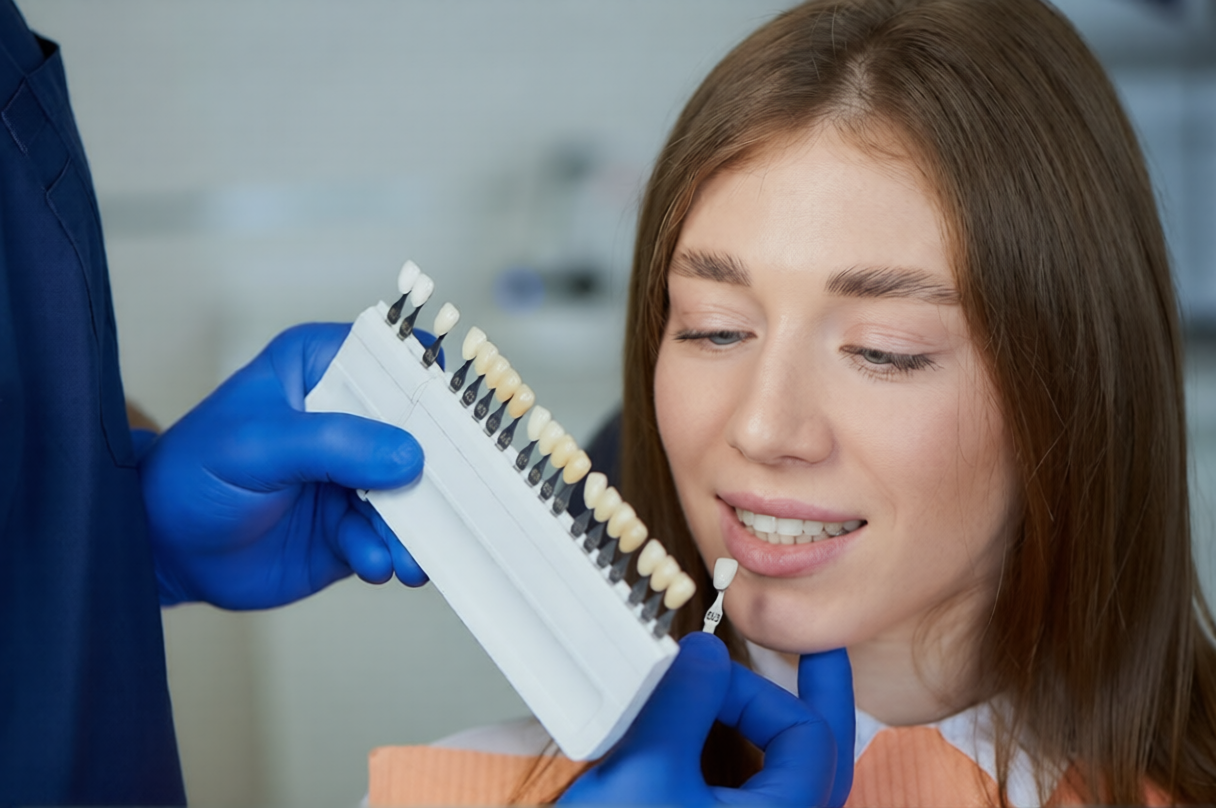
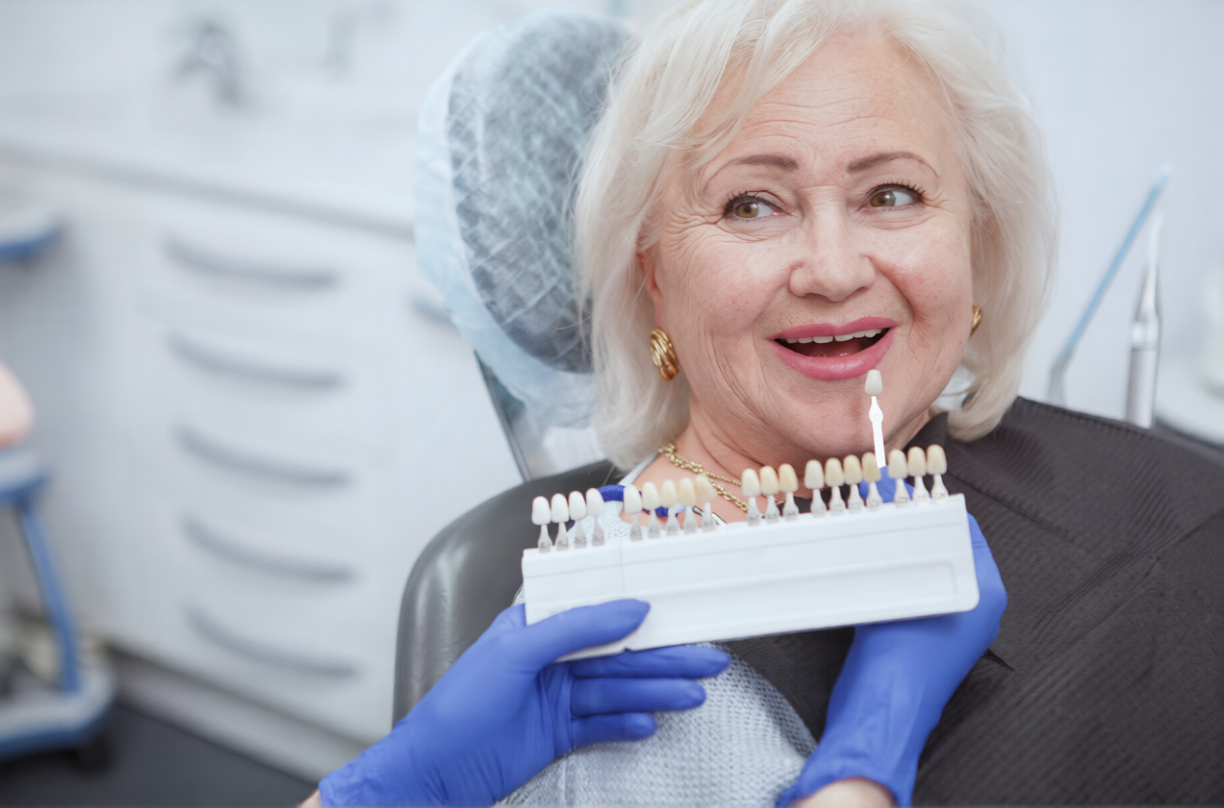
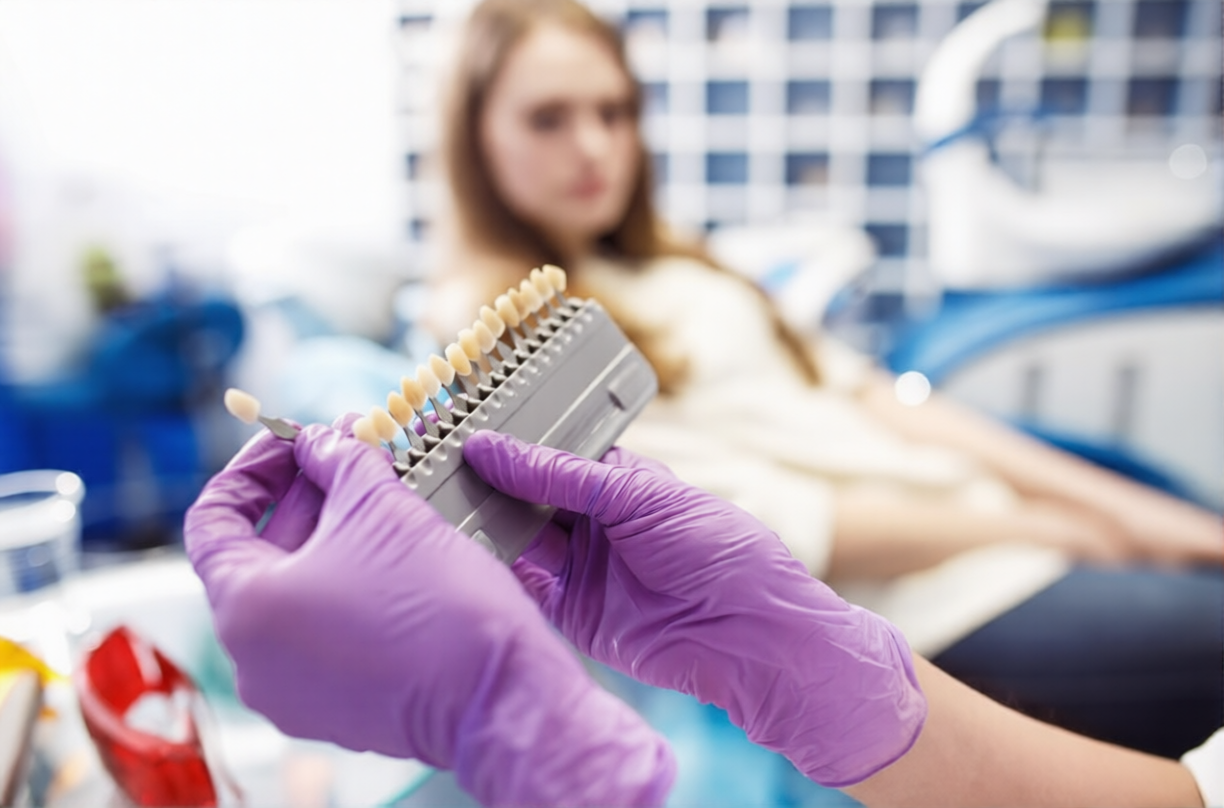
Your dentist examines your teeth and gums, takes photographs and possibly X-rays, discusses your cosmetic goals, and helps you select a shade for your veneers. Treatment planning happens during this visit, including determining how many veneers you may need and whether any preliminary dental work is required. - Appointment 2: Tooth Preparation and Temporaries (1-2 hours)
During this stage of the dental veneer process, your dentist removes a small amount of enamel from the teeth receiving veneers. Research shows that approximately 0.5mm of enamel is typically removed for porcelain veneers. Impressions are taken and sent to a laboratory for custom fabrication. Temporary veneers are placed to protect your prepared teeth and give you a preview of your new smile. - Appointment 3: Final Veneer Placement (1-2 hours)
The temporary veneers are removed, and your custom-made final veneers are carefully bonded to your teeth. Your dentist checks the fit, colour, and bite alignment before permanent placement.
According to Healthdirect Australia, multiple appointments are required for veneer placement, typically spanning 2-3 visits. The time between appointments allows for laboratory fabrication, which usually takes 2-3 weeks.
Why Multiple Appointments Matter
Custom veneers are fabricated in a dental laboratory by skilled technicians who create restorations matched to your natural teeth and facial features. Temporary veneers serve as a trial run, allowing you to experience the feel and appearance before final placement. This staged approach gives both you and your dentist time to make any necessary adjustments.
Tooth preparation for veneers involves enamel removal, which is irreversible. Any surgical or invasive procedure carries risks. Before proceeding, you should seek a second opinion from an appropriately qualified health practitioner.
Preparing for Your Initial Consultation
Your initial veneer consultation in Perth is the most important preparation step. Come with clear cosmetic goals, specific questions, and photos of smiles you admire. Bring complete medical history documentation and realistic expectations about what veneers can achieve for your individual situation.
What to Bring to Your Consultation
- A complete list of current medications and supplements you take regularly.
- Medical history details, particularly heart conditions, bone disorders, bleeding issues, or allergies to dental materials.
- Your health fund card, if applicable. Veneers are generally considered cosmetic and typically not covered by health funds or Medicare, but confirm with your provider before your veneer appointment.
- Photos or examples of smiles you find appealing, from magazines or saved images
- A list of questions and concerns you want to address
- Budget parameters, if cost is a consideration for your treatment planning
Questions to Ask Your Dentist
- Am I a suitable candidate for veneers based on my oral health and cosmetic goals?
- Would you recommend porcelain or composite veneers for my situation, and why?
- How many veneers will I need to achieve the outcome I’m hoping for?
- What happens to my natural teeth underneath the veneers over time?
- What are the risks and limitations I should understand before proceeding?
- What does aftercare involve, and will I need special maintenance routines?
- What’s the total investment, including all appointments and any preliminary work needed?
Setting Realistic Expectations
Veneers can address many cosmetic concerns, including discolouration, chips, gaps, and minor misalignment of teeth. They work well for reshaping worn or uneven teeth. However, they may not be suitable for addressing significant bite issues, severe misalignment that requires orthodontic treatment, or underlying dental disease. Your dentist will assess whether veneers are appropriate for your specific situation.
Research suggests porcelain veneers may last 10–15 years with proper care, though outcomes depend on individual factors, including oral hygiene, bite forces, and lifestyle. Composite veneers typically have a shorter lifespan of 5–7 years. Your dentist can discuss realistic expectations for your situation during the consultation.
Candidates must have good oral health before veneer placement, with any active decay or gum disease addressed first through appropriate dental treatment.
Medical and Dental Health Requirements
Good oral health is essential before receiving veneers, as they require a healthy foundation. Any active decay, gum disease, or infection must be managed first. Addressing these issues may take several weeks before veneer treatment can begin. Certain medical conditions and medications may also need discussion with your dentist to support appropriate treatment planning for your individual needs.
Pre-Treatment Dental Work
Your dentist may recommend addressing these issues before veneer placement:
- Professional cleaning (scale and polish) to remove plaque and tartar buildup
- Treatment of any cavities in the teeth receiving veneers or the surrounding teeth
- Gum disease management if inflammation or periodontal issues are present
- Root canal treatment may be required if a tooth receiving a veneer has an existing infection or irreversible pulpitis. Your dentist will assess this during your consultation.
- Possibly orthodontic treatment for severely misaligned teeth that veneers alone cannot address
Medical Conditions to Disclose
Your dentist needs to know about these conditions for appropriate treatment planning:
- Teeth grinding (bruxism) or jaw clenching, which may require a nightguard to protect veneers
- TMJ issues or jaw pain that could affect treatment
- Certain medical conditions, including some heart conditions, may require additional precautions before dental procedures. Your dentist will discuss any relevant considerations with you at your consultation
- Bleeding disorders or medications that thin your blood
- Pregnancy or breastfeeding status
- Allergies to dental materials, local anaesthetics, or latex
- Autoimmune conditions or medications that may affect healing
Medication Management
Continue taking your regular medications unless your dentist or GP instructs otherwise. Blood-thinning medications may require a discussion with your GP about a temporary adjustment. Antibiotics may be prescribed before treatment in some cases, particularly for patients with certain heart conditions. Your dentist will provide guidance specific to your health situation and individual needs.
Always defer to the dentist for individual medical advice. Your dentist will provide guidance specific to your health situation.
The Week Before Your Veneer Appointment
The week before your veneer appointment is all about setting yourself up for a smooth experience. Focus on keeping your teeth and gums healthy with regular brushing and flossing. Steer clear of foods and drinks that stain, like coffee and red wine. If you’re planning to whiten other teeth, now’s the time to discuss timing with your dentist.
Proper Oral Hygiene
Keep up your usual oral hygiene routine: brush twice daily with fluoride toothpaste and floss every day. You might want to add an antiseptic mouthwash to your routine to help reduce bacteria. Just be gentle when you brush, as scrubbing too hard can irritate your gums.
Dietary Considerations
Avoid heavily staining foods and beverages in the days leading up to your appointment, including coffee, tea, red wine, and berries. If you’ll be receiving temporary veneers, prepare softer food options for the following two to three weeks whilst wearing them. Stock your pantry with soft foods such as soups, smoothies, mashed potatoes, pasta, yoghurt, and soft bread.
Teeth Whitening Timing
If you’re planning to whiten any non-veneered teeth, this must be done before your veneers are created. Veneers are colour-matched to your current tooth shade and cannot be whitened afterwards. However, veneers themselves resist staining better than natural teeth. Discuss timing with your dentist, as whitening should typically be completed one to two weeks before impressions are taken.
Practical Arrangements
Clear your calendar for the appointment, allowing one to two hours for the procedure. If you’re receiving sedation or anxiety management, arrange transport home beforehand. It’s also worth planning for potential mild sensitivity afterwards, which is quite common. You may want to consider taking a day off work if you’re feeling nervous or if extensive treatment is planned.
If you’re getting temporary veneers placed, it’s a good idea to reschedule any important social events, as you’ll want time to adjust to how they feel and look. Some sensitivity and an adjustment period are normal experiences following tooth preparation and temporary veneer placement.
Day-Of Preparation Essentials
On the day of your veneer appointment, brush and floss your teeth thoroughly. You’ll also want to eat a light meal beforehand, as procedures can take one to two hours. Remember to bring any required documentation and wear comfortable clothing. It’s helpful to arrive slightly early so you can complete any necessary paperwork.
Morning Routine
Brush and floss your teeth thoroughly before leaving home. You’ll also want to skip lipstick or heavy lip products, as these will need to be removed during the procedure. Remember to take your regular medications with water unless your dentist has instructed otherwise.
What to Eat (or Not)
Eat a light meal one to two hours before your appointment if the procedure involves a local anaesthetic. You may not feel like eating immediately afterwards, whilst your mouth is numb. Avoid alcohol for 24 hours prior to your appointment. Also, limit excessive caffeine if you tend to feel anxious. Bring a water bottle for afterwards.
What to Bring
- Bring photo identification and your health fund card if applicable
- Have your list of current medications available if you haven’t already provided this information
- Bring sunglasses for leaving the clinic, as your eyes may be sensitive to light after extended time in the dental chair
- Earphones or music can help you relax if listening to something calming helps you feel comfortable
Comfort Measures
Wear comfortable, loose-fitting clothing to your appointment. You’ll also want to use the restroom before your procedure begins. Once you’re settled, communicate with your dentist about any anxiety you’re feeling, as options may be available to help you feel more comfortable. In the meantime, you might find it helpful to practise relaxation breathing techniques if you’re feeling nervous.
A local anaesthetic will be used during the procedure to minimise discomfort. Individual experiences vary, and your dentist will discuss what to expect at your appointment, including anaesthetic and comfort options available to you.
Frequently Asked Questions
Do I need to cease taking my medications before getting veneers?
Generally, you should continue taking your regular medications as prescribed. However, your dentist needs to know specifically about blood-thinning medications, immunosuppressants, or osteoporosis medications, as these may require special consideration. In some cases, particularly for patients with certain heart conditions, antibiotics may be prescribed before the procedure as a preventive measure.
Never discontinue taking prescribed medications without consulting your GP first. Your dentist will provide specific guidance for your medications based on your individual health situation and the planned treatment. Bring a complete list of all medications and supplements to your consultation.
Can I eat and drink before my veneer appointment?
Yes, you can and should eat a light meal one to two hours before your veneer appointment. The procedure can take one to two hours, and you may not feel like eating afterwards due to numbness from the local anaesthetic. This effect can last for two to three hours.
Avoid alcohol for 24 hours prior to your appointment, and steer clear of heavy or messy meals that could be uncomfortable. If sedation is planned for anxiety management, your dentist will provide specific fasting instructions that may differ from standard appointments.
After your appointment, you’ll need to stick to soft foods whilst wearing temporary veneers, avoiding anything hard, crunchy, or sticky that could dislodge them.
Should I whiten my teeth before getting veneers?
If you’re planning to whiten any teeth that won’t be receiving veneers, it must be done before your veneer treatment begins. Veneers are colour-matched to your current tooth shade during the consultation and impression appointments, and they cannot be whitened afterwards using traditional whitening treatments. Veneers themselves resist staining better than natural enamel, helping them maintain their colour over time.
Discuss timing with your dentist, as teeth whitening should typically be completed one to two weeks before impressions are taken, allowing the shade to stabilise. This timing allows your dentist to match your veneers to your newly whitened teeth for a consistent appearance across your smile.
What if I have a cavity or gum disease before my veneer appointment?
Active decay or gum disease may affect the longevity of veneers and can increase the risk of complications. Your dentist will assess your oral health during the consultation and discuss the most appropriate treatment sequence. This necessary preliminary treatment may delay your veneer timeline by several weeks, but addressing these issues first is essential for long-term success.
Your dentist will thoroughly assess your oral health during the consultation and create a treatment plan that addresses any underlying issues before proceeding with veneers.
How long will I have temporary veneers, and what can I eat with them?
Temporary veneers are typically worn for two to three weeks whilst your final veneers are being custom-fabricated in the dental laboratory. These temporaries are less durable than your final veneers, so you’ll need to take some dietary precautions during this period.
Stick to soft foods such as pasta, scrambled eggs, soft bread, cooked vegetables, and yoghurt. Avoid hard, crunchy, or sticky foods that could dislodge the temporaries, including nuts, hard lollies, ice, crusty bread, and caramel. Avoid biting directly into foods like apples or corn on the cob, and chew on your back teeth when possible.
Your dentist will provide specific care instructions for your temporary veneers at your preparation appointment.
Will my health fund cover the preparation appointments for veneers?
Veneers are generally considered cosmetic dentistry and are not covered by most health funds or Medicare in Australia. Some health funds may provide minor cover for the initial consultation, or partial cover if a structural issue exists alongside the cosmetic concern.
Each fund has different policies and levels of cover, so it’s important to check with your specific health fund provider before proceeding with treatment. Contact your health fund provider directly and ask about the item numbers for veneers and consultations.
Can I go to work after my veneer preparation appointment?
Most people can return to work the same day after their veneer preparation appointment, though you may prefer to take the afternoon off to allow your mouth to recover. You’ll have temporary veneers in place and will experience numbness from the local anaesthetic for two to three hours afterwards, which can affect speech slightly and make eating difficult.
Some people experience mild sensitivity or feel self-conscious whilst adjusting to the temporary veneers in their mouths. If you have meetings, presentations, or client-facing work scheduled, you might consider arranging your appointment for a day when you have a lighter workload afterwards.
Everyone’s comfort level differs, so plan according to what feels right for your situation and work requirements.
What happens if I’m nervous or anxious about the veneer procedure?
If you’re feeling nervous, the most important step is to let your dentist know. Your dental team is experienced in working with anxious patients and can discuss ways to support you during your appointment. Options will depend on your individual circumstances and will be discussed at your consultation.
There are also some simple techniques that can help. Deep breathing exercises can calm your nerves before and during the appointment. You might also want to bring music and earphones to help you relax. If you need to take breaks during the procedure, just let your dentist know.
Dental teams are experienced in working with anxious patients and aim to work at a pace that feels comfortable for you. There’s no need to rush through treatment if you’re feeling uncomfortable. Individual experiences vary, and your dental team will work with you to understand your specific concerns and find an approach that works for you.
Final Thoughts
Preparing for veneers in Perth involves several key stages. First, you’ll need thorough preparation for the consultation to address any health requirements. You’ll also want to take practical steps during the week before your appointment. Finally, following day-of essentials will help provide a smooth experience.
Veneers require multiple appointments and preparation time. Following these steps allows your dental team to plan care specific to your needs. Proper preparation allows your dental team to tailor care to your individual needs.
If you’re ready to take the next step, book a consultation at Enso Dental North Perth to discuss your individual preparation needs and treatment plan.
Individual results vary. A consultation is necessary to receive personalised advice about whether veneers are appropriate for your situation and what you can expect from treatment.
The information provided in this article is for general educational purposes only and should not be considered dental advice. Veneer treatment plans vary by individual. Please consult with a qualified dental professional at Enso Dental North Perth for advice specific to your circumstances.
Veneer treatment typically requires the removal of some natural tooth enamel, which is irreversible. Veneers may need replacement over time. Results depend on individual factors, including oral health, bite alignment, and care. A consultation is required to determine suitability.
Author: Dr. Ryan Moldrich, General Dental Practitioner, AHPRA Registration: DEN0001858998