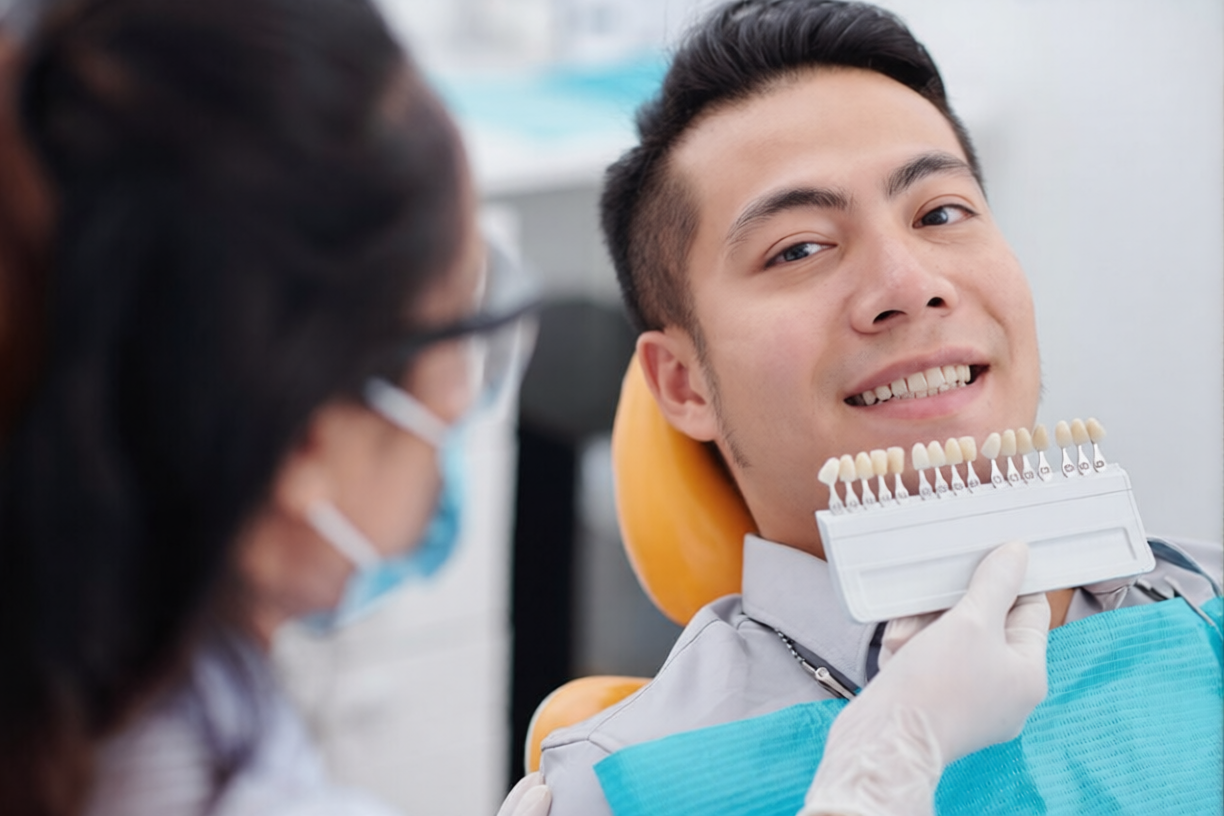


If you’ve ever felt self-conscious about crooked or gapped teeth, you are not alone. Many people find that minor alignment issues or spaces between teeth affect how they feel about their smile. Some may notice functional concerns, such as difficulty cleaning between teeth or uneven wear patterns.
Dental veneers represent one cosmetic dentistry option that may help address these concerns. These thin porcelain shells can improve the appearance of mild to moderate alignment issues and gaps, creating a more uniform smile. However, it is important to understand from the outset that veneers for crooked teeth are not suitable for everyone. A thorough assessment is needed to determine whether they’re an appropriate option for your individual situation.
This article walks you through what you need to know about using veneers to address crooked or gapped teeth. You’ll learn how veneers work, what happens at each appointment, the preparation and fitting process, and what factors may affect whether veneers are right for you. We’ll also discuss how veneers compare to orthodontic treatments, so you can approach your consultation with a clear understanding of your options.
Contents Navigation
- Summary of the Content:
- What Are Dental Veneers and How Do They Work?
- Are Veneers Right for Your Crooked or Gapped Teeth?
- Your First Appointment – Initial Consultation and Assessment
- What to Expect During Tooth Preparation
- How Your Custom Veneers Are Made
- The Final Appointment – Veneer Bonding and Placement
- Things to Consider Before Deciding on Veneers
- Final Thoughts
Summary of the Content:
- Dental veneers are thin porcelain shells bonded to the front surface of teeth that can improve the appearance of mild to moderate crooked teeth and gaps.
- Veneers work by masking alignment issues rather than repositioning teeth, which makes them different from orthodontic treatments like braces or aligners.
- The veneer process typically involves an initial consultation, tooth preparation where a thin layer of enamel is removed, custom veneer creation, and final bonding.
- Not everyone is a suitable candidate for veneers. Factors such as the severity of misalignment, available enamel, oral health status, and teeth-grinding habits all play a role.
- Understanding the veneer preparation and fitting process, including what happens at each appointment, helps you know what to expect if you decide to proceed.
- Comparing veneers vs braces helps clarify which approach might be more appropriate for your specific situation, as each addresses alignment concerns differently.
What Are Dental Veneers and How Do They Work?
Dental veneers are thin shells of porcelain or composite resin that are custom-made to bond to the front surface of your teeth. Most veneers are crafted from high-quality porcelain, which is stain-resistant and can mimic the natural translucency of tooth enamel.
When it comes to addressing crooked teeth or gaps, veneers work by improving the appearance of these issues rather than actually moving your teeth into new positions. This is an important distinction. Orthodontic treatments like braces physically reposition teeth by applying sustained pressure over time. Veneers for crooked teeth, on the other hand, create a cosmetic improvement by covering the front surface of teeth.
For people with mild to moderate alignment issues, dental veneers for gaps can help create the appearance of a straighter, more uniform smile. If you have small gaps between teeth, slightly rotated teeth, or minor overlap, veneers may address these concerns cosmetically.
Are Veneers Right for Your Crooked or Gapped Teeth?
Determining whether veneers are appropriate for your situation requires a thorough professional assessment, as individual factors vary considerably. Understanding who might be a suitable candidate can help you approach your consultation with realistic expectations.
Veneers may be an appropriate option if you have mild to moderate alignment issues that are primarily cosmetic. This might include slightly rotated teeth, small gaps between teeth, minor overlapping, or teeth that appear uneven in size or shape. Dental veneers for gaps work particularly well when the spaces between teeth are relatively small and don’t involve significant bite issues.
Several factors affect whether veneers might be suitable for you. First, you need sufficient enamel on your teeth. Good oral health is another important consideration. Active gum disease, unaddressed tooth decay, or other dental health issues must be addressed before considering veneers.
Realistic expectations are essential. Veneers can create significant cosmetic improvements, but they alter the appearance of your teeth rather than managing underlying orthodontic or structural issues. Comparing veneers vs braces helps illustrate the difference between these approaches. Braces and other orthodontic treatments physically move teeth into new positions, addressing both cosmetic and functional concerns.
Severe misalignment, significant bite problems, or major crowding typically require orthodontic intervention. Every case is individual, which is why a professional assessment is so important.
Your First Appointment – Initial Consultation and Assessment
Your first visit for veneers focuses on assessment and planning. This consultation gives you and your dentist the opportunity to discuss your concerns, evaluate whether veneers are suitable, and develop a treatment plan tailored to your needs.
During the initial appointment, your dentist will conduct a comprehensive examination of your teeth and gums. This includes checking your teeth’s health, assessing the amount of enamel available, and evaluating the alignment issues you’d like to address. The assessment will determine whether veneers are appropriate for your situation.
Diagnostic procedures may be involved in your assessment. Digital imaging helps document your current situation, and digital scans capture the shape and position of your teeth. These diagnostic tools provide valuable information for treatment planning.
The consultation is an opportunity to discuss your expectations and concerns openly. Your dentist needs to understand what you hope to achieve so they can assess whether veneers can deliver the results you are looking for. Be honest about your goals and any questions you have about the process.
Treatment planning is customised to your individual needs. Your dentist will explain what the veneer process would involve for you specifically, including how many teeth might need treatment. When appropriate, they should also discuss treatment alternatives, such as orthodontic treatment or other options, that might better suit your situation.
Questions you should consider asking during your consultation include:
- Am I a suitable candidate for veneers based on your assessment?
- How many teeth would need veneers to address my concerns?
- What alternatives exist for my specific situation?
- What does the process involve, and how long does it take?
- What are the risks and limitations I should be aware of?
Your consultation does not obligate you to proceed with treatment. This appointment is about gathering information, understanding your options, and allowing professional clinical judgment to determine whether veneers might be appropriate for you.
What to Expect During Tooth Preparation
Tooth preparation typically involves removing a thin layer of enamel from the front surface of the teeth receiving veneers, usually between 0.5 and 0.7 millimetres. This preparation is necessary to create space for the veneer and to provide a better surface for bonding. This enamel removal is irreversible. Once prepared, teeth will always require a covering, such as veneers or another restoration.
Local anaesthetic is typically used during tooth preparation to keep you comfortable throughout the process. After your teeth are prepared, your dentist will take impressions or digital scans. These capture the exact shape and size of your prepared teeth and are sent to a dental laboratory where your custom veneers will be created.
Temporary veneers protect your prepared teeth while your custom veneers are being made, typically over one to two weeks. Temporaries also give you a preview of what your new smile might look like. Since temporaries are not as strong as your final veneers, you’ll need to take some precautions, such as the following:
- Avoiding very hard or sticky foods that might dislodge the temporaries.
- Being careful when brushing around the temporary veneers.
- Avoid biting directly into hard foods with the temporarily covered teeth.
- Contact the dental clinic if a temporary comes loose or feels uncomfortable.
How Your Custom Veneers Are Made
The laboratory process begins with the impressions or digital scans taken during your veneer preparation and fitting appointment. These provide exact measurements and detailed information about the shape of your prepared teeth, the surrounding teeth, and how your upper and lower teeth come together when you bite.
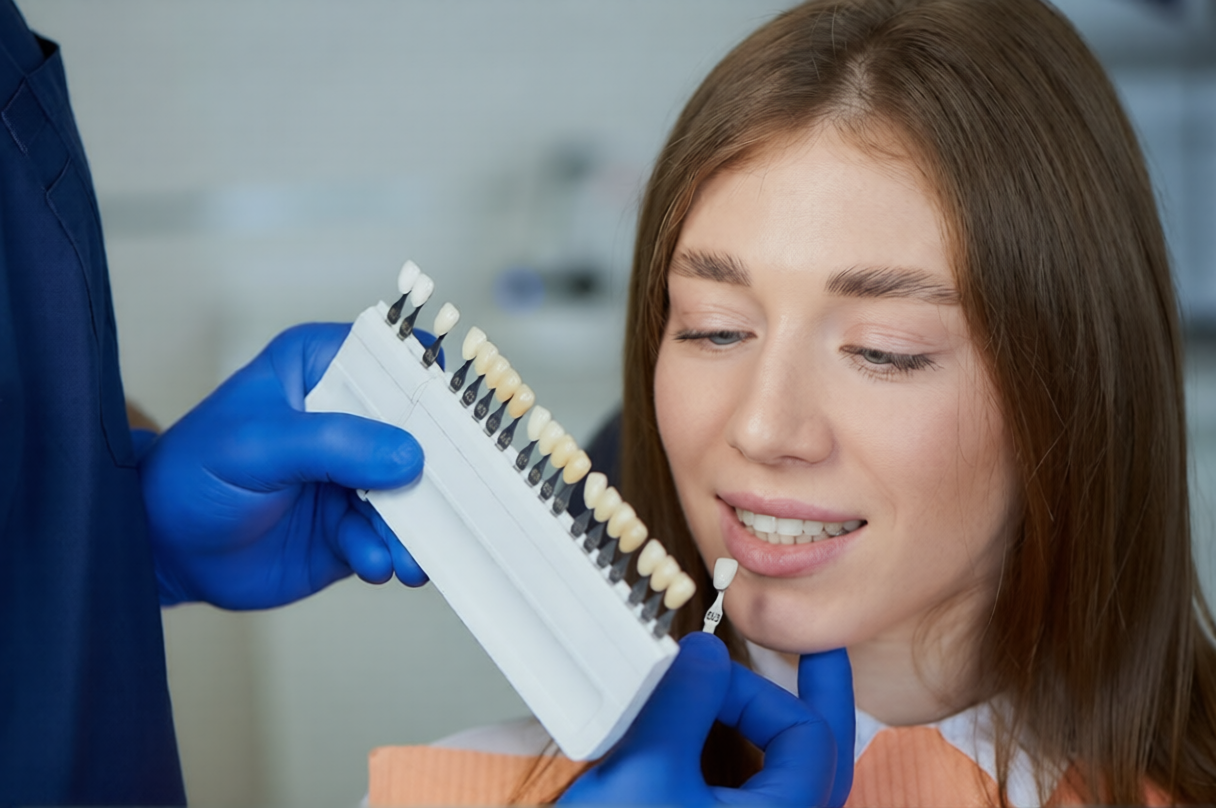
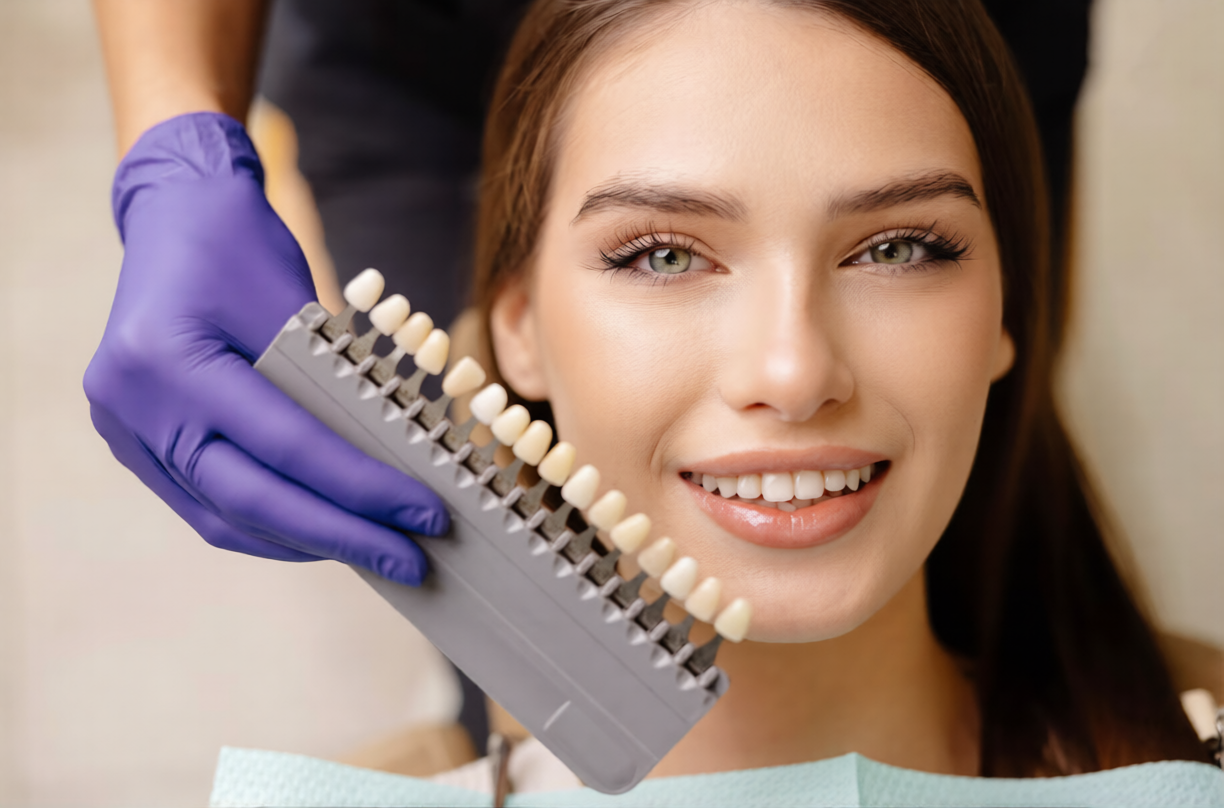
Laboratory technicians use these measurements to create veneers designed to address your specific concerns. Multiple factors are considered during the creation process. These include the colour of your surrounding teeth, the shade you’d like to achieve, the shape of your face and lips, and the appearance you’re hoping for.
High-quality porcelain materials are used to create veneers designed to mimic the natural translucency and light-reflecting properties of tooth enamel. Different shades and layers of porcelain may be used to create depth and natural variation.
The collaboration between your dentist and the laboratory technician is important for achieving results that match your expectations. Your dentist provides detailed instructions about the desired outcome, while the technician applies their skills to create veneers that meet these specifications.
Digital dentistry technologies may be used at various stages of this process. Some dental clinics use digital scanners instead of traditional impressions, which can provide highly accurate measurements.
The Final Appointment – Veneer Bonding and Placement
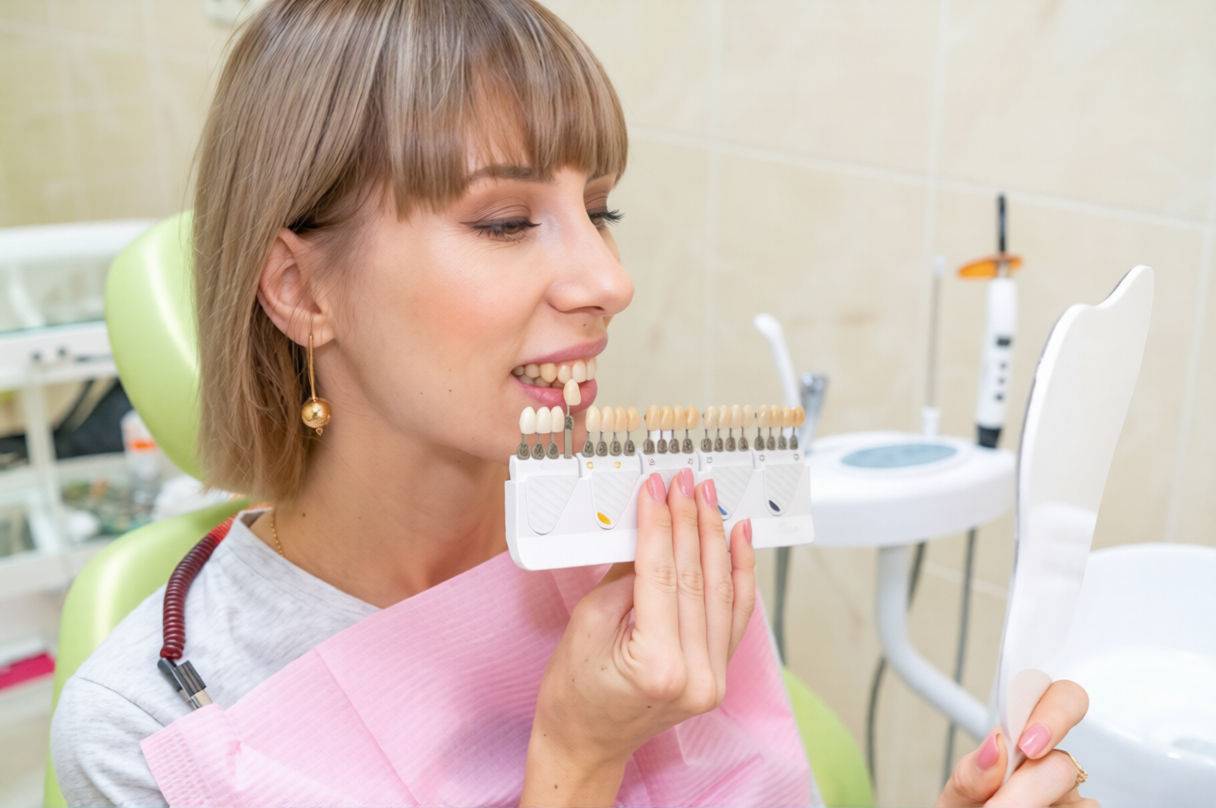
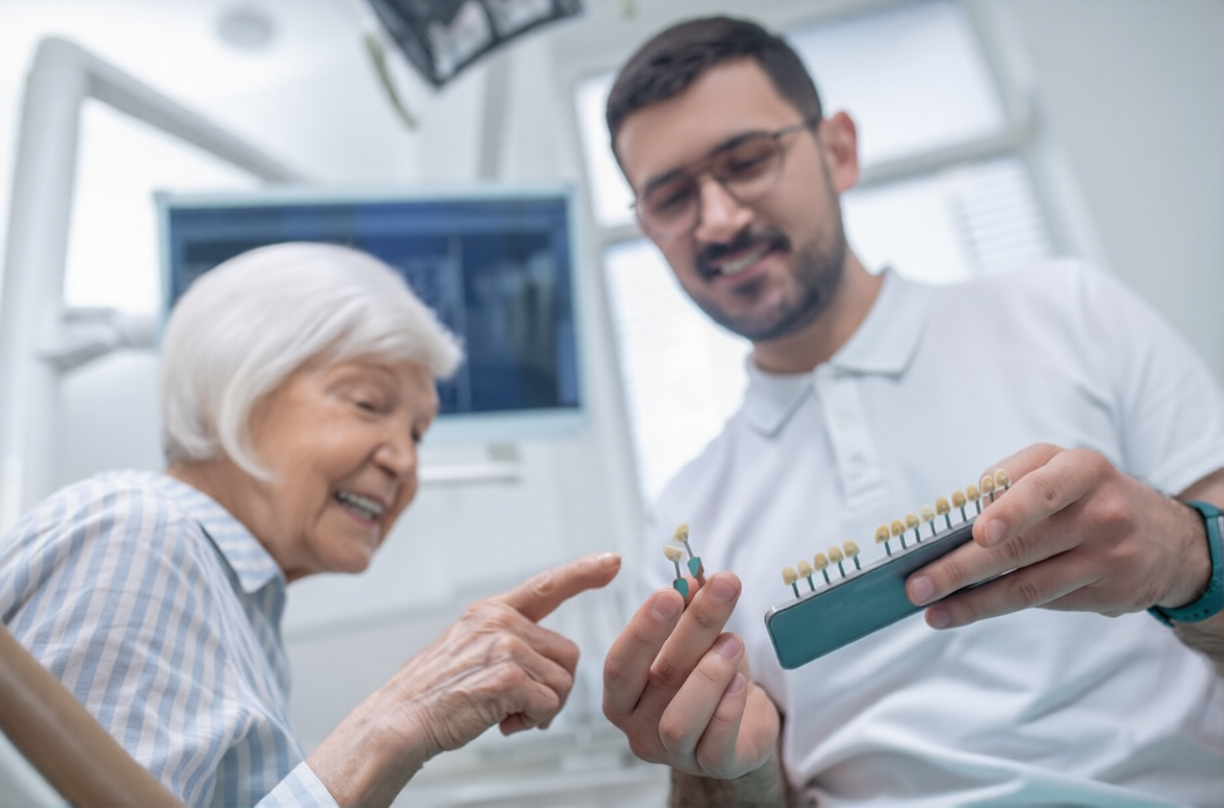
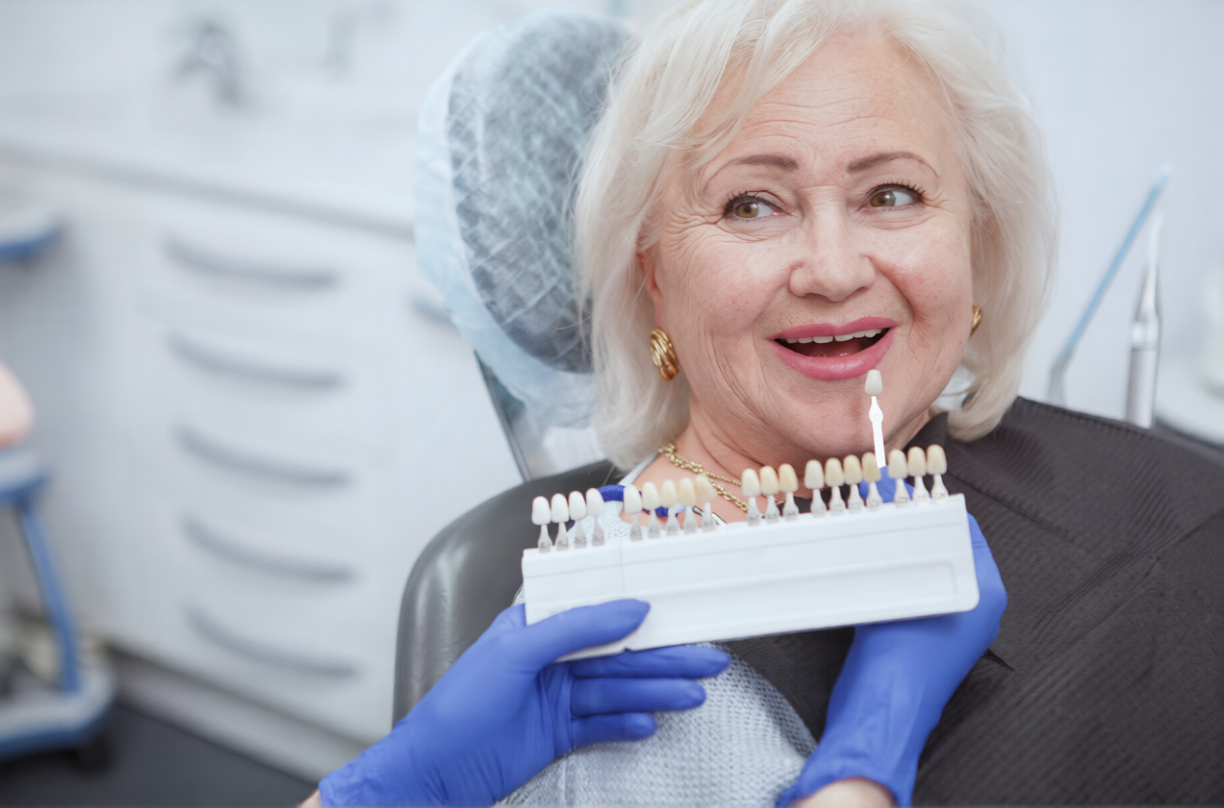
Your final appointment is when your custom veneers are bonded to your prepared teeth. The appointment begins with the removal of your temporary veneers and a thorough cleaning of your prepared teeth. Before bonding occurs, your dentist will try on your new veneers to verify their colour and fit. Your dentist will check that the colour looks natural, the fit is precise, and your bite feels comfortable.
Once you and your dentist are satisfied with the appearance and fit, the bonding process begins. Your prepared teeth are etched with a mild acidic mixture to create a slightly rough surface, which improves bonding. A bonding adhesive is applied to your prepared teeth, and special dental cement is placed on the inner surface of each veneer.
The veneer is carefully positioned on the prepared tooth, and a special light is used to harden the cement. Excess cement is removed, and the margins are polished to create smooth transitions. After all veneers are bonded, your dentist will check your bite and make any necessary adjustments. Final polishing gives your veneers a smooth, natural-looking surface.
Individual experience varies when it comes to adjusting to new veneers. Some people feel completely comfortable within hours, while others need a short settling period. Your mouth may feel slightly different for a few days, and you may experience temporary sensitivity to temperature changes, though this typically improves within a week or two. If you experience significant discomfort or concerns about the fit, contact your dental clinic.
Things to Consider Before Deciding on Veneers
Before proceeding with veneers, several important factors deserve careful consideration. Here are the key aspects that can help you make an informed decision about whether veneers are the right choice for your situation.
- Realistic expectations about results:
Veneers can create significant cosmetic improvements in the appearance of crooked or gapped teeth, but they alter how your teeth look rather than changing their underlying structure. If you’re hoping for functional changes, such as improvements in bite alignment or management of jaw discomfort, orthodontic treatment might be more appropriate. - Irreversibility of enamel removal:
Once your teeth are prepared for veneers, they will need to be covered with veneers or another type of restoration indefinitely. While veneers can last many years with proper care, you’ll eventually need to replace them, which means a long-term commitment. - Individual variation in outcomes:
Some people experience no sensitivity after placement, while others have temporary sensitivity that improves over time. Understanding that your experience may differ from others’ helps you approach treatment with appropriate expectations. - Cost is a significant factor:
Veneers are a significant investment, and addressing multiple teeth to achieve a balanced, natural appearance increases the overall expense. While some health funds may provide partial cover for certain aspects of treatment, cosmetic procedures typically receive minimal or no benefits. - Alternative treatment options:
Orthodontic treatments can address both cosmetic and functional concerns, while tooth bonding can improve minor gaps without removing as much enamel. Your dentist should discuss alternatives when they might better serve your needs. - Experience of your dental practitioner:
The veneer process requires technical skill in tooth preparation and artistic judgment in creating natural-looking results. Seeking a second opinion is your right and can provide a valuable perspective if you’re uncertain whether veneers are appropriate for your situation or if you want another professional’s assessment.
Final Thoughts
Veneers for crooked teeth offer a cosmetic approach to improving the appearance of mild to moderate alignment issues and gaps. The process involves multiple appointments, including consultation, tooth preparation, and final bonding, with custom veneers created specifically for your teeth.
A professional assessment is essential to determine whether veneers are appropriate for your situation. We encourage you to research thoroughly and ask questions during your consultation to support informed decision-making.
If you’re considering dental veneers for gaps or alignment concerns, booking a consultation is the next step. At Enso Dental, we’re here to discuss your concerns and answer any questions you have about veneers or other treatment options.
Any surgical or invasive procedure carries risks. Before proceeding, you should seek a second opinion from an appropriately qualified health practitioner.