

There’s a moment many people know well—looking in the mirror and noticing one tooth that seems to stand out from the rest. Perhaps it’s chipped from an old accident, noticeably darker than its neighbours, or just shaped a bit differently. You’re not alone in wondering whether you need to address your entire smile or if it’s possible to focus on just that one troublesome tooth. Many patients ask, “Can I get a veneer on just one tooth, or do I need to do multiple teeth at once?”
The short answer is yes—a single tooth veneer is absolutely possible and can be an effective approach in the right circumstances. Veneers are thin shells, typically made from porcelain or composite resin, that are carefully bonded to the front surface of teeth to improve their appearance. When only one tooth presents a cosmetic concern and the surrounding teeth are healthy and well-aligned, addressing just that individual tooth may be the most appropriate option.
Throughout this article, we’ll answer the key questions you might have about getting a single tooth veneer. We’ll explore when this approach is typically recommended and what factors you should consider before proceeding. You’ll also learn what the treatment process involves and what alternatives might be worth discussing with your dentist.
We’ll also cover practical topics like maintenance and help you understand whether you might be a suitable candidate for this targeted cosmetic treatment. By the end, you’ll have a clearer picture of whether a single tooth veneer could be the right option for your specific dental concern.
Contents Navigation
- Summary of the Content:
- What Is a Single Tooth Veneer?
- Common Scenarios Where Single Tooth Veneers May Be Recommended
- Key Factors to Consider Before Getting a Single Tooth Veneer
- What to Expect During the Single Tooth Veneer Process
- Alternative Treatments for Single Tooth Concerns
- Understanding the Cost of a Single Tooth Veneer
- How to Care for a Single Tooth Veneer
- Maintaining Veneer Quality as You Age
- Are You a Candidate for a Single Tooth Veneer?
- Final Thoughts
Summary of the Content:
- Single tooth veneers are thin shells bonded to the front of an individual tooth to address cosmetic concerns like chips, discolouration, or irregular shape.
- Single tooth veneers may be appropriate when one tooth has isolated damage or discolouration and surrounding teeth are healthy and well-aligned.
- Colour matching with natural teeth, tooth preparation requirements, and long-term maintenance are key factors to evaluate before treatment.
- The treatment process generally involves an initial consultation, a tooth-preparation appointment, and final veneer placement over two to three weeks, with custom laboratory fabrication.
- Dental bonding, crowns, whitening, or orthodontic treatment may be more suitable alternatives, depending on your specific tooth concern and overall goals.
- Individual tooth veneer costs vary based on material type, case complexity, and other factors. A consultation provides personalised cost information.
- Professional evaluation is necessary to determine whether you’re a suitable candidate based on your oral health, tooth structure, and expectations.
What Is a Single Tooth Veneer?
A single tooth veneer is a thin shell of material that’s custom-made to cover the front surface of one individual tooth. It is designed to improve its appearance when the tooth differs noticeably from the surrounding teeth. Unlike full veneer treatments that address multiple teeth across your smile, a one-tooth veneer focuses specifically on one tooth, whilst leaving the rest of your natural teeth untouched.
Veneers are typically made from one of two main materials. Porcelain veneers are crafted in a dental laboratory from high-quality ceramic material that closely mimics the light-reflecting properties of natural tooth enamel. Composite veneers are made from tooth-coloured resin material that can be applied directly on the tooth or fabricated in a laboratory.
Patients typically consider a one-tooth veneer when they have specific concerns affecting just one tooth. Common scenarios include the following:
- Chipped or cracked tooth:
A tooth that’s been damaged from an injury, accident, or biting down on something hard may benefit from veneer treatment. - Discolouration that doesn’t respond to whitening:
Root canal treatment, certain medications, or internal trauma can cause one tooth to appear noticeably darker than the others. - Slight misalignment or shape irregularity:
Some people have one tooth that’s slightly smaller, differently shaped, or positioned compared to the rest of their teeth. - Gap between specific teeth:
A noticeable space between two particular teeth can be addressed with a veneer on one or both teeth. - Worn tooth:
A tooth that’s become worn down over time from grinding, clenching, or natural wear may prompt someone to explore veneer options.
The basic process for getting a veneer typically involves several key steps:
- Initial consultation:
Your dentist examines your tooth, discusses your goals, and plans your treatment. - Tooth preparation:
A thin layer of enamel is carefully removed to make room for the veneer. - Impression or digital scan:
This captures your tooth’s exact specifications so a custom veneer can be created to match your needs. - Veneer bonding:
Once ready, the veneer is carefully bonded to your prepared tooth using a special dental cement.
A single porcelain veneer, in particular, requires laboratory fabrication time but typically offers colour-matching capabilities and natural translucency that blend seamlessly with your existing teeth.
Common Scenarios Where Single Tooth Veneers May Be Recommended
Single tooth veneers may be appropriate when a specific tooth presents a cosmetic concern, whilst the surrounding teeth remain healthy and aesthetically pleasing. Understanding when this targeted approach makes sense can help you determine whether it might be suitable for your situation.
- Isolated tooth damage:
If you’ve experienced a sports injury, accident, or bitten down on something hard, the resulting chip or crack might affect just one tooth. When the damage is primarily cosmetic rather than structural, and the surrounding teeth are undamaged, addressing that single tooth with a veneer can be a practical approach. - Single discoloured tooth:
A tooth that’s undergone root canal treatment may darken over time from the inside. Certain medications or trauma can cause one tooth to develop internal discolouration that doesn’t respond to external whitening treatments. In these cases, a one-tooth veneer can help address the colour discrepancy and create a more uniform appearance across your smile. - Minor cosmetic concerns:
If there’s a problem with one tooth, it might be slightly smaller, differently shaped, or positioned compared to its neighbours. Perhaps one lateral incisor is naturally peg-shaped, or one front tooth is slightly rotated, while the others are straight. When the variation is subtle and limited to one tooth, a veneer can help create better harmony across your smile. - When surrounding teeth are healthy and well-aligned:
The condition of your surrounding teeth plays an important role in determining whether a single tooth approach is appropriate. When the teeth on either side of the problematic tooth are healthy, well-aligned, and aesthetically pleasing, treating just the one tooth makes good sense. - Patient preference for conservative treatment:
Some patients prefer a conservative treatment approach and want to address only what’s necessary rather than treating multiple teeth. This can be a valid consideration when one tooth genuinely stands out, and the rest of your smile is something you’re happy with. Partial veneer treatment, focusing on just the tooth or teeth that concern you, respects your preference for minimal intervention whilst still addressing your aesthetic goals.
It’s important to understand that the recommendation for a single tooth veneer depends entirely on your dentist’s assessment. Several factors influence whether this approach is likely to provide the results you’re hoping for:
- Overall smile aesthetics:
Your dentist will consider how one tooth fits into the bigger picture of your smile. - Condition of surrounding teeth:
They’ll evaluate whether surrounding teeth are likely to remain stable and unchanged over time. - Bite alignment:
Uneven forces from bite issues can affect how long a veneer lasts. - Your expectations and goals:
What you hope to achieve matters in treatment planning. - Long-term smile goals:
Whether this is an isolated concern or you might want additional cosmetic work in the future.
A professional consultation is necessary to determine whether a single tooth veneer may be appropriate for your situation, as individual circumstances vary considerably.
Key Factors to Consider Before Getting a Single Tooth Veneer
Before moving forward with a single tooth veneer, several important factors deserve careful consideration. Understanding these elements can help you make an informed decision and set realistic expectations about the treatment.
Colour Matching Challenges
Colour matching is perhaps one of the most critical considerations when placing a veneer on just one tooth. The veneer needs to blend seamlessly with your surrounding natural teeth so it doesn’t stand out or look artificial.
A single porcelain veneer offers potential for precise colour matching. Porcelain can be layered and customised to replicate the subtle colour variations, translucency, and light-reflecting properties of natural tooth enamel. However, natural teeth aren’t all uniform. They often have slight variations in shade, and these nuances need to be captured in your veneer for it to look natural.
One consideration is that whilst your veneer will maintain its colour over time, your natural teeth may continue to age, potentially accumulating stains from coffee, tea, red wine, or other sources. This means that over the years, the colour relationship between your veneer and natural teeth might shift slightly. Your dentist’s experience and skills in shade selection play an important role in choosing a colour that will integrate well with your existing teeth, both now and in the future.
Tooth Preparation Requirements
Tooth preparation requirements are another factor to understand before committing to a veneer. Placing a veneer typically involves removing a thin layer of enamel from the front surface of your tooth—usually around 0.5 millimetres, though the exact amount varies. This preparation is necessary to create space for the veneer material so your tooth doesn’t end up looking or feeling bulky.
It’s important to know that this process is irreversible. Once enamel is removed, that tooth will likely need some form of restoration (whether a veneer, crown, or other treatment) for the rest of your life. The amount of preparation required can vary based on the type of veneer you choose, the current condition and position of your tooth, and the specific technique your dentist uses.
Longevity and Maintenance
Veneers typically last 10 to 15 years with appropriate care, though longevity varies based on individual factors such as your bite force, oral hygiene habits, and lifestyle. Veneers may require replacement eventually due to normal wear, changes in the underlying tooth, or damage. The good news is that caring for a veneer requires the same practices as caring for natural teeth—regular brushing, daily flossing, and routine dental check-ups.
Certain habits can potentially damage veneers, including biting down on hard objects like ice or hard lollies, using your teeth to open packages, or biting your fingernails. Being mindful of these habits can help extend the life of your veneer.
Aesthetic Integration
For a single tooth veneer to look natural, it must blend seamlessly with your natural teeth in shape, size, texture, and translucency. The way light passes through the veneer should be similar to how it passes through your natural teeth. The surface texture should match—not too glossy or too matte. The contours and proportions need to harmonise with the adjacent teeth.
Modern ceramic materials, along with an experienced cosmetic dentist, can help achieve this level of natural appearance. But it’s a nuanced process that requires both technical skill and artistic judgment.
Future Smile Changes
If you plan to whiten all your teeth or place veneers on multiple teeth, your single veneer may need to be redone. This doesn’t mean you shouldn’t get a single veneer now if that’s what addresses your current concern. But it’s worth thinking about your long-term smile goals and discussing them with your dentist during treatment planning. This conversation can help you make decisions that align with both your immediate needs and your future aspirations for your smile.
What to Expect During the Single Tooth Veneer Process
Understanding what happens during the veneer process can help you feel more prepared and comfortable with your treatment. The process typically unfolds across multiple appointments, each serving a specific purpose in creating your custom veneer.
Initial Consultation
Your treatment begins with a comprehensive dental examination, during which your dentist evaluates the tooth in question and your overall oral health. This appointment is your opportunity to discuss your specific concerns and what you’re hoping to achieve. Your dentist will assess not just the problematic tooth but also the condition and appearance of the surrounding teeth. These will influence treatment planning and shade selection.
Digital imaging or photographs may be taken to document your current tooth appearance and assist in treatment planning. These images also help communicate with the dental laboratory that will craft your veneer. During this consultation, your dentist will discuss whether a single tooth veneer is appropriate for your situation or whether alternative treatments might be more suitable.
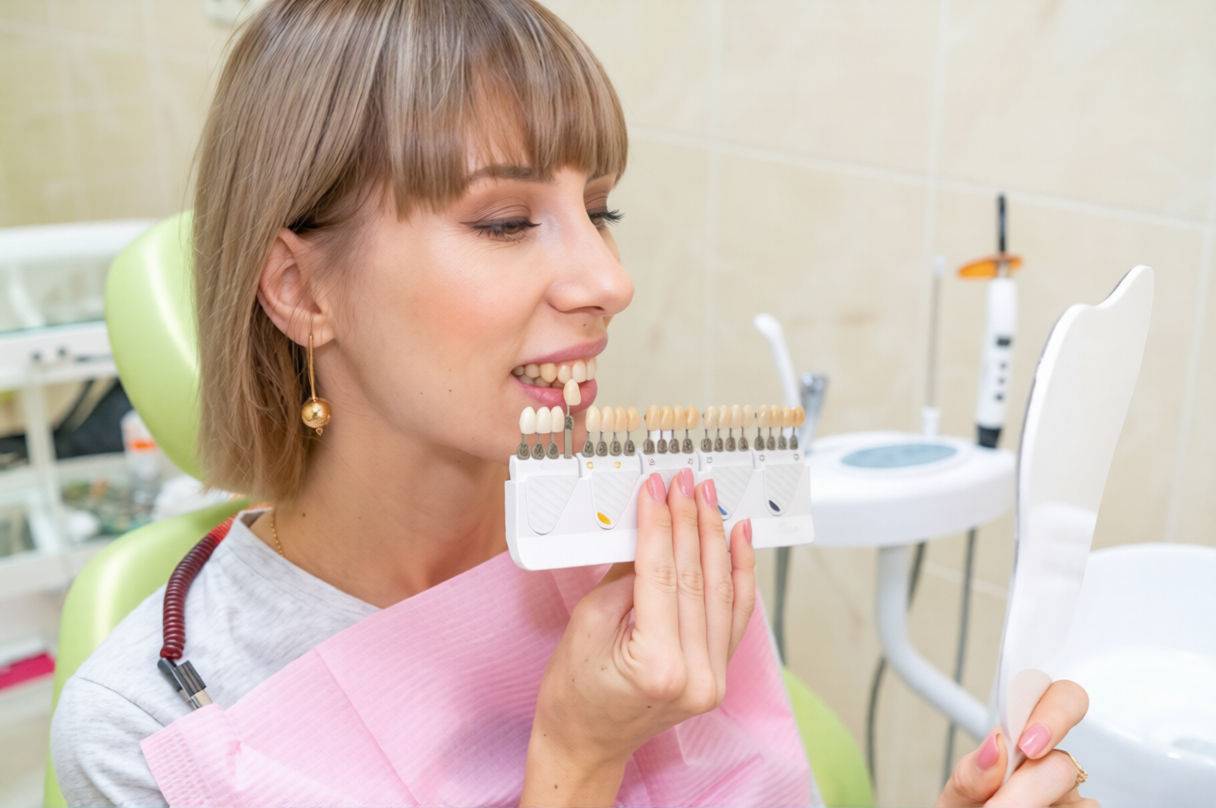
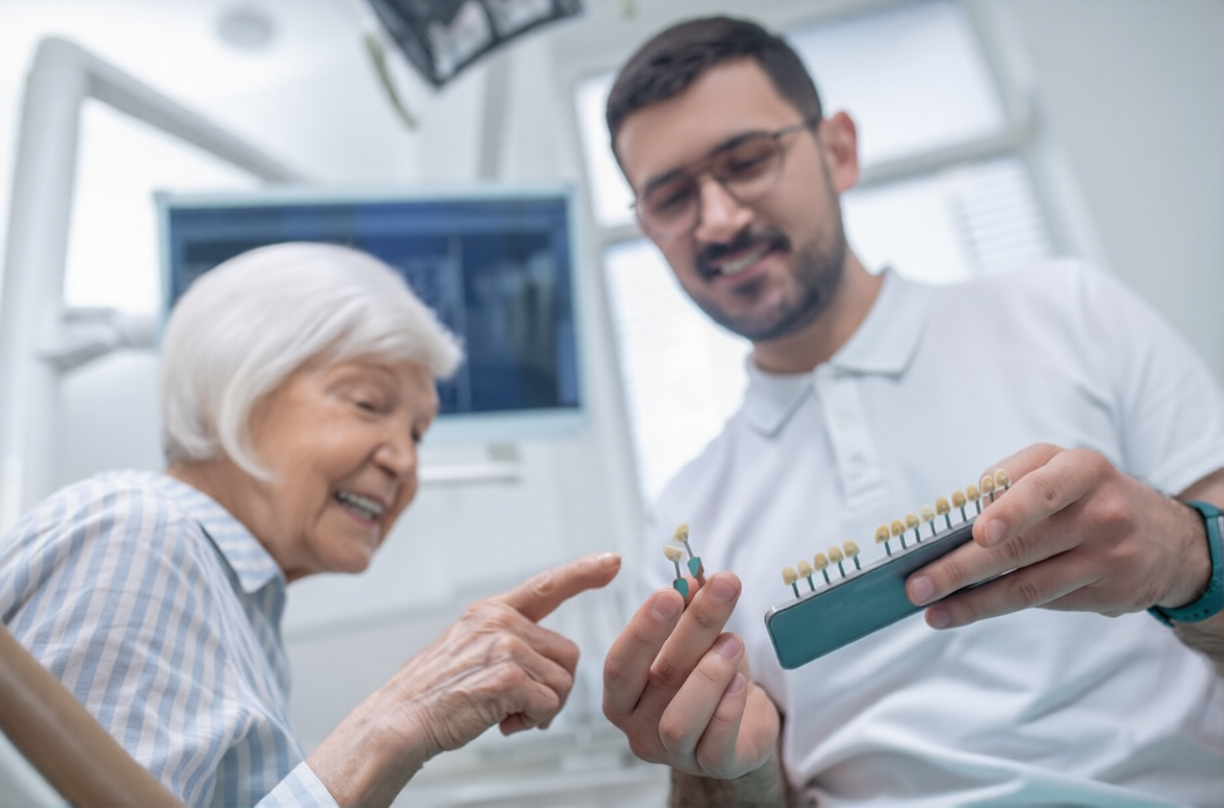
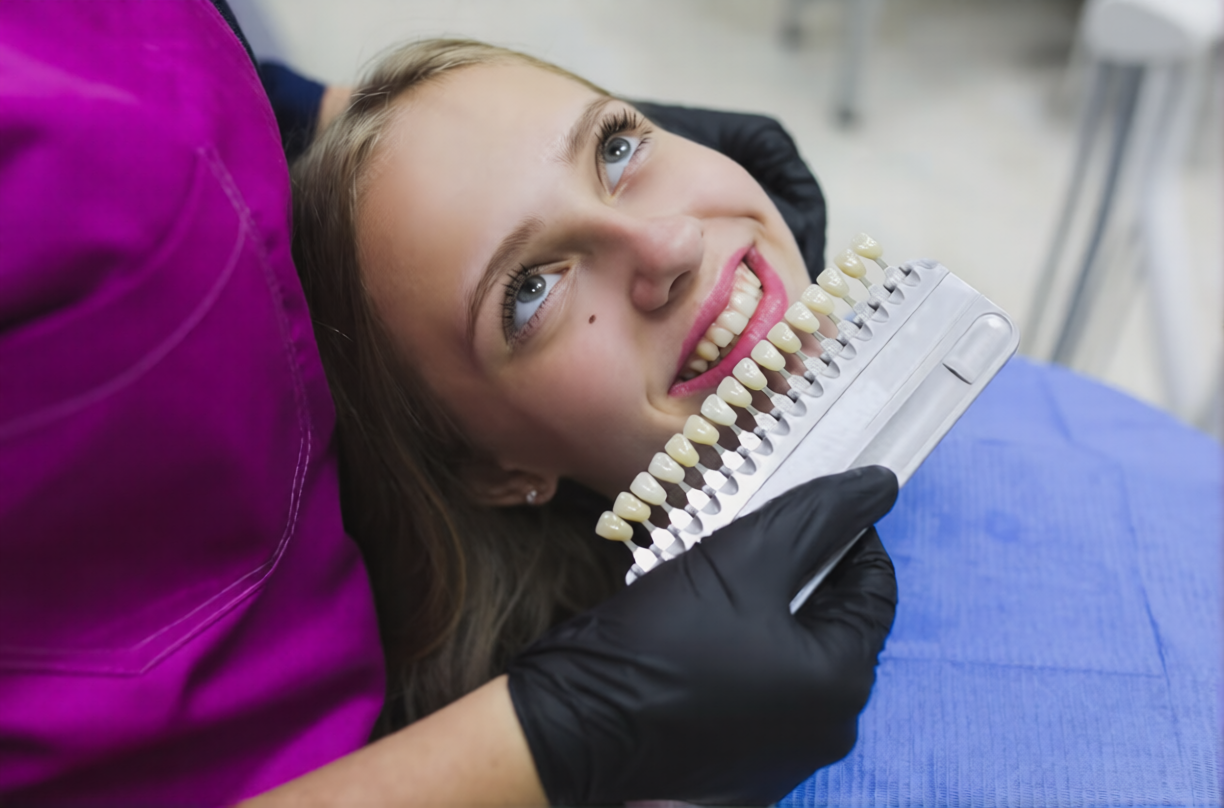
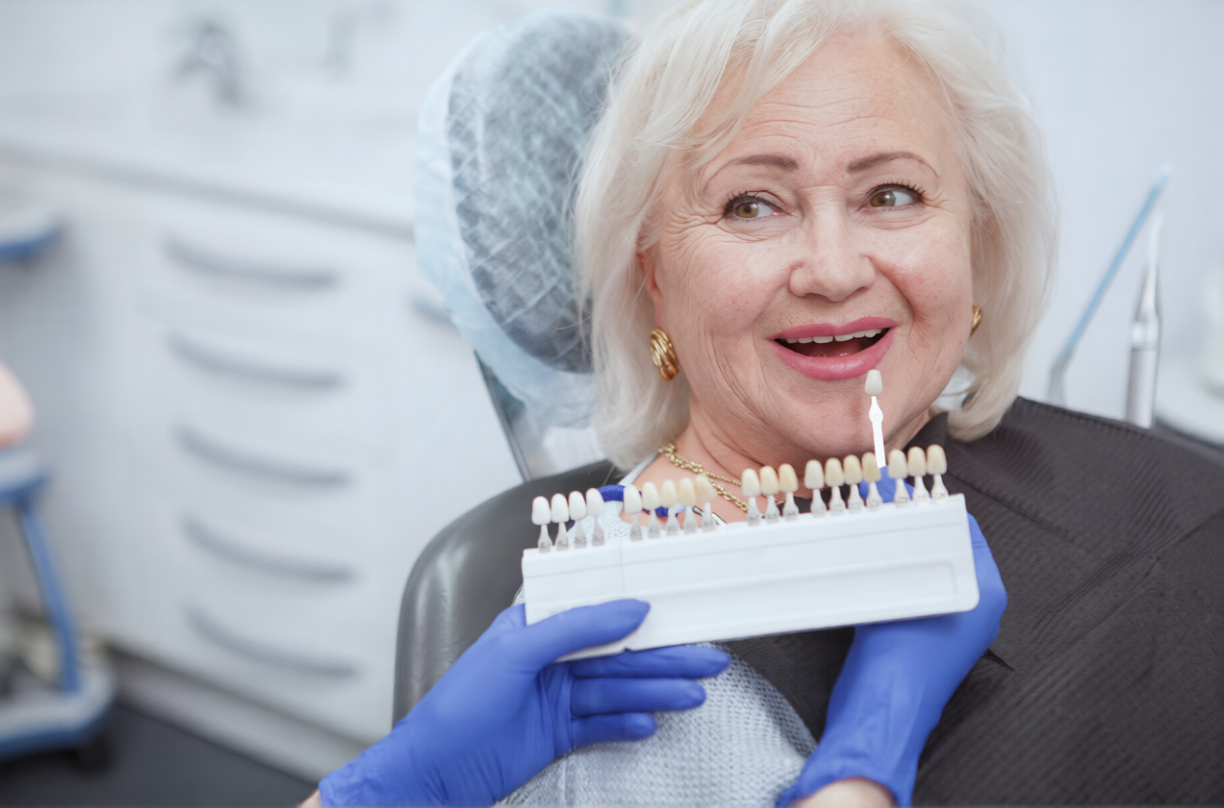
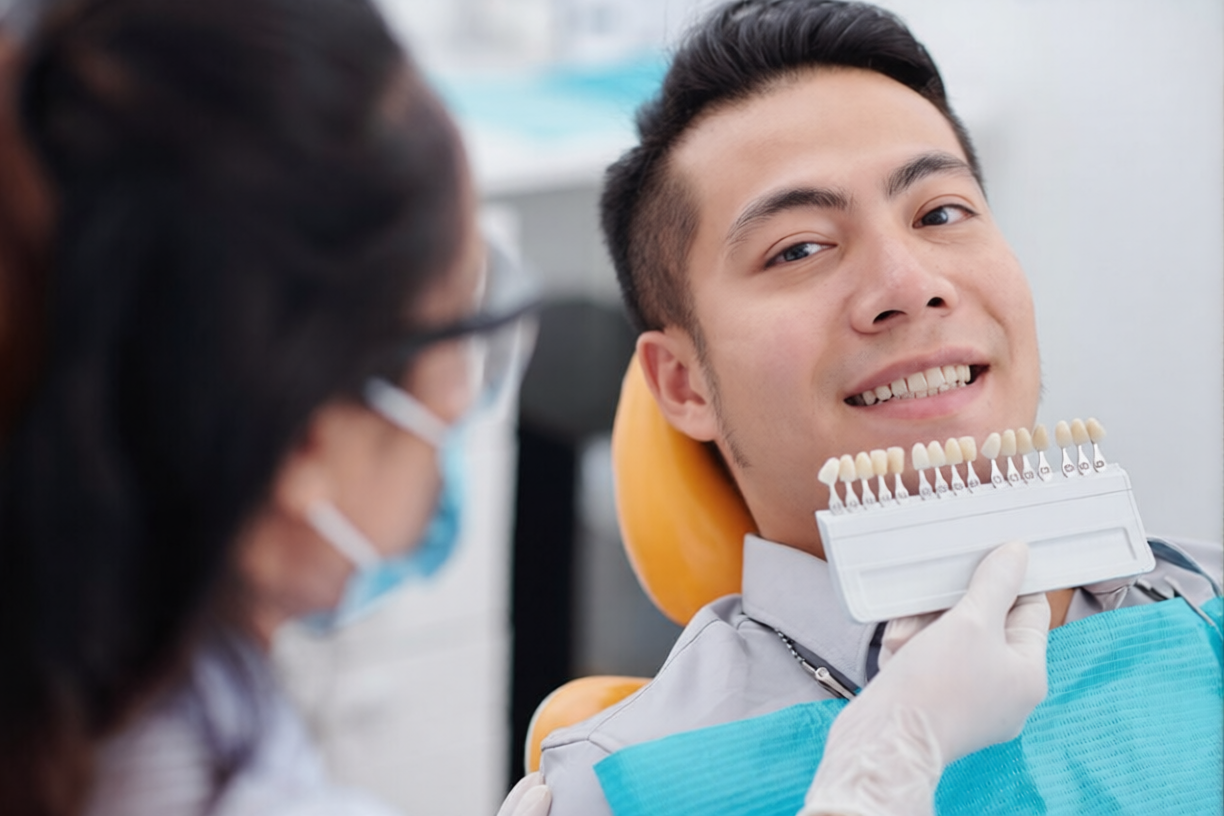
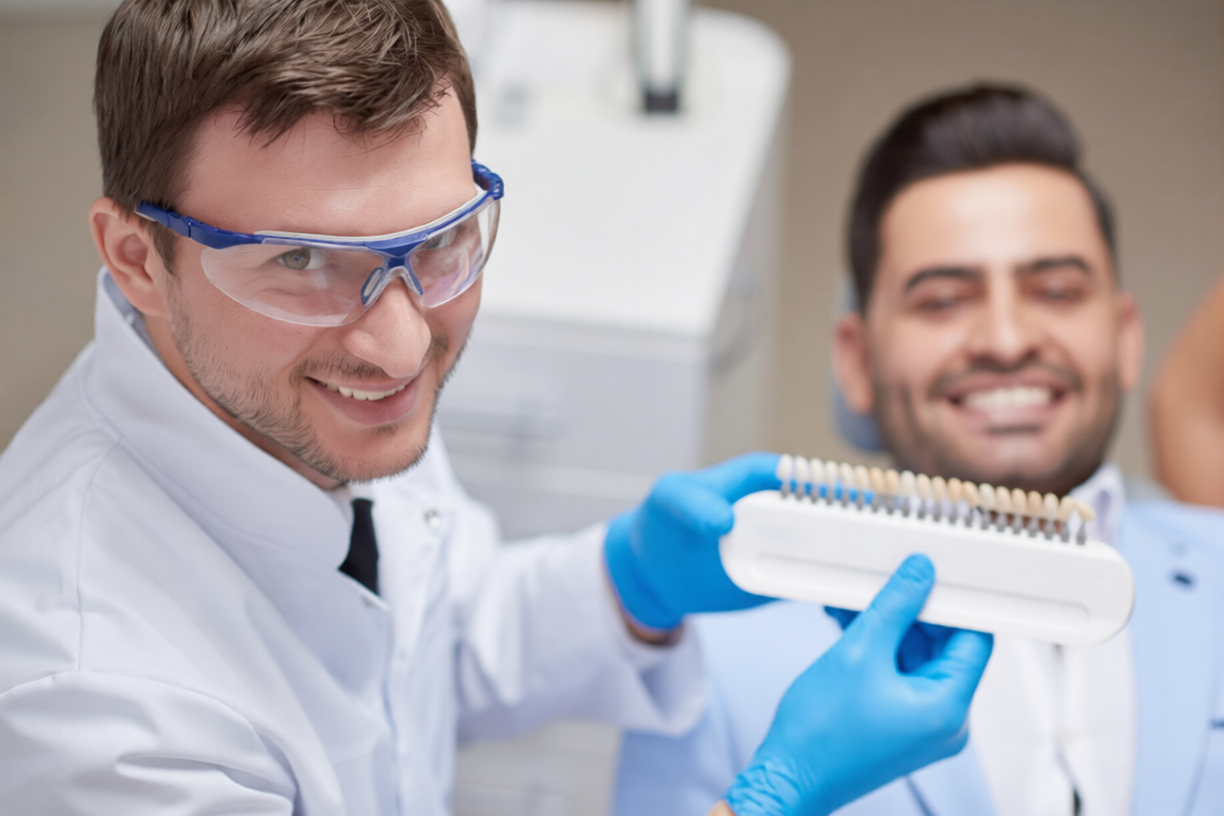
The shade selection process begins at this appointment. This involves matching your veneer colour to your natural teeth using shade guides under different lighting conditions.
Tooth Preparation (First Appointment)
Once you’ve decided to proceed, your first treatment appointment involves preparing the tooth. Local anaesthetic is typically used for your comfort during this procedure, as it involves working on the tooth surface and near the gum line. Your dentist will carefully remove a thin layer of enamel from the front of your tooth to create the space needed for your veneer. The tooth is then precisely shaped to receive the veneer properly.
An impression of your prepared tooth is taken—this might be a traditional impression using dental putty or a digital scan, depending on your dentist’s technology. This impression captures the exact dimensions and position of your tooth, so the laboratory can fabricate a veneer that fits precisely. A temporary veneer may be placed on your tooth to protect it and maintain its appearance while your new veneer is being created. The impression is then sent to a dental laboratory, where skilled technicians will craft your custom veneer according to your dentist’s specifications.
Veneer Placement (Second Appointment)
Once your custom veneer is ready, typically within two to three weeks, you’ll return for the placement appointment. If a temporary veneer was placed, it’s removed first. Your dentist will then try the new veneer on your tooth to check the fit, shape, and colour. This trial fitting is important because adjustments can be made at this stage if needed. The veneer can be trimmed or refined, and the shade can be adjusted slightly using different shades of bonding cement.
When you and your dentist are satisfied with how the veneer looks and fits, the tooth surface is prepared for bonding. This involves cleaning and slightly roughening the surface to help the veneer adhere properly. The veneer is carefully bonded to your tooth using a special dental cement selected to complement the veneer shade.
Once properly positioned, any excess cement is removed, and your bite is checked to ensure the veneer doesn’t interfere with how your teeth come together when you close your mouth. Final polishing completes the process, and you leave with your newly enhanced smile.
Timeline
The total process typically takes two to three appointments spread over two to three weeks, though this can vary based on individual circumstances. The time required for custom fabrication in the laboratory is necessary to achieve the quality and precision that helps your single porcelain veneer look natural and functional. Some clinics may offer same-day veneers using in-house milling technology, though this option isn’t universally available and depends on the specific case. Your dentist can discuss the timeline that applies to your situation during your consultation.
Alternative Treatments for Single Tooth Concerns
Whilst a veneer may be appropriate for many single-tooth cosmetic concerns, it’s not the only option available. Understanding alternative treatments can help you choose the option that’s most suitable for your situation, budget, and goals.
- Dental Bonding:
Dental bonding involves applying tooth-coloured composite resin directly to your tooth, which is then shaped and polished to improve its appearance. This approach is less invasive than veneers because it typically requires minimal or no removal of tooth enamel. The entire procedure can often be completed in a single appointment, making it a convenient option for many patients. Bonding is generally more cost-effective than porcelain veneers and can be an effective way to address minor chips, small gaps, or mild discolouration.
However, composite resin may not last as long as porcelain and typically requires touch-ups or replacement every five to seven years. The material is also more susceptible to staining over time compared to porcelain. For minor cosmetic concerns that don’t require the longevity or aesthetics of porcelain, bonding can be a good alternative worth discussing with your dentist. - Dental Crowns:
When a tooth has sustained significant damage, has a large existing filling, or is structurally weakened, a crown may be more appropriate than a veneer. Crowns cover the entire tooth, not just the front surface, providing both cosmetic improvement and structural support. This makes them suitable for teeth that need reinforcement rather than just aesthetic enhancement.
Crowns do require more extensive tooth preparation than veneers, as more of the original tooth structure must be removed to accommodate the crown. They’re generally recommended when a tooth has substantial decay, has undergone root canal treatment, or has a large filling that leaves limited healthy tooth structure. If your tooth concern is primarily structural rather than purely cosmetic, your dentist may suggest a crown as a more comprehensive option. - Teeth Whitening:
If discolouration is your primary concern, professional teeth whitening may be worth considering before committing to a veneer. Whitening can be effective for extrinsic stains (surface stains from coffee, tea, wine, or tobacco) and some types of age-related yellowing. Professional whitening treatments administered by your dentist are considerably stronger than over-the-counter options and may provide noticeable improvement.
However, whitening is not suitable for all types of discolouration. It doesn’t work well on intrinsic staining (discolouration from within the tooth), grey-toned discolouration, or teeth darkened by medication or trauma. If your tooth is discoloured due to a root canal or a similar internal cause, whitening alone is unlikely to effectively address the issue. Your dentist can assess whether your discolouration type might respond to whitening treatment or whether a veneer would be more appropriate. - Orthodontic Treatment:
If your primary concern is tooth position or alignment rather than colour or shape, orthodontic treatment may be a more appropriate long-term option. Traditional braces, clear aligners, or limited orthodontic treatment can physically move teeth into improved alignment. This approach addresses the underlying cause of misalignment rather than masking it cosmetically.
Orthodontic treatment typically takes longer than cosmetic options, often several months to a few years, depending on the complexity of tooth movement needed. However, it can address not only aesthetic concerns but also functional issues, such as bite problems or crowding. If your single-tooth concern involves position or rotation, an orthodontic consultation may be worth considering alongside cosmetic options.
Each of these alternatives has different benefits, limitations, and applications. The most appropriate treatment for your situation depends on several factors. These include the nature and severity of your tooth concern, your overall oral health, your timeline, your budget, and your long-term goals.
Your dentist can assess your individual circumstances and help you understand which option is most suitable for your specific concern. Sometimes a combination approach, such as orthodontic treatment followed by a veneer, or whitening before placing a veneer, provides the most comprehensive result.
Understanding the Cost of a Single Tooth Veneer
Cost is a common and understandable consideration when exploring cosmetic dental treatment. Whilst we can’t provide specific pricing, understanding the factors that influence individual tooth veneer cost can help you approach your consultation with realistic expectations. Several factors affect how much you might invest in a single tooth veneer:
- Type of veneer material:
Composite veneers are generally more cost-effective than porcelain veneers, though porcelain typically offers greater longevity and aesthetic properties. - Complexity of case:
A straightforward case may cost less than one that requires more extensive preparation or multiple adjustments. - Geographic location:
Cost of living and operating expenses vary by region. - Dentist’s skills and experience:
Dentists with the latest training in cosmetic dentistry may charge differently from general practitioners. - Laboratory fees:
Custom fabrication of a single porcelain veneer is typically built into the overall treatment cost.
Costs vary depending on individual circumstances, and the only way to receive accurate pricing is through a personalised consultation.
How to Care for a Single Tooth Veneer
Once you’ve invested in a veneer, proper care can help maintain its appearance and extend its longevity. Caring for a veneer is very similar to caring for your natural teeth, with a few additional considerations.
- Daily oral hygiene requires brushing twice daily with a soft-bristle toothbrush and flossing daily around the veneer. Use non-abrasive toothpaste to avoid potentially dulling the polished surface over time.
- Habits to avoid include biting your nails, chewing on hard objects like ice or pens, and using your teeth to open packages. These habits can damage both veneers and natural teeth.
- Regular dental visits allow your dentist to monitor the condition of your veneer and detect any issues early. Professional cleaning helps maintain the appearance of both your veneer and natural teeth.
- Protective measures can help preserve both your veneers and natural teeth. These include a mouthguard for contact sports or a night guard if you grind your teeth. Proper care can help extend the longevity of veneers, though individual results vary.
Maintaining Veneer Quality as You Age
Once you’ve invested in a veneer, proper care can help maintain its appearance and extend its longevity. Caring for a veneer is very similar to caring for your natural teeth, with a few additional considerations.
- Daily oral hygiene requires brushing twice daily with a soft-bristle toothbrush and flossing daily around the veneer. Use non-abrasive toothpaste to avoid potentially dulling the polished surface over time.
- Habits to avoid include biting your nails, chewing on hard objects like ice or pens, and using your teeth to open packages. These habits can damage both veneers and natural teeth.
- Regular dental visits allow your dentist to monitor the condition of your veneer and detect any issues early. Professional cleaning helps maintain the appearance of both your veneer and natural teeth.
- Protective measures can help preserve both your veneers and natural teeth. These include a mouthguard for contact sports or a night guard if you grind your teeth. Proper care can help extend the longevity of veneers, though individual results vary.
Are You a Candidate for a Single Tooth Veneer?
Understanding whether you might be a suitable candidate for a one tooth veneer can help you approach your consultation with realistic expectations. Whilst only a qualified dentist can make this determination after examining you, certain factors generally favour successful outcomes.
Good Candidates Generally:
Patients who are good candidates for single tooth veneers have good overall oral health. This means your teeth and gums are generally healthy, without active decay or gum disease that would need to be addressed first. You have sufficient healthy tooth enamel on the tooth in question to proceed with the preparation. Veneers require bonding to enamel for optimal longevity, so adequate enamel is important.
Realistic expectations about outcomes also characterise good candidates. Understanding that a veneer can improve the appearance of one tooth but won’t dramatically enhance your entire smile helps set appropriate expectations. You’re committed to maintaining good oral hygiene habits through regular brushing, flossing, and dental visits.
Your surrounding teeth are in reasonably good condition, so placing a single veneer next to severely decayed or damaged teeth may not achieve the aesthetic harmony you’re seeking. You don’t have severe bite misalignment or jaw issues that could place excessive stress on a veneer, potentially causing premature failure.
Factors That May Affect Candidacy:
- Severe tooth decay or gum disease must be addressed first before veneer treatment.
- Insufficient tooth structure may make a crown more appropriate than a veneer.
- Severe grinding or clenching may require wearing a night guard to protect the veneer.
- Significant bite alignment problems may need to be addressed before cosmetic work.
- Unrealistic expectations may need to be addressed through an honest conversation with your dentist.
Importance of Professional Consultation:
Only a qualified dentist can determine whether you’re a suitable candidate for a single tooth veneer after examining your individual situation. During your consultation, your dentist will conduct a thorough examination, discuss your goals and expectations, and create a personalised treatment plan. This is your opportunity to ask questions and address any concerns before committing to treatment.
If you’re considering a single tooth veneer, the next step is to schedule a consultation with an experienced cosmetic dentist. Come prepared with questions about the process, costs, timeline, and expected results. Be open about your goals and what you’re hoping to achieve. This honest dialogue helps your dentist recommend the most appropriate treatment for your situation. Review treatment options together, including alternatives that might also address your concern.
For readers in the North Perth area, Enso Dental welcomes consultations to discuss whether a single tooth veneer or alternative treatment may be suitable for your circumstances.
Final Thoughts
Yes, getting a veneer on just one tooth is indeed possible. It can be an effective option when one tooth presents a cosmetic concern, whilst the surrounding teeth remain healthy and aesthetically pleasing. This targeted approach offers several potential benefits, including conservative treatment that addresses only the areas that need attention, leaving your other natural teeth untouched.
As we’ve discussed, several important considerations come into play when contemplating a one-tooth veneer. Colour matching with your natural teeth requires skill and attention to detail to achieve seamless integration. Tooth preparation involves removing a thin layer of enamel, making this decision one to consider carefully. Maintenance requires the same good oral hygiene habits you should already be practising, along with avoiding habits that could damage your veneer or natural teeth.
Choosing an experienced dentist skilled in cosmetic dentistry can make a significant difference in your results. The artistry involved in creating a natural-looking single tooth veneer that blends seamlessly with your existing teeth requires both technical knowledge and aesthetic judgment. Treatment success depends on individual factors, including your oral health, tooth condition, bite alignment, and commitment to proper care afterwards.
We encourage you to schedule a consultation to discuss whether a single tooth veneer may be appropriate for your situation. This professional assessment is an essential step in determining the most suitable approach for addressing your dental concern. Don’t hesitate to ask questions about the process, expected results, timeline, costs, or alternatives during your consultation. Taking control of a dental concern that’s been bothering you can be empowering, and exploring your options is a positive step towards the smile you’re hoping to achieve.
Results vary based on individual circumstances, but with proper assessment and realistic expectations, addressing a single troublesome tooth may make a meaningful difference in how you feel about your smile.