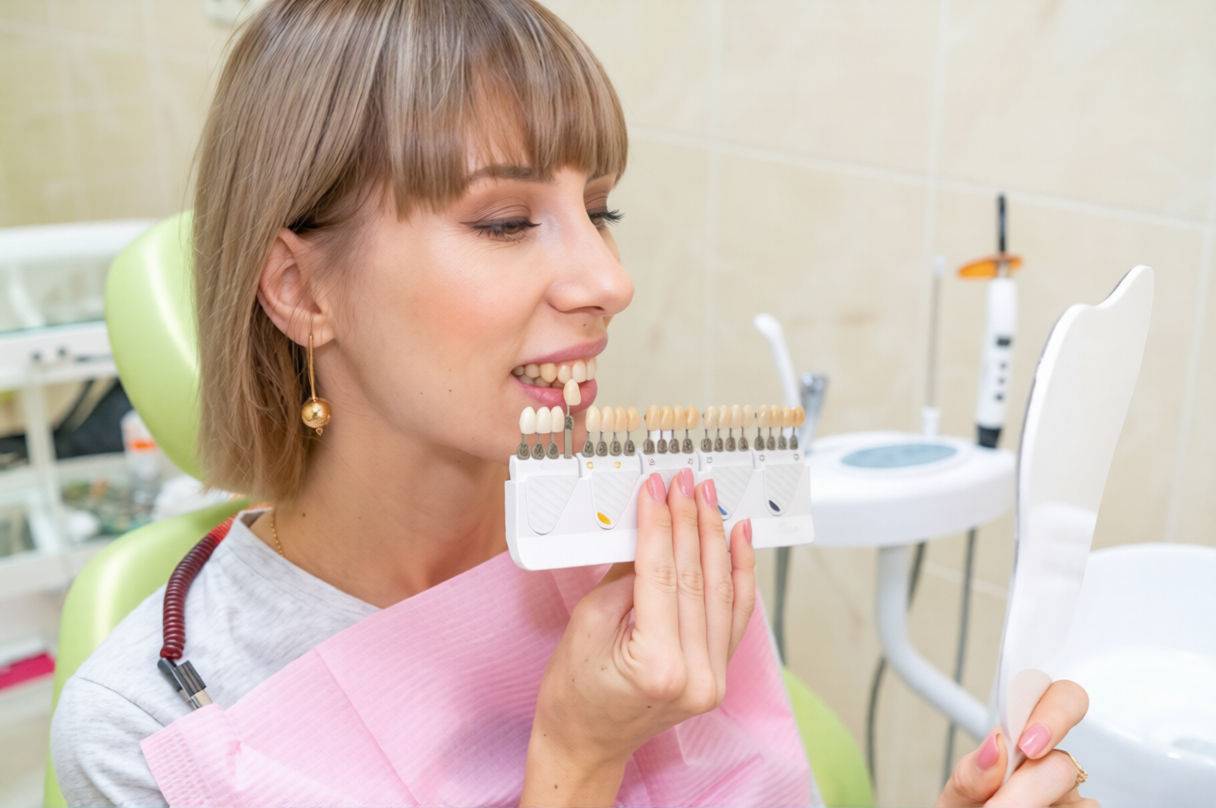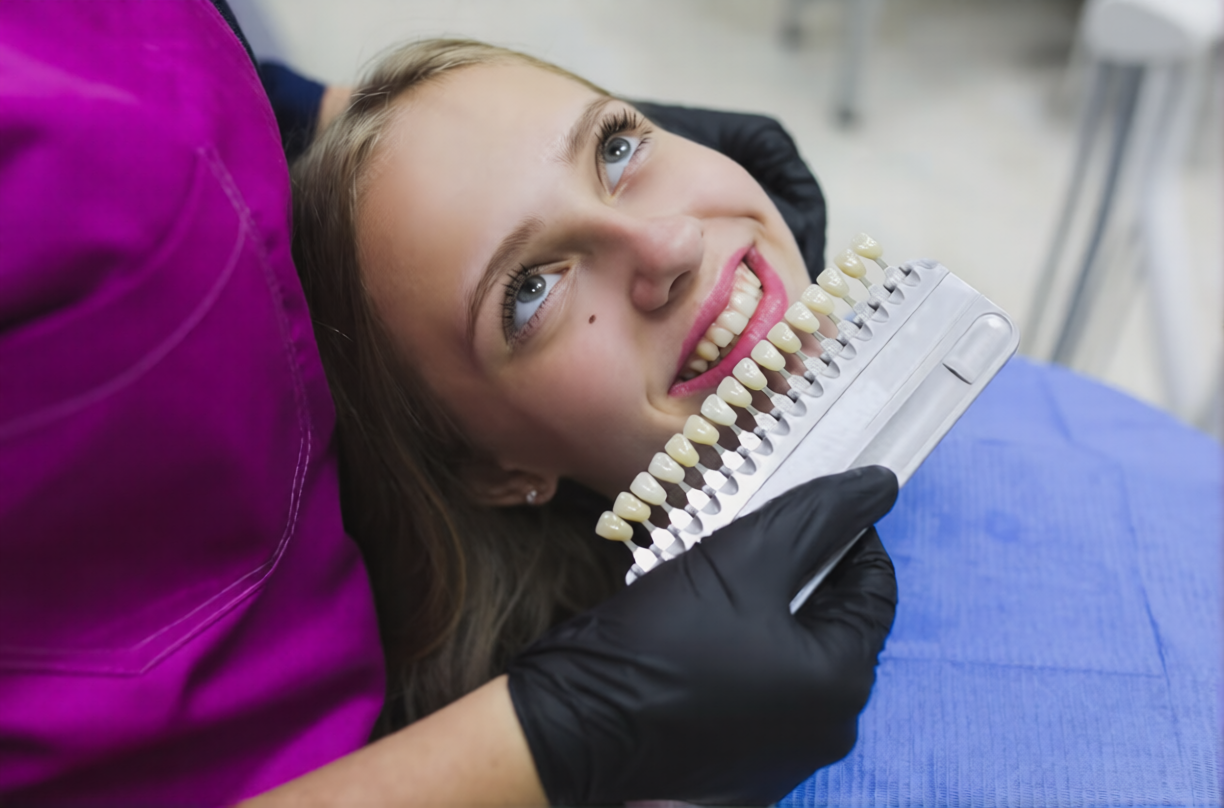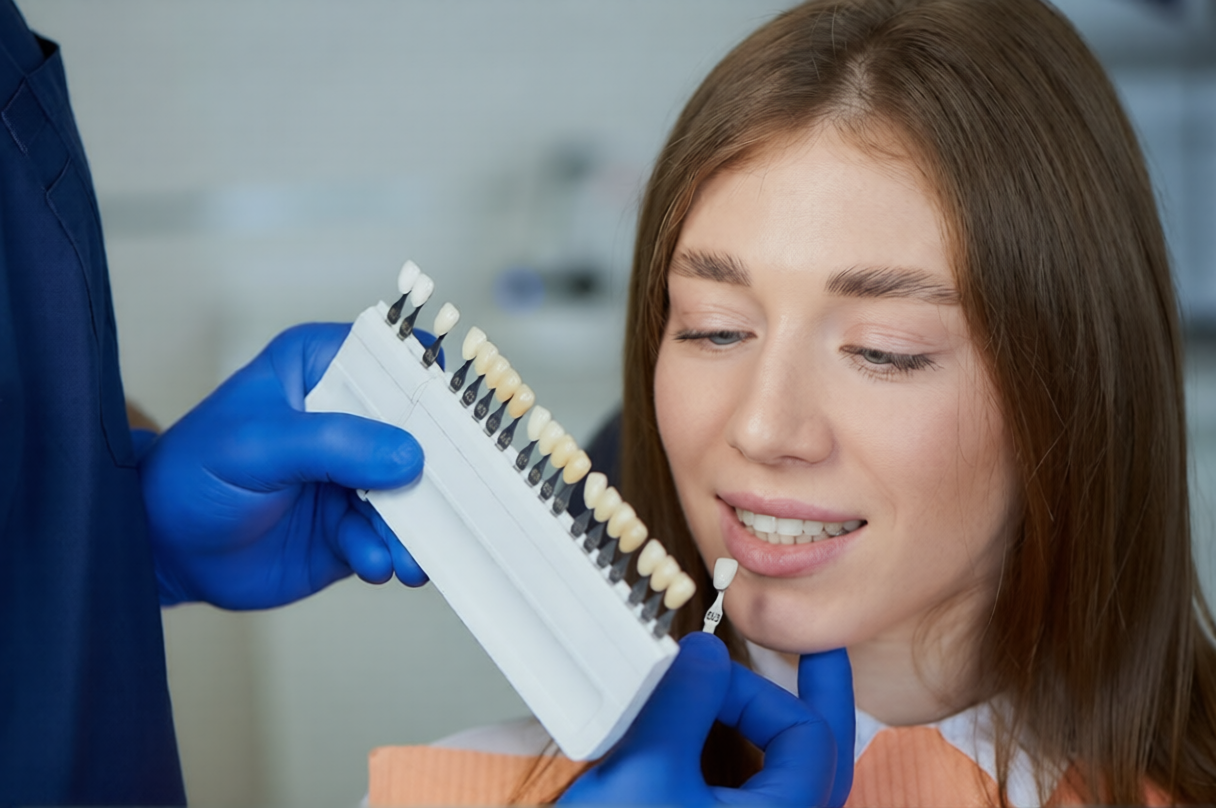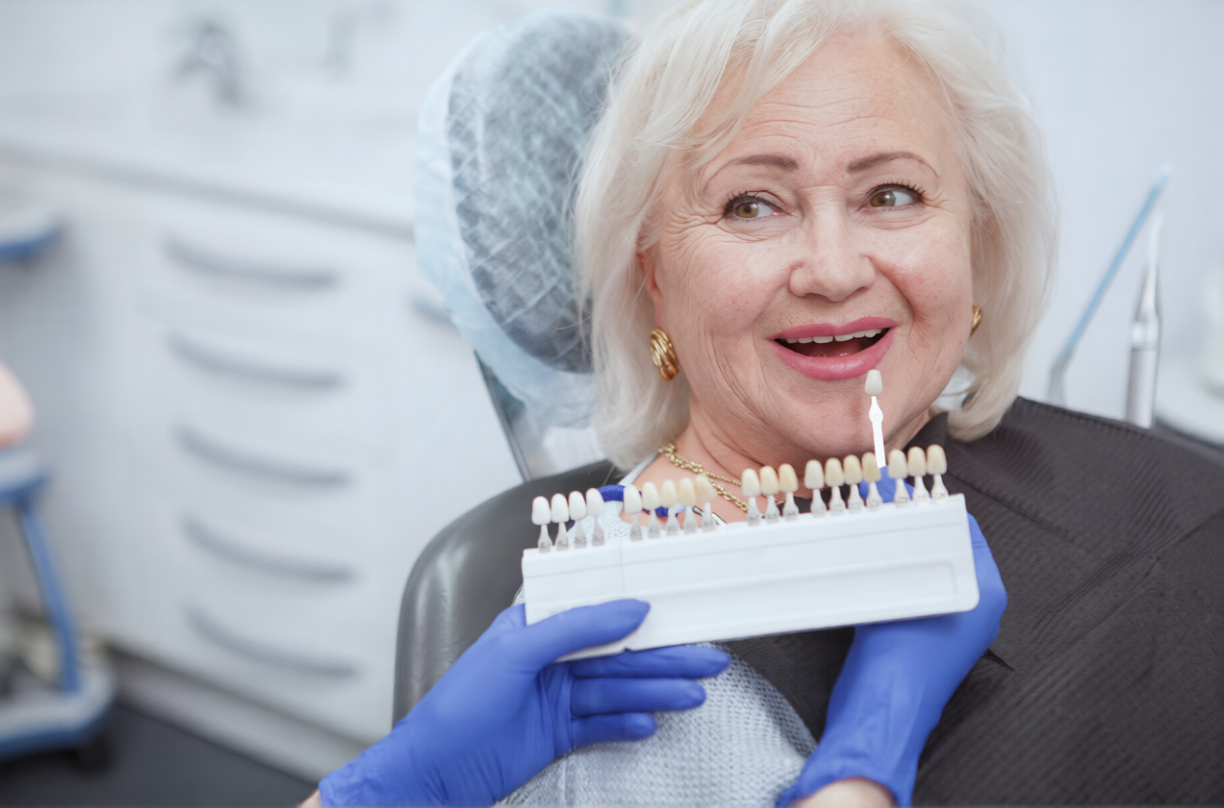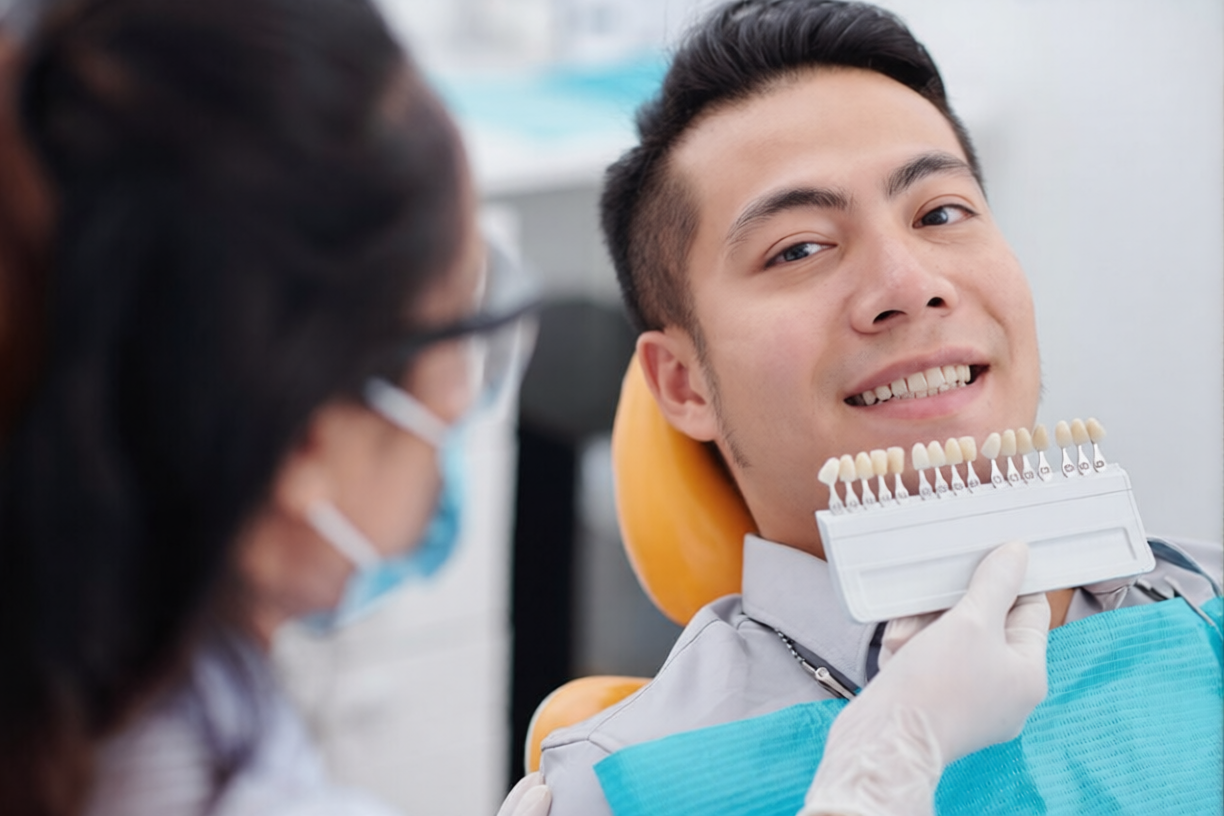


Age influences veneer suitability primarily through dental maturity, oral health status, and individual aesthetic goals rather than chronological age alone. While veneers and ageing intersect in various ways, there’s no single “ideal age” for treatment. Both younger adults with fully developed teeth and seniors with healthy gums can be candidates.
The key factors determining suitability include completed dental development, adequate tooth structure, gum health, and realistic expectations aligned with your stage of life.
Contents Navigation
- Summary of the Content:
- Understanding Dental Maturity and Veneer Candidacy
- Veneers for Younger Adults: Aesthetic Investment in Your 20s and 30s
- Veneers for Middle-Aged Adults: Addressing Wear and Smile Changes in Your 40s and 50s
- Veneers for Seniors: Considerations and Options in Your 60s and Beyond
- Age-Related Aesthetic Considerations and Outcomes
- Frequently Asked Questions About Veneers and Ageing
- Final Thoughts
Summary of the Content:

- Dental maturity matters more than chronological age when determining the recommended age for veneers, with full tooth development typically complete by age 17-21.
- Different age groups face distinct considerations. Younger adults invest in long-term aesthetics; middle-aged patients often address accumulated wear; and seniors may have unique gum health factors to consider.
- Veneers for young adults may support long-term aesthetic outcomes when oral health is maintained, when teeth are fully mature, and oral health supports candidacy.
- Veneers for seniors can address age-related tooth changes, with no upper age limit, provided oral health and tooth structure are adequate.
- Individual consultation determines suitability regardless of age, assessing dental maturity, existing dental work, gum health, and personal aesthetic goals.
Understanding Dental Maturity and Veneer Candidacy
Dental maturity refers to the completion of tooth development, including fully formed roots, a stable jaw structure, and final tooth positioning. This milestone matters for veneers because placing restorations on teeth that haven’t fully developed can lead to poor fit, bite complications, and premature failure. These concerns may require costly replacement.
According to Better Health Victoria, adult tooth development is complete by age 21, with full dental maturity—including wisdom teeth eruption—occurring between ages 17-21. However, individual development varies, so dental professionals assess readiness through a comprehensive clinical examination rather than relying solely on chronological age.
Placing veneers before full dental development may lead to several complications. Teeth may continue to shift as jaw growth completes, causing veneers to misalign with adjacent teeth or to create bite problems. Tooth proportions can change as development finishes, making veneers appear improperly sized or shaped. Young patients may not fully appreciate the irreversible nature of enamel removal, which represents a commitment to maintaining restorations throughout life.
Dentists assess veneer readiness by examining X-rays to confirm that tooth roots have fully formed and closed. They also evaluate jaw growth completion through facial proportion analysis and check bite stability over time. They review dental history for patterns of tooth movement and assess whether the enamel has adequately mineralised to support veneer bonding.
What Dental Professionals Assess
During a veneer consultation, dentists evaluate multiple indicators of dental maturity beyond patient age. X-rays reveal whether tooth roots have fully formed and closed, indicating completed development. Clinical examination assesses jaw growth completion by comparing facial proportions and assessing the stability of tooth position over time. Bite analysis determines whether the way the upper and lower teeth meet has stabilised.
Dentists also review the patient’s dental history, looking for patterns of shifting teeth or recent orthodontic work that might indicate ongoing changes. They assess enamel thickness and quality, as some younger patients may have thinner enamel that hasn’t fully mineralised. Gum tissue maturity and attachment levels are examined because gum contours can still change in late adolescence.
| Age Range | Dental Development Stage | Veneer Suitability |
| Under 16 | Active development; roots still forming; jaw growth ongoing | Generally not suitable due to incomplete development |
| 16-18 | Near completion; some individuals are still developing; wisdom teeth may be emerging | Rarely suitable; assessment needed; temporary bonding may be considered for trauma cases |
| 18-21 | Most individuals have completed development; wisdom teeth typically erupt or emerge | May be suitable for some individuals; thorough maturity assessment required |
| 21+ | Full dental maturity is typically achieved; stable jaw structure and tooth positioning | Generally suitable, provided oral health supports candidacy |
Veneers for Younger Adults: Aesthetic Investment in Your 20s and 30s
Common reasons younger adults pursue veneers include addressing minor imperfections that affect daily interactions and enhancing professional image in client-facing careers. They may also seek veneers to cover stubborn discolouration from tetracycline staining or fluorosis. Veneers can address slightly crooked teeth without braces, offering an alternative to lengthy orthodontic treatment.
Younger patients considering veneers may benefit from several advantages. Patients who receive veneers in early adulthood and maintain good oral health may benefit from the restorations across a longer portion of their adult life. Replacement will be required over time, and outcomes vary between individuals
Generally healthy gum tissue in younger patients supports a favourable candidacy assessment, as gum disease and recession are less common in this demographic. Recovery following veneer placement varies between individuals and is influenced by overall health, oral hygiene practices, and adherence to post-treatment care, rather than age alone.
However, important considerations require careful thought. Veneers represent an ongoing commitment extending throughout life, as enamel removal is irreversible and restorations require maintenance.
From a financial perspective, younger patients should view veneers as an investment over time. While initial placement represents a significant expense, the decades of potential aesthetic benefit may justify the cost for many individuals. However, planning for eventual replacement helps avoid future financial surprises.
Why Younger Adults Choose Veneers
Professional image considerations often motivate younger adults to address aesthetic dental concerns. Those in client-facing roles, public speaking positions, or industries where appearance influences career progression may view veneers as a worthwhile investment. Social media has also increased awareness of smile aesthetics, which some individuals consider when exploring dental options.
Minor dental flaws that cause self-consciousness, such as slightly crooked teeth, small chips, or stubborn discolouration, can be addressed with veneers. Some younger adults previously completed orthodontic work but experienced minor relapse afterwards. Others weren’t satisfied with their final tooth colour or shape following treatment. These individuals often explore veneers as a refinement option.
Longevity Considerations
Understanding the replacement timeline helps younger patients make informed choices about veneers. Factors affecting longevity include oral hygiene practices, whether the patient grinds their teeth, dietary habits, and how well the patient maintains regular dental visits. Younger patients should factor potential replacement costs into their decision-making process.
While initial placement represents a significant investment, planning for future replacements helps avoid financial surprises decades later. Some individuals may find that addressing underlying issues, such as completing orthodontic treatment or professional whitening, provides satisfactory results without the commitment that veneers require.
Lifestyle Factors to Consider
Active lifestyles common among younger adults require special consideration when planning veneer treatment. Contact sports participants need to understand that veneers can chip or fracture from facial impact, making protective mouthguards essential during athletic activities. The mouthguard should be custom-fitted after veneer placement to ensure proper protection without damaging the restorations.
Teeth grinding (bruxism) affects many younger adults, often related to stress or sleep disorders. Grinding places excessive force on veneers, potentially causing chips, cracks, or debonding. Patients who grind their teeth typically need to wear a protective night guard, which should be factored into the overall treatment plan and cost considerations.
Dietary habits also influence veneer longevity. Younger adults who frequently consume hard foods, chew ice, or bite non-food items (pen caps, fingernails) may experience higher failure rates. Understanding these lifestyle factors helps set realistic expectations about how long veneers may last before requiring replacement.
Veneers for Middle-Aged Adults: Addressing Wear and Smile Changes in Your 40s and 50s
Middle-aged adults often notice cumulative dental changes that develop over decades. Enamel wears down from chewing, acidic foods, and ageing, making teeth appear shorter or flatter. Deep discolouration develops from internal darkening and surface staining that professional whitening may not fully address.
Veneers appeal to this demographic for several reasons. They offer an option to address both wear and alignment changes without lengthy orthodontic treatment, which many adults find less appealing at this life stage. Veneers can simultaneously address multiple concerns—wear, discolouration, minor misalignment, and chips—in a relatively condensed treatment timeframe compared to combining multiple separate treatments.
However, middle-aged patients often face considerations that younger adults don’t. Existing dental work, such as crowns, bridges, or large fillings, may influence treatment planning, as veneers need to blend aesthetically with these restorations. Gum health assessment is important, with research showing that 50% of people aged 18-64 have one or more sites of gum recession, according to PubMed. This age-related change doesn’t automatically disqualify candidacy, but requires thorough evaluation to ensure adequate tooth structure remains for veneer bonding.
Age-Related Dental Changes
Normal ageing brings several dental changes during the 40s and 50s. As enamel wears from decades of use, biting surfaces flatten, and teeth may appear shorter. This thinning also makes dentine more visible, contributing to yellowing that deepens with age. Over the years, microscopic cracks may develop from temperature changes and chewing forces.
Gum recession exposes more tooth surface and sometimes reveals darker root areas near the gum line. Teeth may shift slightly over time, particularly if wisdom teeth were removed or if there’s been bone loss from gum disease. Previous dental work may show signs of age, with old fillings becoming discoloured or margins becoming visible as gums recede.
Veneers vs Orthodontic Retreatment
Orthodontic retreatment addresses the underlying tooth position, moving teeth into improved alignment over several months to a few years. This approach preserves natural tooth structure and can improve bite function, but requires time commitment and tolerance for wearing braces or clear aligners. After orthodontic treatment, teeth whitening or bonding can address colour and minor shape concerns.
Veneers offer faster visible results and simultaneously address colour, shape, and minor alignment issues. However, they involve removing some enamel and represent a long-term commitment to maintaining restorations. For individuals with severe misalignment or significant bite issues, orthodontic treatment may provide better long-term outcomes. whilst veneers work well for those with minor alignment concerns who prioritise treatment speed.
Existing Dental Work Considerations
Middle-aged patients frequently have crowns, bridges, or substantial fillings that require special consideration when planning veneers. Veneers must be colour-matched to blend with existing dental work, which can be challenging since dental materials don’t respond to whitening as natural teeth do. In some cases, existing dental work may need to be replaced to achieve uniform aesthetics across the smile.
The structural integrity of teeth with large fillings warrants assessment, as those with significant prior dental work may be better candidates for crowns than for veneers. Teeth that have had root canal treatment need evaluation to provide adequate strength for veneer support. Bite relationships with existing dental work must be analysed so that veneers won’t create problematic contacts that could lead to chipping or excessive wear.
Veneers for Seniors: Considerations and Options in Your 60s and Beyond
Seniors can be suitable candidates for veneers provided they maintain good oral health and possess sufficient tooth structure. Chronological age alone does not determine veneer candidacy. Suitability is assessed on the basis of individual oral health, gum condition, and tooth structure — not age. This makes veneers for seniors a viable option for many individuals.
Key suitability factors include healthy gums without active disease, adequate bone support for long-term tooth stability, and sufficient enamel and dentine for veneer bonding. Many seniors maintain good oral health throughout their lives and present as suitable candidates when these conditions are met.
Veneers can address common age-related dental concerns, including deep discolouration that professional whitening may not fully improve. They can cover worn enamel from years of use, making teeth appear shorter. Veneers also address chipped or cracked teeth from normal wear. These restorations address common age-related dental concerns, which some patients find beneficial for their dental aesthetics and comfort.
However, age-related challenges require consideration. Research shows that 88% of people aged 65 and over have one or more sites with gum recession, according to PubMed studies. The presence and extent of recession increase with age. This doesn’t automatically disqualify candidacy but requires a thorough evaluation.
Dry mouth from medications or age-related changes can increase the risk of cavities around veneer margins. Existing dental work from decades of care may need to be coordinated with treatment planning. Approximately 16-17% of Australians are aged 65 and over, according to the Australian Institute of Health and Welfare. This represents a significant demographic who may benefit from cosmetic dentistry when oral health supports candidacy.
Alternatives may work better in certain situations. Severe decay or compromised tooth structure often requires crowns for comprehensive covering. Missing teeth typically need bridges or implants before adjacent teeth receive veneers. A dental assessment determines the most appropriate treatment approach for individual circumstances.
Suitability Factors for Older Adults
Tooth structure evaluation determines whether sufficient enamel and dentine remain for veneer bonding. Teeth that have experienced significant wear, have large fillings, or have undergone root canal treatment require individual assessment to determine whether they can support veneers. Some teeth may be better candidates for crowns if the structure is compromised.
Individual results may vary. The suitability of dental veneers depends on many factors, including your individual circumstances, oral health condition, dental maturity, and aesthetic goals.
Common Age-Related Dental Concerns
Several dental changes commonly develop during senior years, many of which veneers can address when oral health supports treatment. Accumulated staining from decades of coffee, tea, or tobacco use may create discolouration that penetrates deep into tooth structure, beyond what whitening can fully improve. Veneers can cover this deep staining, providing a brighter appearance.
Enamel wear from years of use gradually shortens teeth and creates flatter biting surfaces. This wear can make smiles appear aged or cause teeth to look less prominent. Veneers can restore lost tooth length and can address changes in tooth length and proportion, subject to individual assessment.
Root surface exposure from gum recession can create aesthetic concerns, particularly on front teeth. Exposed roots appear darker yellow-brown compared to the whiter crown portion of teeth. Whilst veneers typically cover the crown portion, exposed roots may require additional treatment, such as gum grafting or composite bonding, to achieve complete aesthetic improvement.
When Alternatives May Be More Appropriate
Certain situations may indicate that alternatives to veneers would better serve senior patients. Teeth with severe decay or large portions of missing structure often require crowns rather than veneers, as crowns provide more comprehensive cover and structural support. Missing teeth typically need replacement with bridges or implants before adjacent teeth receive veneers to provide proper bite support and aesthetics.
Advanced gum disease requires treatment and stabilisation before cosmetic dentistry proceeds. Placing veneers whilst gum disease remains active can lead to continued recession and veneer failure. Severe grinding or clenching that hasn’t been managed with protective night guards may lead to rapid veneer wear or failure. This makes other treatments more practical until the grinding is controlled.
Significant bite problems or jaw joint disorders often require orthodontic treatment or bite adjustment before veneers can be placed successfully. Addressing these foundational issues first helps veneers function properly and last as long as possible.
Age-Related Aesthetic Considerations and Outcomes
Age influences aesthetic results through natural changes in tooth colour, gum position, lip dynamics, and facial structure. These factors affect shade selection, veneer design, and margin placement. Dentists take age-related considerations into account when planning treatment to achieve results that complement individual facial features and aesthetic goals.
Natural tooth colour darkens and becomes more yellow with age as dentine thickens and enamel thins. This natural progression means that extremely bright white veneers may appear less natural on older patients compared to younger individuals. Selecting an appropriate shade involves balancing the desire for brightness with age-appropriate aesthetics that suit facial features and skin tone.
Gum recession becomes more prevalent with advancing age. As noted earlier, 88% of people aged 65 and over have one or more sites with recession, according to PubMed research. This recession can potentially expose veneer margins over time, though careful margin placement and gum health maintenance help minimise this concern.
Lip position changes as facial muscles relax with age. Many older adults develop a lower smile line, revealing less of the upper teeth when smiling. This natural change can actually conceal veneer margins that might otherwise be visible, offering an aesthetic advantage in some cases.
Facial structure changes, including thinner lips, deeper facial lines, and altered proportions, influence smile design decisions. Dentists consider these factors when selecting the shape and length of veneers to create harmonious results that complement mature facial features rather than appear incongruous.
How Gum Changes Affect Veneer Appearance
When gums recede after veneers have been placed, the veneer margin may become exposed, creating a visible line where the veneer meets the natural tooth. This margin exposure doesn’t necessarily indicate veneer failure or require immediate replacement. The visibility depends on how much recession occurs, where the margins were originally placed, and how much tooth shows during smiling.
Selecting Age-Appropriate Shade and Shape
Younger patients often prefer brighter, whiter shades that create a bold aesthetic statement. These shades can appear natural on younger faces with lighter skin tones and minimal natural tooth discolouration. Older patients frequently prefer natural-looking shades that blend harmoniously with their complexion and remaining natural teeth. These may be warmer and slightly less bright than those chosen by younger patients.
Tooth shape selection also varies by age and aesthetic goals. Younger patients may choose shapes with more pronounced character, such as squarer edges or more defined angles. Older patients often prefer softer, more rounded shapes that appear naturally worn, avoiding overly sharp edges that can look artificial.
Custom design accommodates individual facial features at any age. Dentists consider face shape, lip line, smile width, tooth proportions relative to facial size, and personal aesthetic preferences.
Any surgical or invasive procedure carries risks. Before proceeding, you should seek a second opinion from an appropriately qualified health practitioner.
Frequently Asked Questions About Veneers and Ageing
Understanding how veneers and ageing intersect helps individuals make informed choices about whether and when to pursue treatment. These common questions address age-related considerations that arise during consultation.
What is the recommended age to get veneers?
There’s no single “ideal age” for veneers—dental maturity and oral health matter more than numerical age when determining candidacy. Suitability depends primarily on fully developed teeth, good oral health, and realistic aesthetic goals. Dental maturity typically occurs by age 17-21 when development is complete, according to Better Health Victoria.
Younger patients need mature dental structures, stable tooth positioning, and completed jaw growth. Older patients require healthy gums, adequate bone support, and sufficient tooth structure for veneer bonding. Individual circumstances vary, making a comprehensive evaluation necessary to determine readiness. A consultation with a qualified dental professional assesses your specific developmental status, oral health condition, and aesthetic objectives to determine appropriate timing for your situation.
Can teenagers get veneers?
Veneers are generally not recommended for teenagers whose teeth and jaws are still developing, as placing restorations before maturity can lead to complications. Most dental professionals suggest waiting until dental maturity is achieved, typically by age 17-21, according to Better Health Victoria guidelines. This allows for full tooth root formation, completed jaw growth, and stable tooth positioning.
Exceptions may exist in cases of dental trauma or congenital tooth abnormalities. Temporary options, such as composite bonding, might be considered first to address functional or aesthetic concerns whilst preserving and developing tooth structure. The enamel removal required for traditional veneers is irreversible and represents a long-term commitment that requires mature understanding and decision-making capacity.
A thorough assessment determines individual circumstances and whether any interim options might be appropriate whilst waiting for full dental maturity.
Are veneers suitable for seniors?
Seniors can be suitable candidates for veneers provided they have good oral health, healthy gum tissue, and sufficient tooth structure to support restorations. No age limit exists for veneer treatment. Factors determining candidacy include stable gums, adequate bone support, and teeth with adequate structural condition, rather than chronological age.
Research shows that 88% of people aged 65 and over have one or more sites of gum recession, according to PubMed studies. This common age-related change doesn’t automatically disqualify candidacy but requires a thorough evaluation. Veneers can effectively address age-related concerns, including deep discolouration, worn enamel, chipped teeth, and uneven tooth appearance that develop over decades.
A comprehensive dental examination assesses your oral health status and evaluates age-related factors that may affect treatment. This determines whether veneers are an appropriate option for your specific situation and aesthetic goals.
How does age affect how many years veneers last?
Veneers typically last 10-15 years regardless of patient age. Research from the National Library of Medicine shows that 95% remain functional after 10 years. Approximately 85% survive at the 15-year mark. Oral hygiene practices, lifestyle habits such as teeth grinding, and regular dental care maintenance affect the veneer lifespan more than age alone.
Younger patients who receive veneers may need replacement once or twice as the restorations reach the end of their functional lifespan. Older patients may find that veneers last their remaining years without requiring replacement.
Individual factors play a larger role in determining longevity than age does. These factors include bite force, dietary habits, use of a protective night guard, and regular professional cleanings. Care habits, ongoing oral health status, and adherence to maintenance recommendations matter more than the age at which veneers are initially placed.
Do veneers look different on younger vs older patients?
Veneers are customised to each patient’s facial features, natural tooth colour, skin tone, and aesthetic goals, regardless of age. This allows natural-looking results at any life stage. Younger patients may choose brighter, whiter shades that create a bold aesthetic statement and align with current trends. Older patients often prefer natural-looking tones that complement their complexion and blend with remaining natural teeth.
Facial structure, lip position during smiling, natural gum line contours, and tooth proportions relative to facial features all guide design decisions during treatment planning. Modern dental materials and digital design technology create natural results at any age by accounting for individual characteristics and personal preferences. The customisation process considers how much tooth shows when smiling and the relationship between tooth colour and skin tone.
Dentists also evaluate whether a dramatic or subtle change is desired. The design accounts for how veneers will integrate with the remaining natural teeth. Personal aesthetic preferences and the dentist’s clinical assessment determine the final appearance rather than age alone.
What dental health factors affect veneer candidacy at different ages?
Key factors include dental maturity in younger patients, gum health assessment at all ages, and evaluation of tooth structure integrity, particularly in older patients. Younger individuals need fully developed teeth with complete root formation and jaw growth, typically achieved by ages 17-21, according to Better Health Victoria. This is combined with stable bite relationships that won’t shift as development completes.
Middle-aged patients require assessment of existing dental work, evaluation of any gum recession, and examination of age-related tooth wear patterns. Research from PubMed shows that gum recession affects 50% of people aged 18-64. Seniors need an evaluation of gum recession, bone support adequacy, and the condition of remaining tooth structure after decades of wear and prior dental treatment.
Underlying issues, including active decay, gum disease, or bite problems, must be addressed before cosmetic treatment proceeds, regardless of age. A comprehensive examination identifies age-specific considerations, evaluates overall oral health status, and determines whether any preparatory treatment is needed before veneers can be placed successfully.
Can veneers address age-related tooth wear?
Veneers can effectively cover teeth showing age-related wear, accumulated discolouration, and minor damage that develops over decades of normal use. Years of chewing, grinding, dietary acids, and natural ageing processes gradually wear down enamel. This causes teeth to appear shorter, develop flatter biting surfaces, or become more translucent at the edges where enamel has thinned.
Veneers restore lost tooth length and recreate natural contours whilst simultaneously covering deep staining that professional whitening treatments may not fully address. They can rebuild worn edges and create more improved dental aesthetics, where individual circumstances support treatment. However, assessment determines whether the extent and pattern of wear is appropriate for veneers or whether crowns would provide better structural support and longevity.
Should I wait until I’m older to get veneers?
If teeth are fully mature and oral health supports candidacy, timing is ultimately a personal decision made in consultation with your dentist. There is no universally proper age; individual circumstances, oral health status, and personal goals all guide the decision.
Delaying treatment doesn’t improve candidacy unless specific conditions apply. Time can be beneficial for addressing oral health issues, completing orthodontic treatment, or achieving full dental maturity if you’re still developing. Younger placement does mean potential replacement once or twice veneers reach their functional lifespan, whilst later placement may last your remaining years without requiring replacement.
The decision should be based on several factors. These include whether your teeth are fully developed and whether your oral health currently supports treatment. You should also consider whether you understand the long-term maintenance commitment. Finally, assess whether your aesthetic goals and personal circumstances make this the right time.
Readiness depends on dental maturity, oral health status, and personal goals rather than waiting for an arbitrary age milestone.
Final Thoughts
Age influences veneer candidacy through dental maturity, oral health status, and aesthetic considerations, but it doesn’t dictate who can or cannot receive treatment. Dental maturity, gum health, tooth structure integrity, and individual aesthetic goals matter far more than chronological age when determining suitability.
Both younger adults with fully developed teeth and seniors maintaining good oral health may be suitable candidates, subject to individual clinical assessment. Understanding age-specific considerations—whether you’re investing in aesthetic enjoyment in your twenties or refreshing your smile in your sixties—helps provide realistic expectations and satisfactory outcomes.
Questions about how age affects your veneer candidacy are answered through a clinical assessment. Contact Dr. Ryan Moldrich (General Dental Practitioner, DEN0001858998) to evaluate your dental maturity, oral health, and individual circumstances. Any decision to proceed would follow a thorough evaluation and informed discussion of the risks and benefits.
The information provided in this article is for general educational and informational purposes only. It is not intended to be, and should not be relied upon as, a substitute for professional dental advice, diagnosis, or treatment. Always seek the advice of a qualified dental professional with any questions you may have regarding a dental condition or treatment.
Author:
Dr. Ryan Moldrich, General Dental Practitioner
DEN0001858998
Enso Dental North Perth